Every card currently banned or restricted in Standard, from the official Wizards Banned & Restricted list (as of August 10, 2026). Click a card to flip it and see when it was banned and why. Restricted means a deck may run at most one copy across maindeck and sideboard.
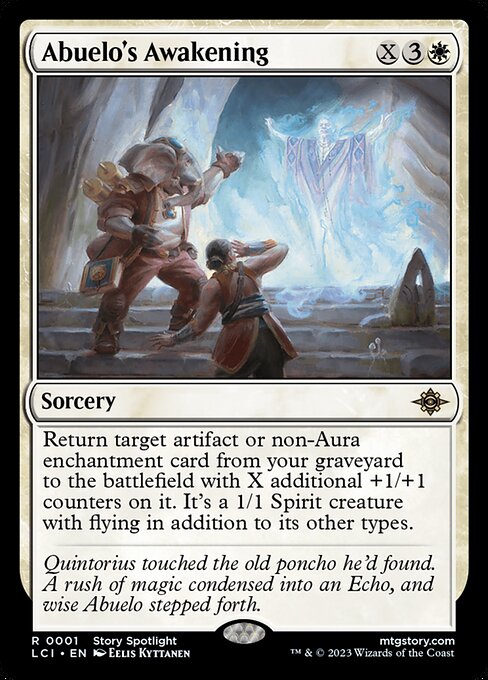
Banned as the key enabler of the Azorius Omniscience combo deck. Wizards said the deck proved too powerful and consistent at cheaply reanimating Omniscience despite design attempts to limit it.
Announcement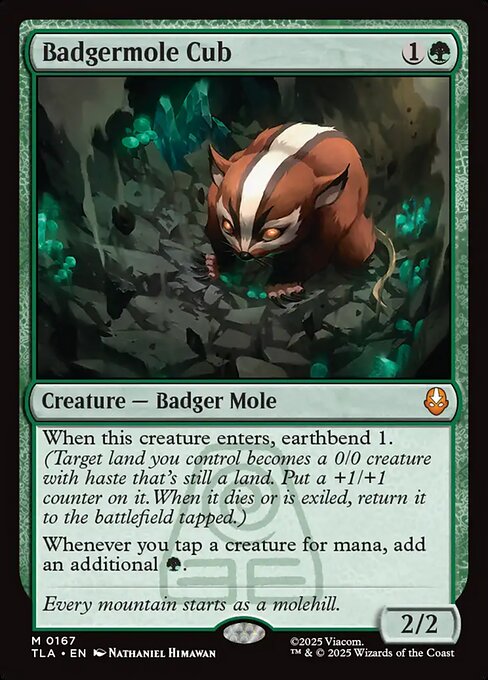
Banned as the clear choice from the Selesnya Offense deck - a cheap threat that demands an immediate answer while letting its controller develop an insurmountable mana advantage. Wizards called it extremely powerful and format-defining ever since release, and said Standard would be more fun with more breathing room without it.
Announcement
Banned for being too strong for Standard and making Izzet Prowess the format's dominant deck. Its cheap, recurring token generation made it challenging to interact with profitably.
Announcement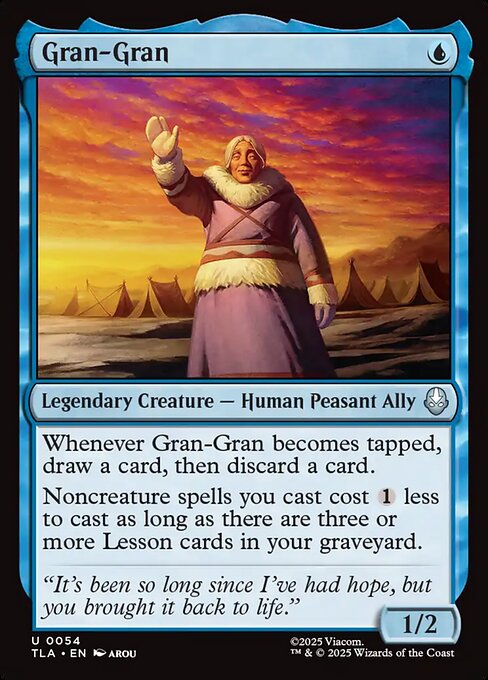
Banned as a powerful mana engine for Jeskai Lessons decks. Like Stormchaser's Talent, Wizards called it an inappropriately threatening one-mana card that provides too much late-game advantage for a card that costs one mana.
Announcement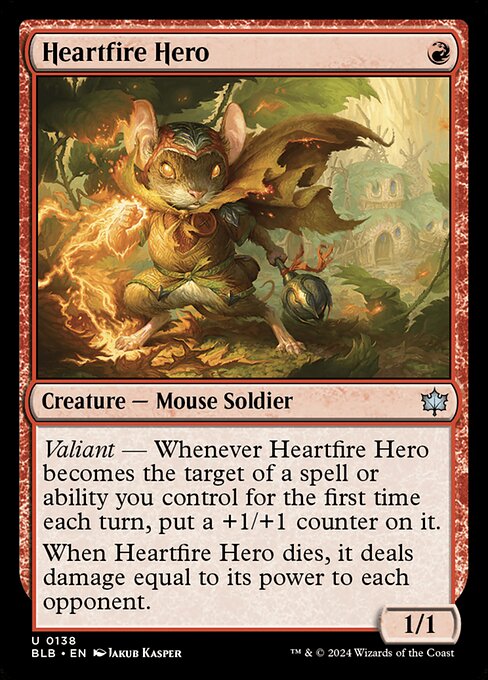
Banned for giving red aggressive decks explosive early pressure along with significant resiliency to many kinds of removal. It forced non-aggressive decks to lean on early interaction or sweepers like Temporary Lockdown just to survive.
Announcement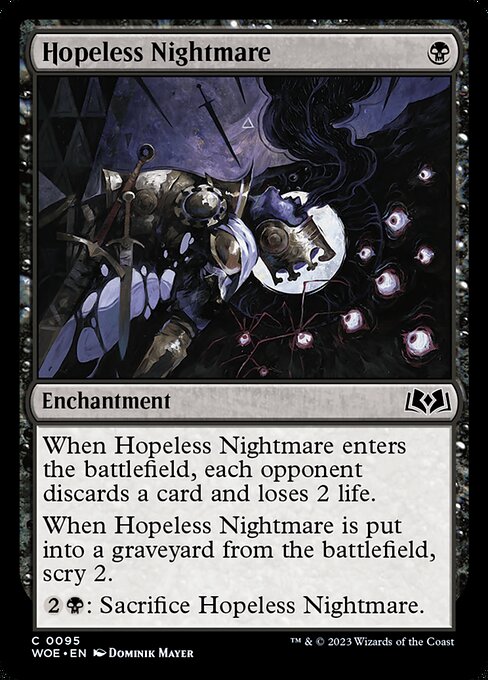
Banned as a key piece of the self-bounce synergy decks, where repeatedly recasting it forced constant discard on opponents. Wizards called that combination of cheap interaction and damage one of the deck's least-fun elements.
Announcement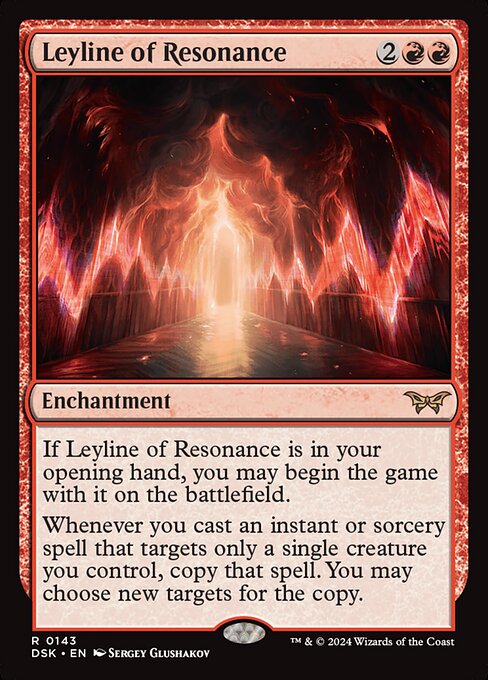
Banned only in MTG Arena Best-of-One Standard queues, where a free turn-zero Leyline plus cheap combat tricks created non-interactive wins as early as turn two. Wizards noted the number of Bo1 Standard games ending before turn four had essentially doubled since Duskmourn's release; the card remained legal in Best-of-Three Standard.
Announcement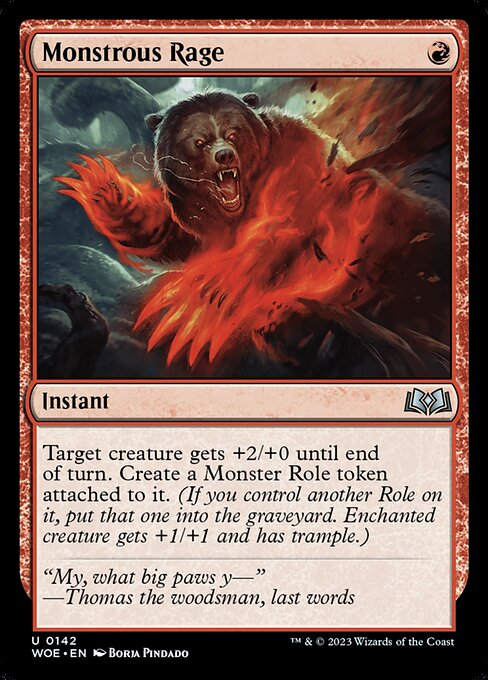
Banned as one of the strongest and most efficient combat tricks ever printed, enabling aggressive combo-style red decks and lowering Standard's fundamental turn. The trample it grants also made blocking a far less effective answer.
Announcement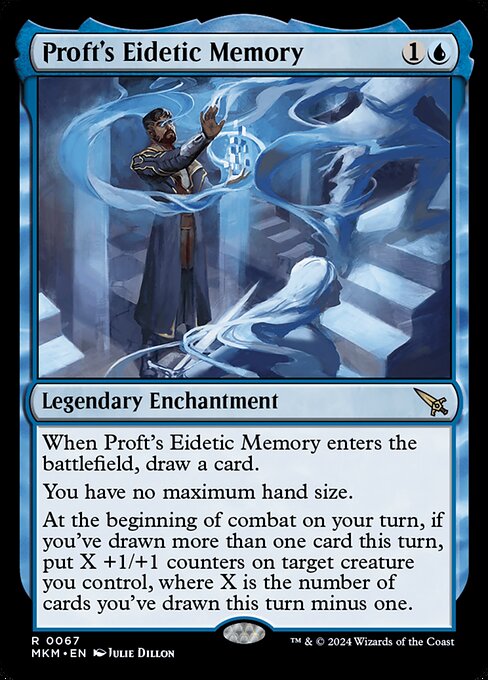
Banned as a one-card engine powering Jeskai Oculus and Izzet Cauldron decks across multiple Standard metagames, leaving its owner up a full card even when answered. Wizards noted it was designed before Standard gained this many card-draw synergies and had proven too strong an engine.
Announcement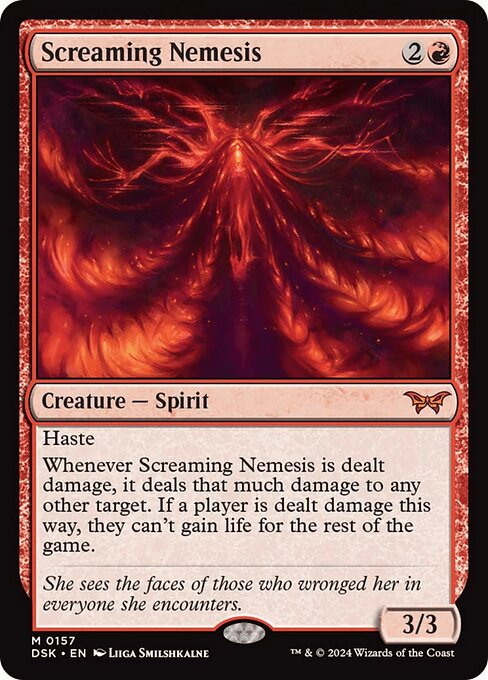
Banned because it singlehandedly removed most counterplay against Mono-Red, giving the deck a strong game plan against two of its natural predators: life gain and large blockers.
Announcement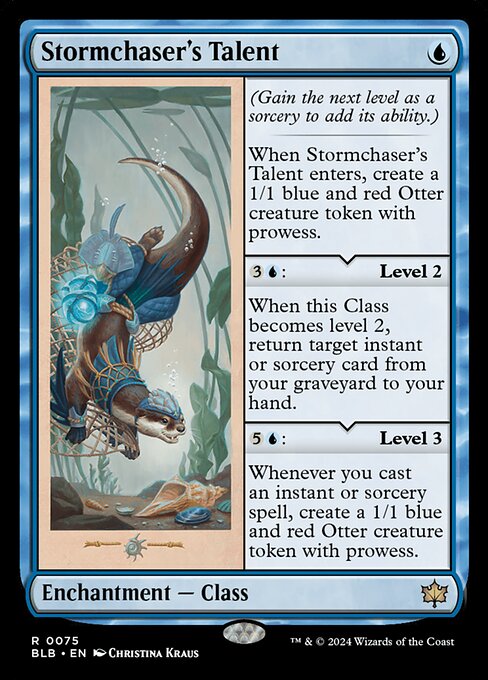
Banned as Izzet Prowess's keystone card - a one-mana spell behind the deck's fast starts that also gives it a strong late game through its interaction with Boomerang Basics. Wizards said blue-red decks would be a little slower and easier to overcome without it.
Announcement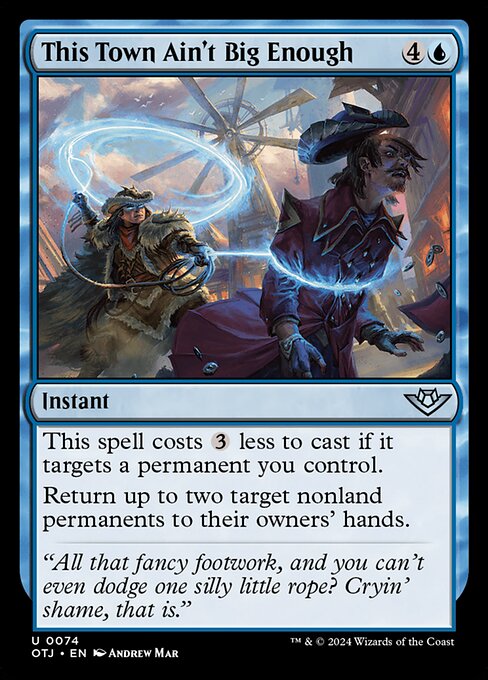
Banned for forming a two-card package with Stormchaser's Talent that could interact with any permanent strategy while advancing its own game plan, which Wizards judged made the format less fun. Repeated bounce lockouts of opposing threats were called particularly frustrating.
Announcement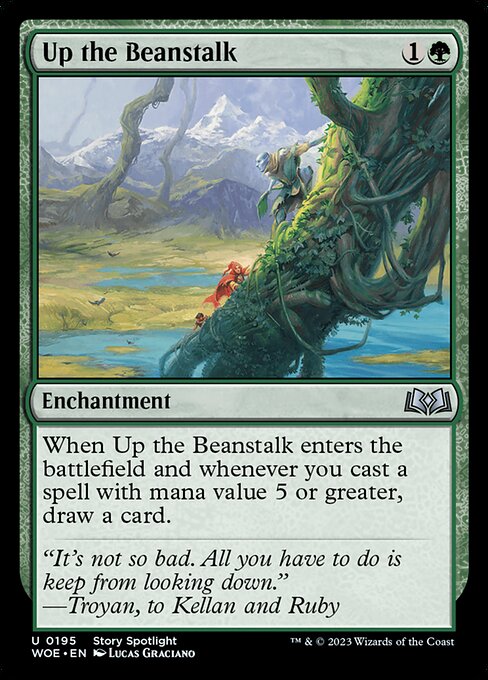
Banned as a best-in-class source of card advantage that was challenging to interact with profitably, and it was already banned in Modern in 2023. Its presence also constrained future design of expensive spells and cost-reduction effects.
Announcement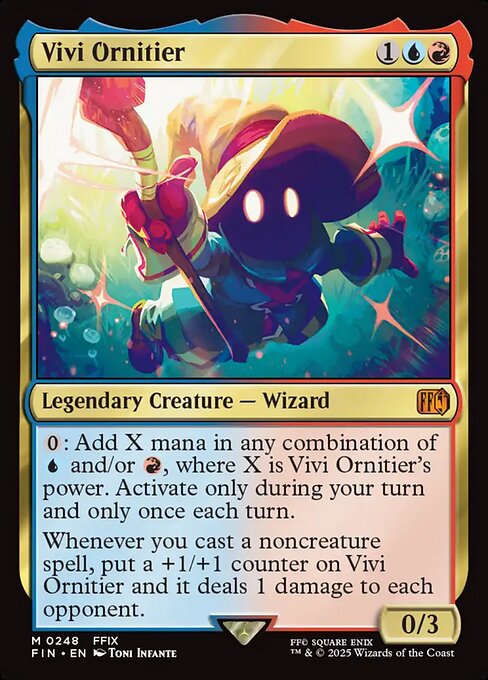
Banned because the Vivi Ornitier plus Agatha's Soul Cauldron combo in Izzet Cauldron dominated the tournament scene and was too much stronger than the rest of the format. Wizards judged the deck would remain among the format's best even after losing the card.
AnnouncementAugust 10, 2026 · 3
Banned as the clear choice from the Selesnya Offense deck - a cheap threat that demands an immediate answer while letting its controller develop an insurmountable mana advantage. Wizards called it extremely powerful and format-defining ever since release, and said Standard would be more fun with more breathing room without it.
AnnouncementBanned as a powerful mana engine for Jeskai Lessons decks. Like Stormchaser's Talent, Wizards called it an inappropriately threatening one-mana card that provides too much late-game advantage for a card that costs one mana.
AnnouncementBanned as Izzet Prowess's keystone card - a one-mana spell behind the deck's fast starts that also gives it a strong late game through its interaction with Boomerang Basics. Wizards said blue-red decks would be a little slower and easier to overcome without it.
AnnouncementNovember 10, 2025 · 3
Banned as a one-card engine powering Jeskai Oculus and Izzet Cauldron decks across multiple Standard metagames, leaving its owner up a full card even when answered. Wizards noted it was designed before Standard gained this many card-draw synergies and had proven too strong an engine.
AnnouncementBanned because it singlehandedly removed most counterplay against Mono-Red, giving the deck a strong game plan against two of its natural predators: life gain and large blockers.
AnnouncementBanned because the Vivi Ornitier plus Agatha's Soul Cauldron combo in Izzet Cauldron dominated the tournament scene and was too much stronger than the rest of the format. Wizards judged the deck would remain among the format's best even after losing the card.
AnnouncementJune 30, 2025 · 7
Banned as the key enabler of the Azorius Omniscience combo deck. Wizards said the deck proved too powerful and consistent at cheaply reanimating Omniscience despite design attempts to limit it.
AnnouncementBanned for being too strong for Standard and making Izzet Prowess the format's dominant deck. Its cheap, recurring token generation made it challenging to interact with profitably.
AnnouncementBanned for giving red aggressive decks explosive early pressure along with significant resiliency to many kinds of removal. It forced non-aggressive decks to lean on early interaction or sweepers like Temporary Lockdown just to survive.
AnnouncementBanned as a key piece of the self-bounce synergy decks, where repeatedly recasting it forced constant discard on opponents. Wizards called that combination of cheap interaction and damage one of the deck's least-fun elements.
AnnouncementBanned as one of the strongest and most efficient combat tricks ever printed, enabling aggressive combo-style red decks and lowering Standard's fundamental turn. The trample it grants also made blocking a far less effective answer.
AnnouncementBanned for forming a two-card package with Stormchaser's Talent that could interact with any permanent strategy while advancing its own game plan, which Wizards judged made the format less fun. Repeated bounce lockouts of opposing threats were called particularly frustrating.
AnnouncementBanned as a best-in-class source of card advantage that was challenging to interact with profitably, and it was already banned in Modern in 2023. Its presence also constrained future design of expensive spells and cost-reduction effects.
AnnouncementOctober 22, 2024 · 1
Banned only in MTG Arena Best-of-One Standard queues, where a free turn-zero Leyline plus cheap combat tricks created non-interactive wins as early as turn two. Wizards noted the number of Bo1 Standard games ending before turn four had essentially doubled since Duskmourn's release; the card remained legal in Best-of-Three Standard.
Announcement