Every card currently banned or restricted in Commander, from the official Wizards Banned & Restricted list (as of August 10, 2026). Click a card to flip it and see when it was banned and why. Restricted means a deck may run at most one copy across maindeck and sideboard.
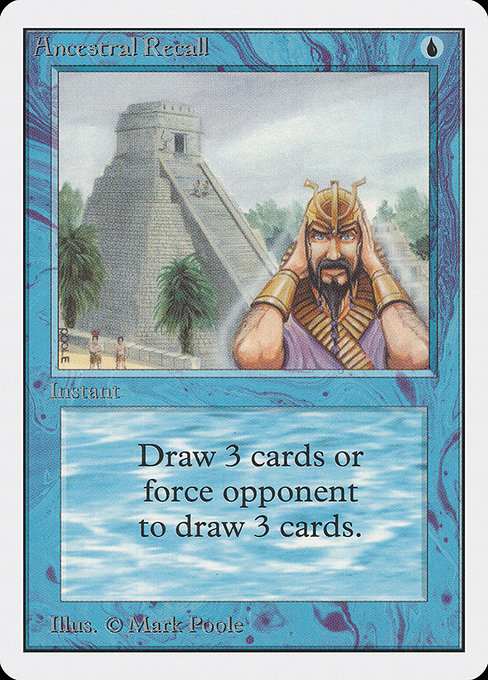
Banned with the rest of the Power Nine largely for accessibility optics - the Rules Committee did not want casual observers to think Commander required an expensive Power Nine investment to play.
Announcement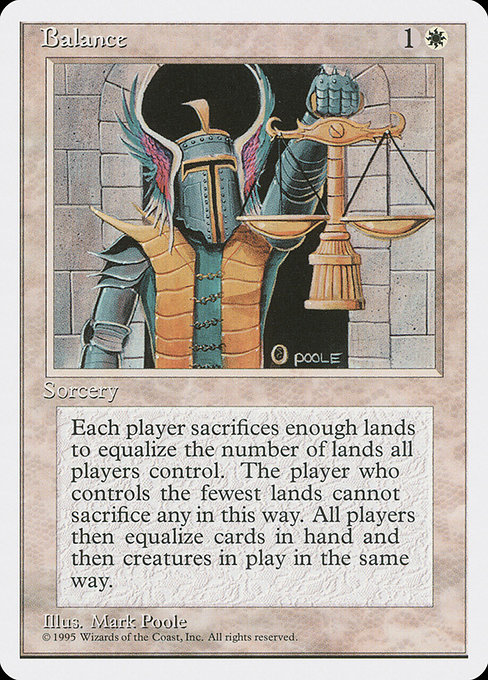
Creates slow games with few meaningful decisions, leaving players with minimal resources and almost no agency after it resolves.
Announcement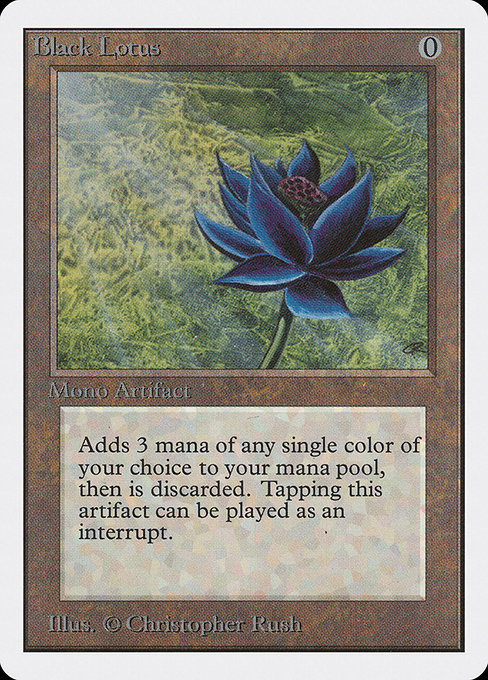
Banned largely for optics as part of the Power Nine - the Rules Committee wanted to counter the notion that Commander requires hundreds or thousands of dollars of Power Nine cards.
Announcement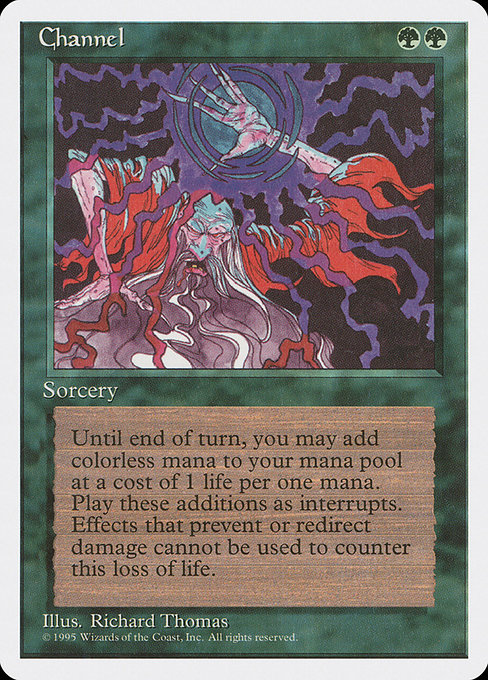
Abuses the format's higher starting life total by converting life into a huge burst of mana, catapulting its controller far ahead in the early game.
Announcement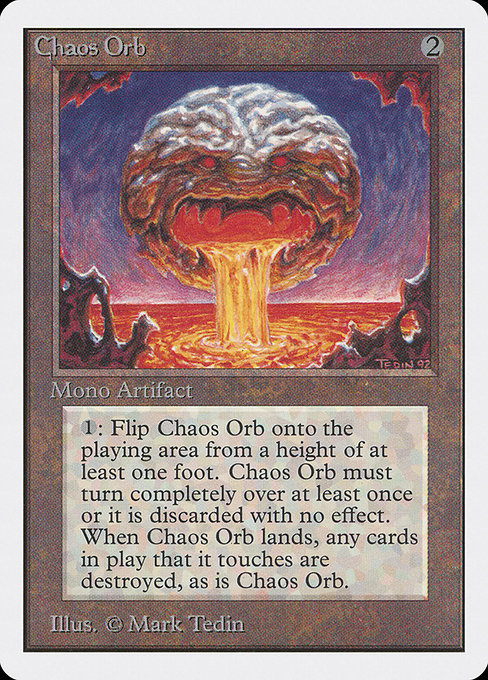
A manual-dexterity card that requires physically flipping the card onto the battlefield, creating accessibility problems and awkward gameplay.
Announcement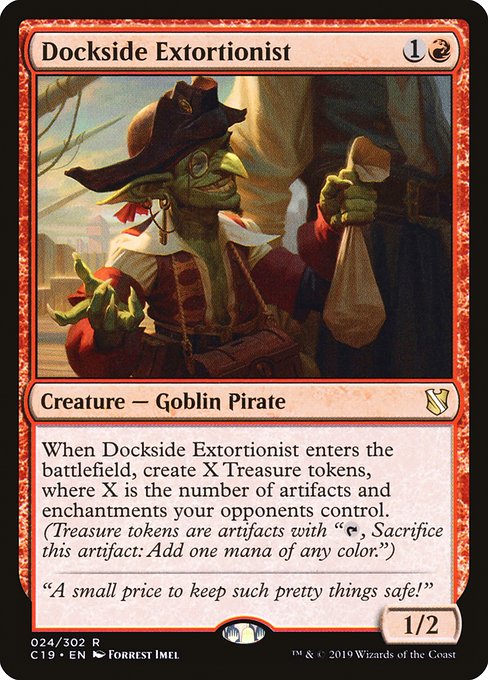
Can generate a mana advantage as early as turn two and then accumulate excessive treasures, so entire games came to revolve around a two-mana creature. Wizards cited it as a frequent catalyst for problematic snowballing starts.
Announcement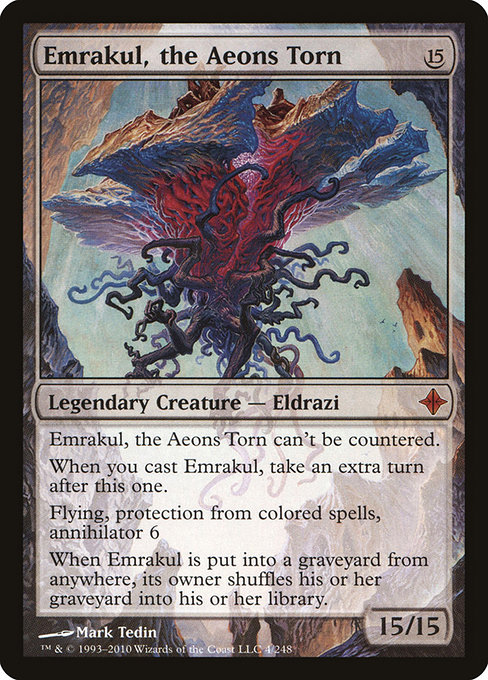
Its game-warping combination of abilities lets it dominate games without actually ending them, and it was banned after community outcry over uninteresting ramp-into-Emrakul strategies.
Announcement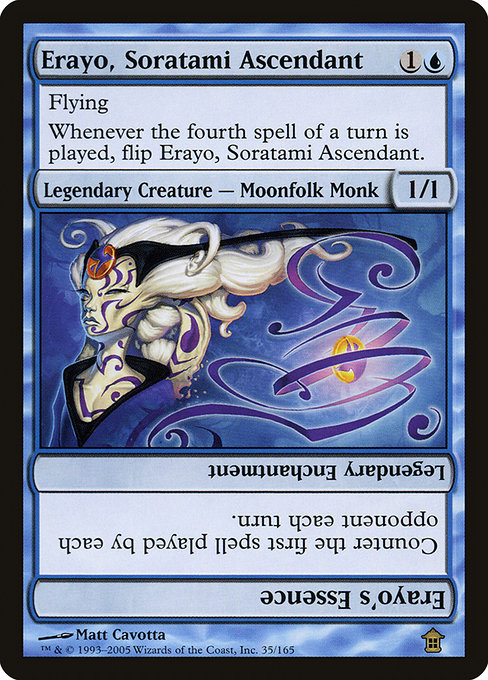
Flips easily when played in the early game, and the resulting counter-lock play pattern is nearly always one-sided and oppressive. Originally banned only as a commander, it became fully banned when that category was eliminated in September 2014.
Announcement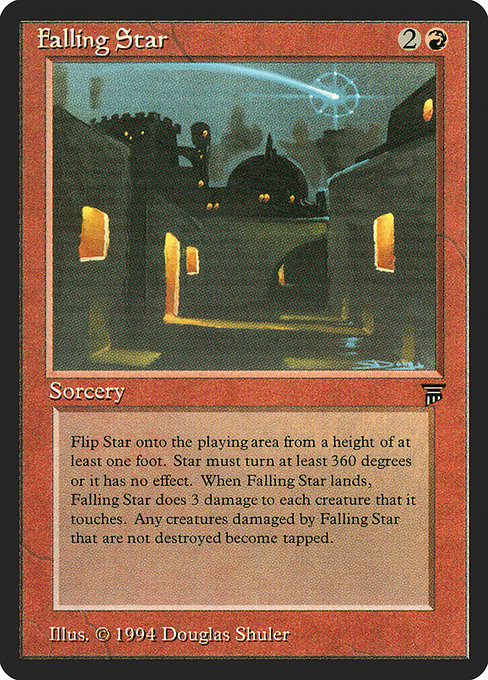
A manual-dexterity card that requires physically throwing the card onto spread-out creatures, creating accessibility problems and awkward gameplay.
Announcement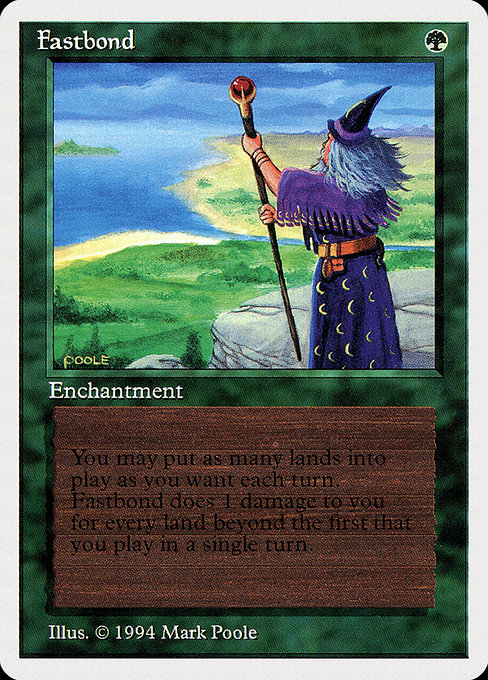
Exploits the format's higher life total to play many extra lands for a negligible life cost, producing excessive acceleration and landfall-style trigger abuse.
Announcement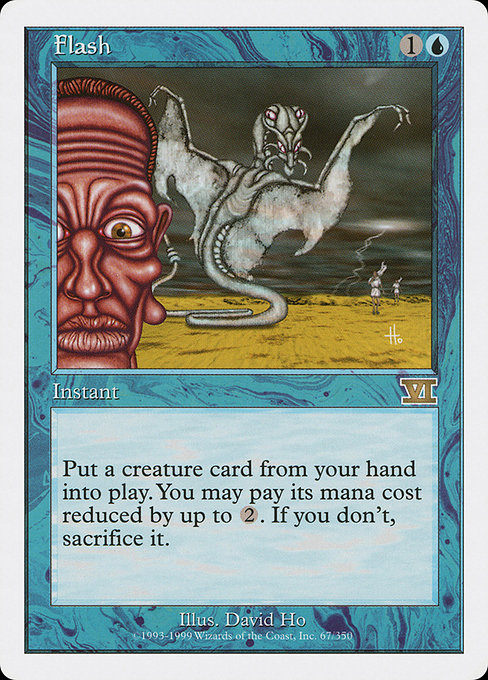
Lets creatures be put into play at instant speed for a minimal cost, enabling combo wins that prevent meaningful interaction from the rest of the table.
Announcement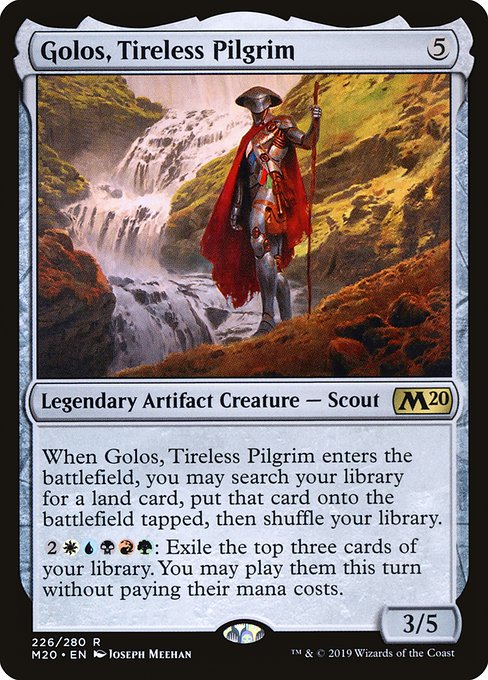
The Rules Committee found it was a better choice of leader for all but the most commander-centric decks, crushing diversity in commander selection while providing ramp, card advantage, and free spellcasting without real color or cost restrictions.
Announcement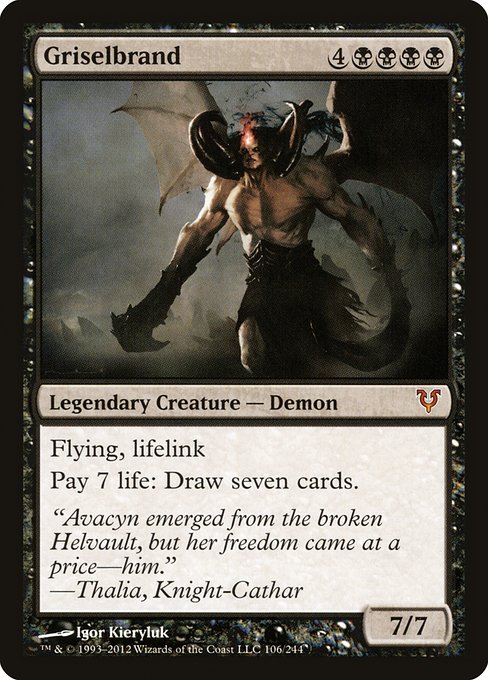
Easily cheated into play early and, amplified by the format's 40-point life total, draws an overwhelming number of cards - made worse by being reliably available from the command zone.
Announcement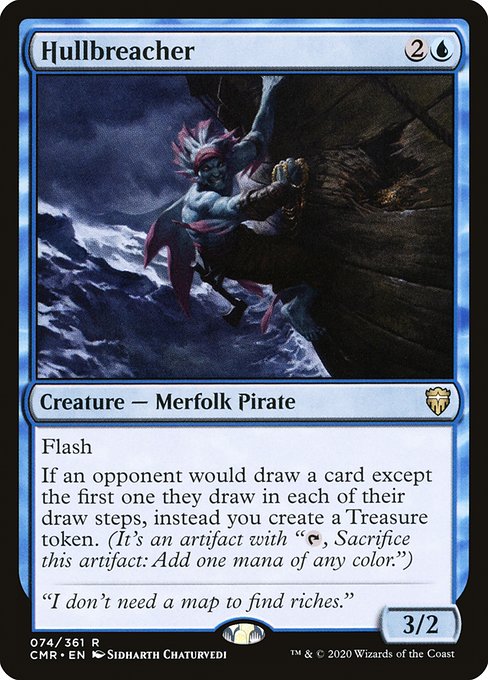
Combined with mass-draw and wheel effects to easily strip opponents' hands while accelerating its controller - an asymmetric resource-denial pattern the Rules Committee judged too tempting even in casual play.
Announcement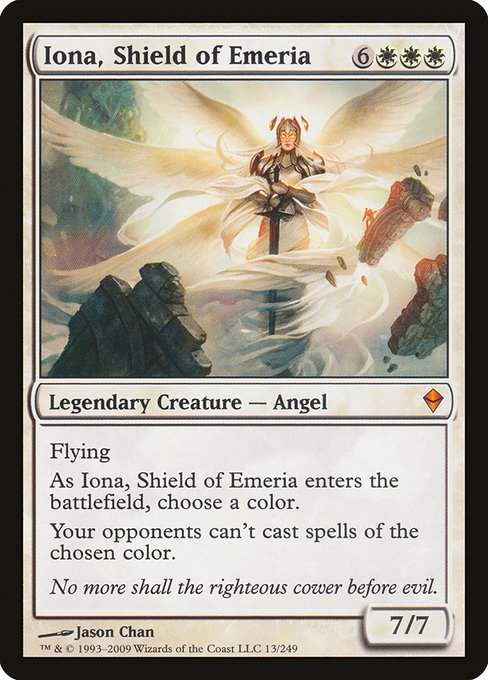
Locks entire colors out of the game, totally negating one or more players' involvement and creating serious social friction at the table.
Announcement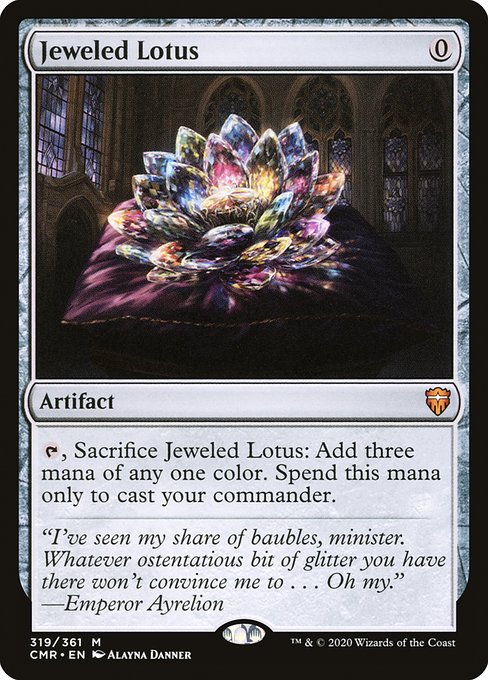
Powers out four- and five-mana commanders far ahead of schedule without needing a strong hand, and modern commanders' built-in card advantage and protection abilities offset its one-shot drawback. Opponents cannot realistically contest such early commander deployments.
Announcement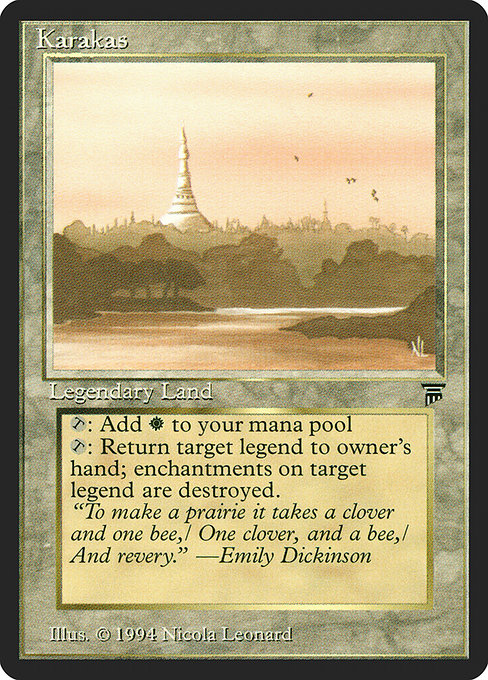
For a negligible cost it repeatedly bounces opposing commanders, denying opponents access to their commanders while protecting its controller's own.
Announcement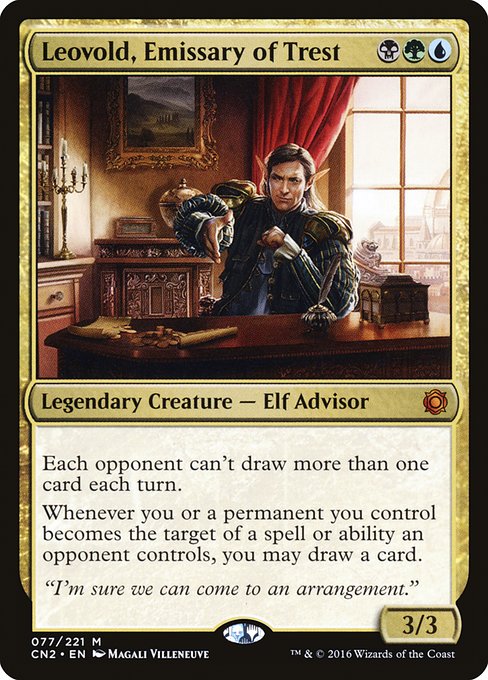
As a commander it enables asymmetric resource denial, pairing with wheel and hand-stripping effects to leave opponents with nothing while its controller keeps drawing.
Announcement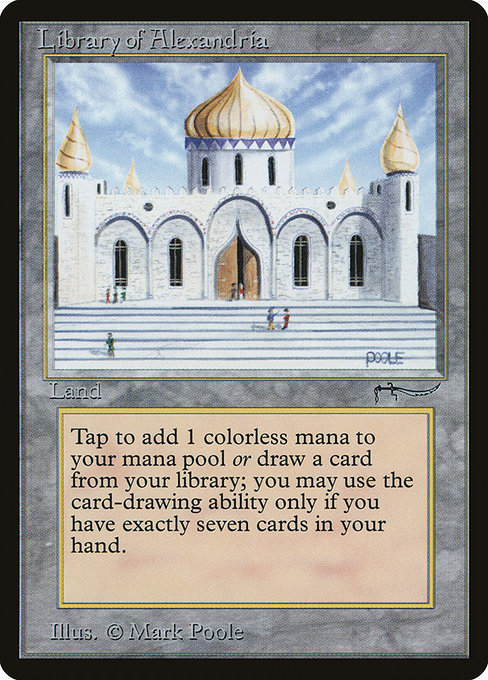
Considered a de facto tenth piece of Power and banned partly for the same barrier-to-entry optics as the Power Nine, alongside the strong recurring card advantage it provides over Commander's long games.
Announcement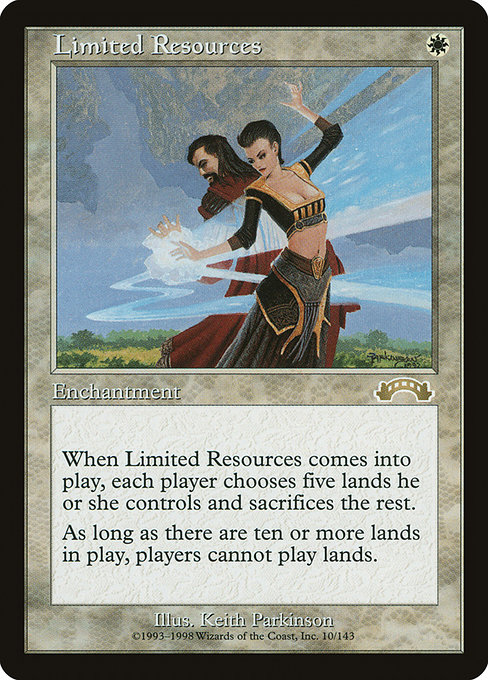
In a multiplayer game the ten-lands threshold is reached almost immediately, so this one-mana enchantment effectively reads 'players can't play any more lands' from around turn two.
Announcement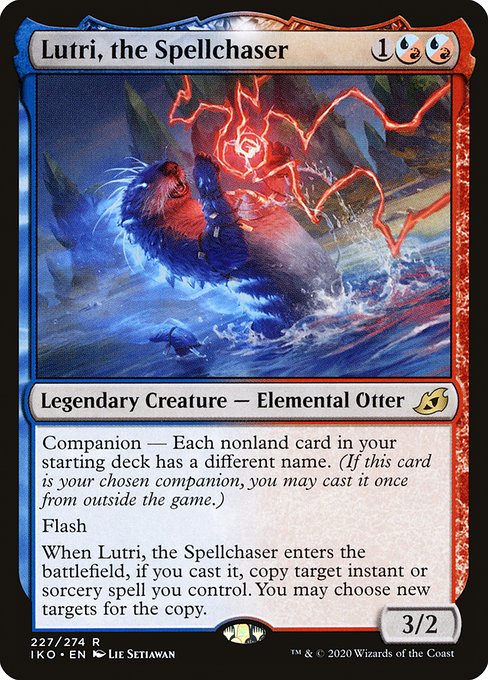
Because Commander decks are singleton, nearly every blue-red deck automatically satisfies its companion restriction, making it a free 101st card with no deckbuilding cost.
Announcement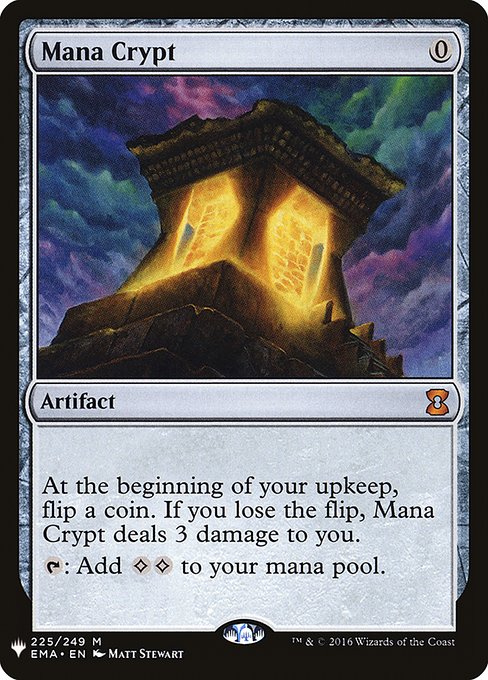
Produces explosive free mana that lets players untap with far too much mana as early as turn two, and its life-loss drawback is negligible in the fast, snowballing games it creates.
Announcement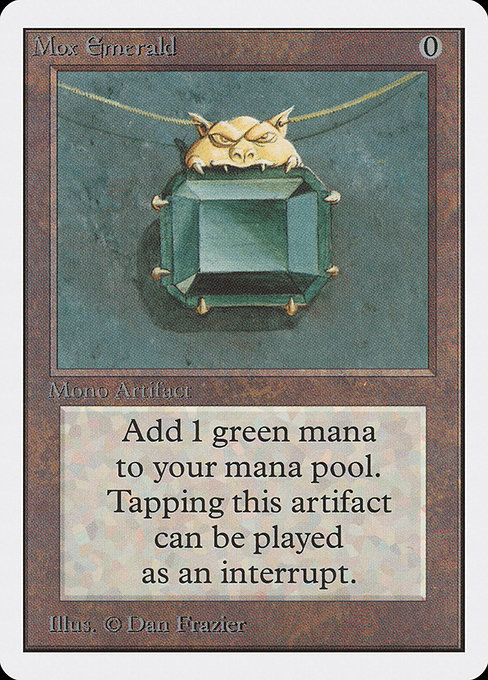
Banned with the rest of the Power Nine largely for optics - the Rules Committee wanted to counter the perception that Commander requires an expensive Power Nine investment.
Announcement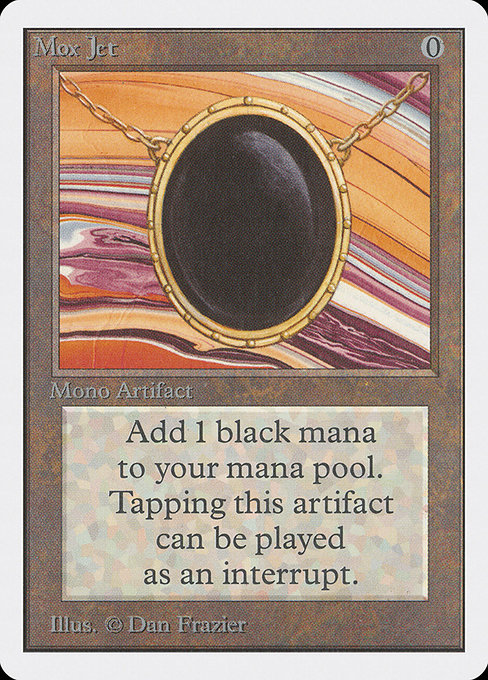
Banned with the rest of the Power Nine largely for optics - the Rules Committee wanted to counter the perception that Commander requires an expensive Power Nine investment.
Announcement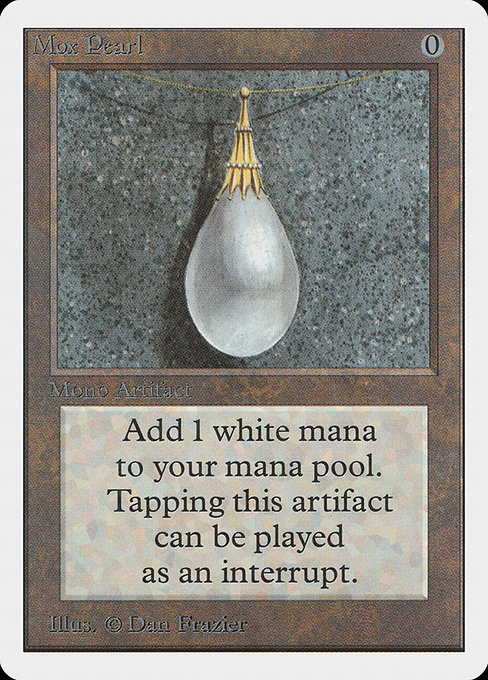
Banned with the rest of the Power Nine largely for optics - the Rules Committee wanted to counter the perception that Commander requires an expensive Power Nine investment.
Announcement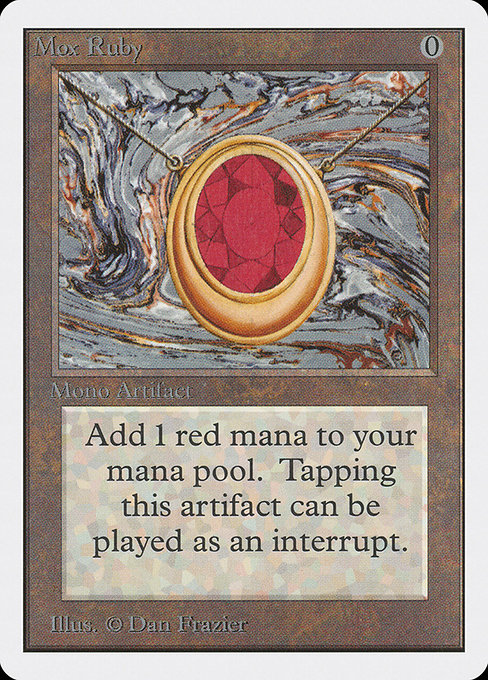
Banned with the rest of the Power Nine largely for optics - the Rules Committee wanted to counter the perception that Commander requires an expensive Power Nine investment.
Announcement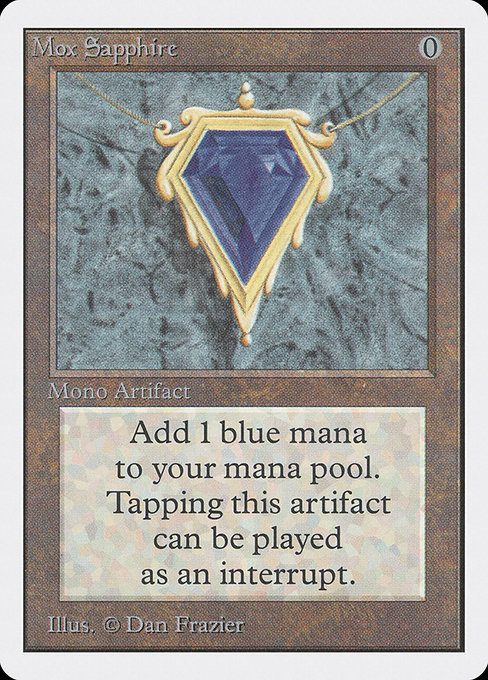
Banned with the rest of the Power Nine largely for optics - the Rules Committee wanted to counter the perception that Commander requires an expensive Power Nine investment.
Announcement
An inexpensive, popular commander that yields overwhelming resource advantage through long, non-deterministic turns with little interaction, causing problems even in casual decks when combined with staples like Lightning Greaves.
Announcement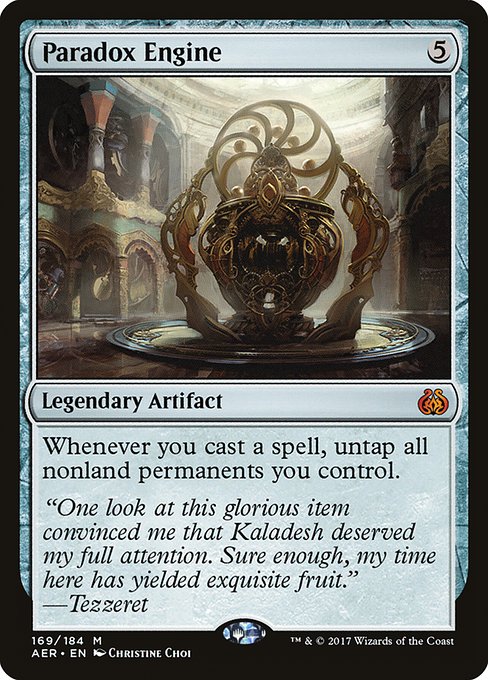
Generates excessive mana through repeated untaps at almost no deckbuilding cost, letting one player monopolize the chess clock while the rest of the table waits.
Announcement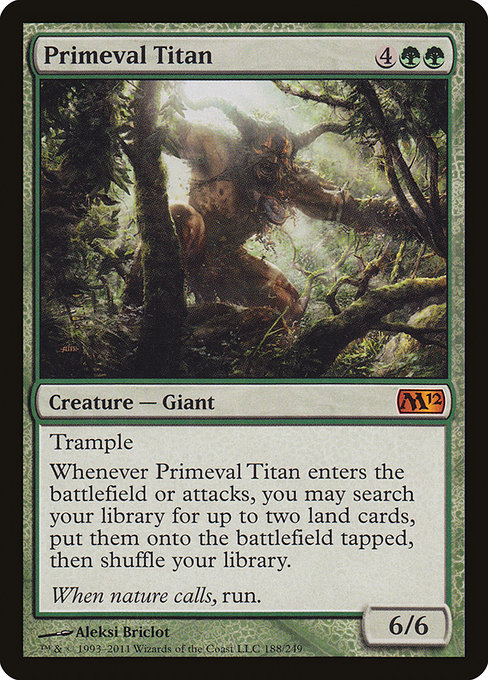
Tutors two lands onto the battlefield for six mana, producing fast, uninteractive acceleration that frequently decides games without actually ending them.
Announcement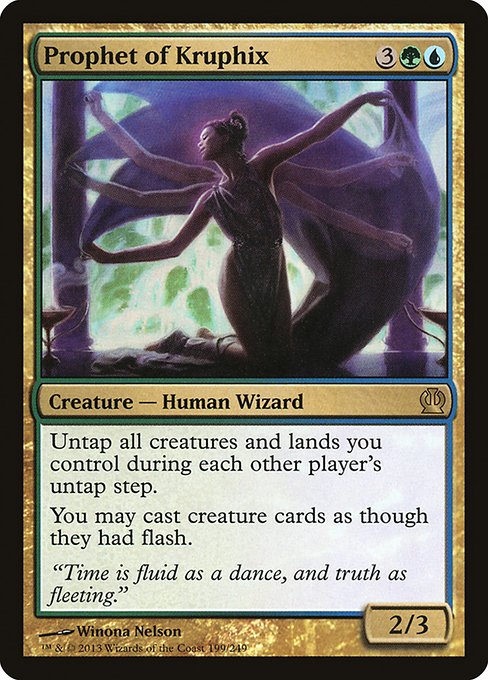
Lets its controller untap and play at instant speed during every other player's turn, resulting in one player monopolizing the table's play time.
Announcement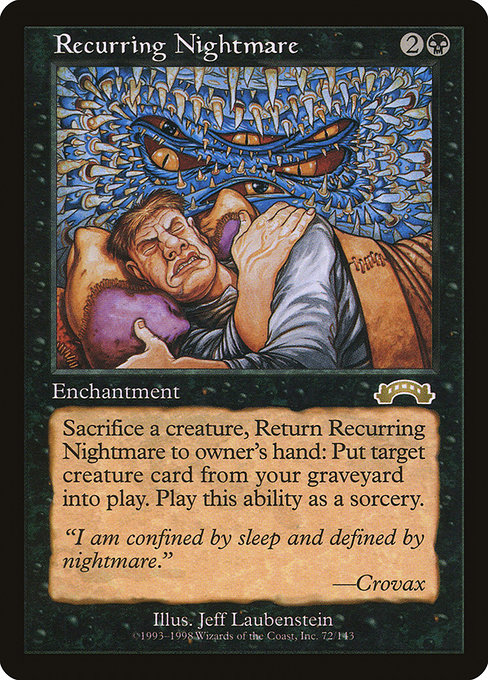
Nearly unstoppable once established, since its sacrifice activation returns it to hand and dodges most interaction, and its recursion engine can become the only spell its controller needs to play.
Announcement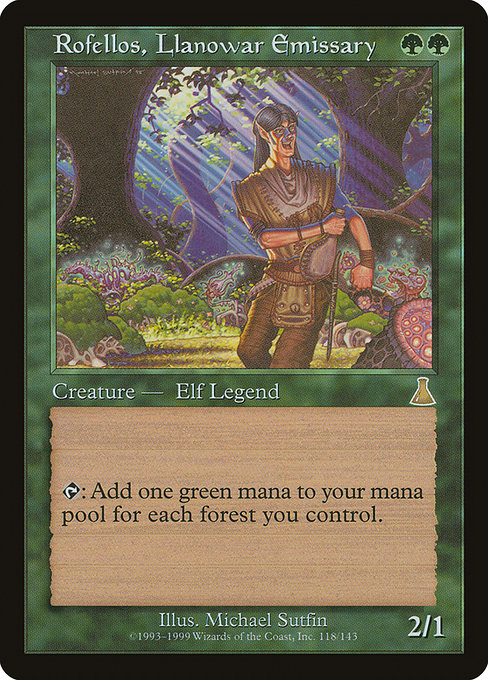
Can provide as much as six mana by turn three with minimal deckbuilding restrictions. Originally banned only as a commander, it became fully banned when that category was eliminated in September 2014.
Announcement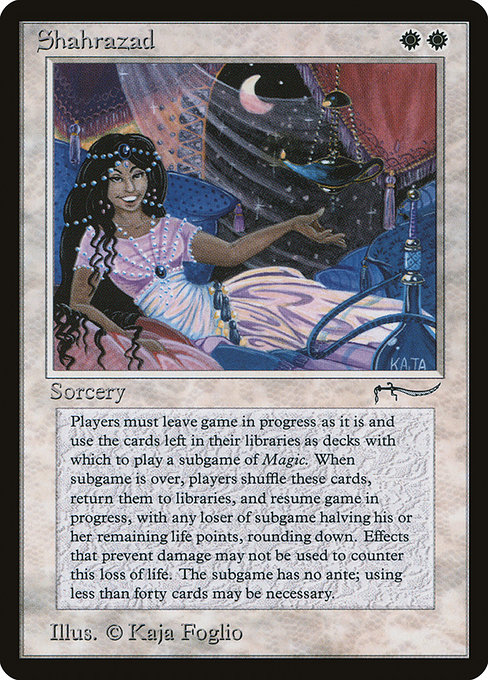
Subgames are a logistical nightmare in multiplayer Commander, and copying or recurring it turns games into slogs.
Announcement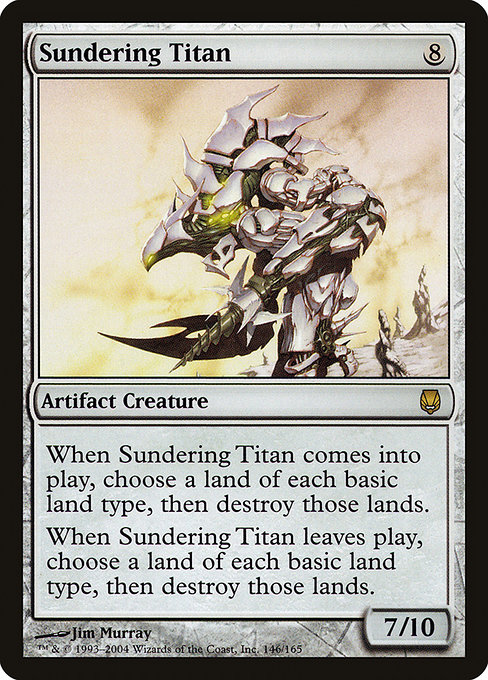
Repeatedly blinked or recurred to destroy opponents' basic lands, making it nearly impossible for other players to keep lands on the battlefield.
Announcement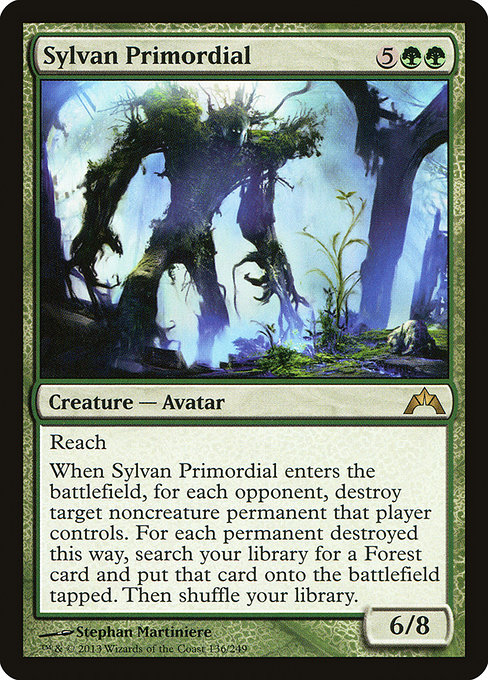
In multiplayer it ramps its controller two or three lands while destroying a permanent from each opponent, and flicker or recursion loops create an insurmountable mana gap.
Announcement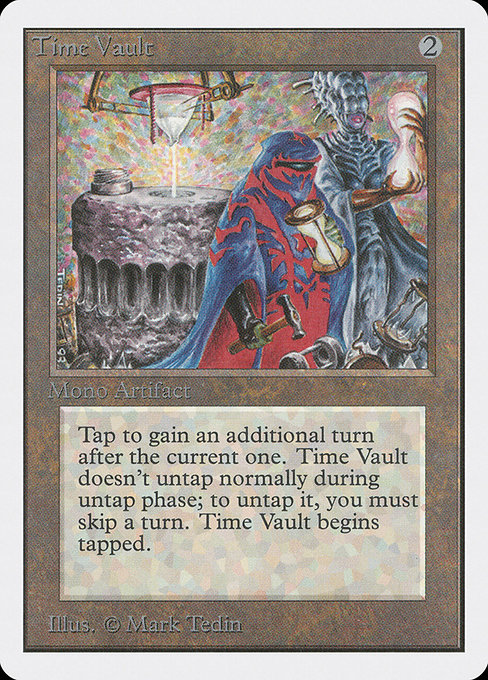
Enables infinite-turn loops, and was banned after errata reverted it to its broken printed functionality.
Announcement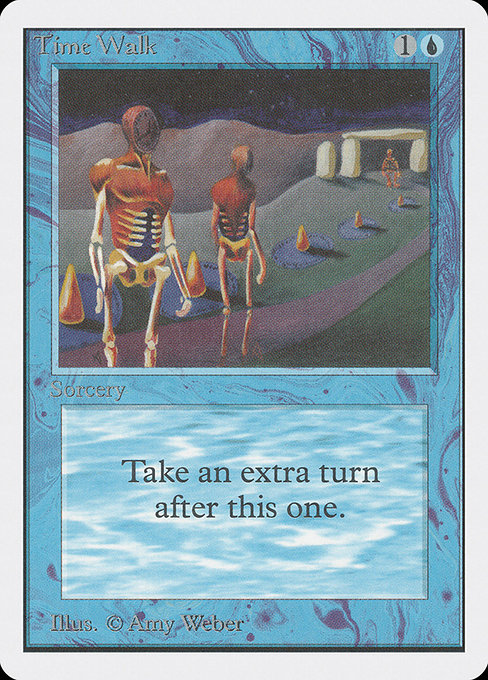
Banned with the rest of the Power Nine largely for optics - the Rules Committee wanted to counter the perception that Commander requires an expensive Power Nine investment.
Announcement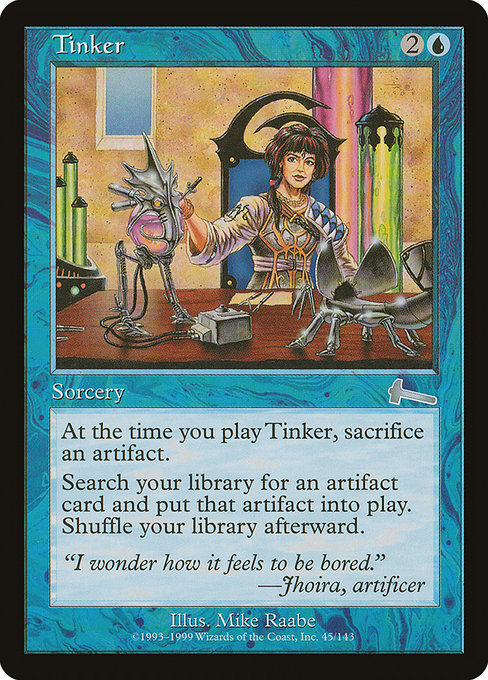
Cheats expensive artifacts into play far ahead of schedule, ending games quickly or locking opponents out of meaningful interaction.
Announcement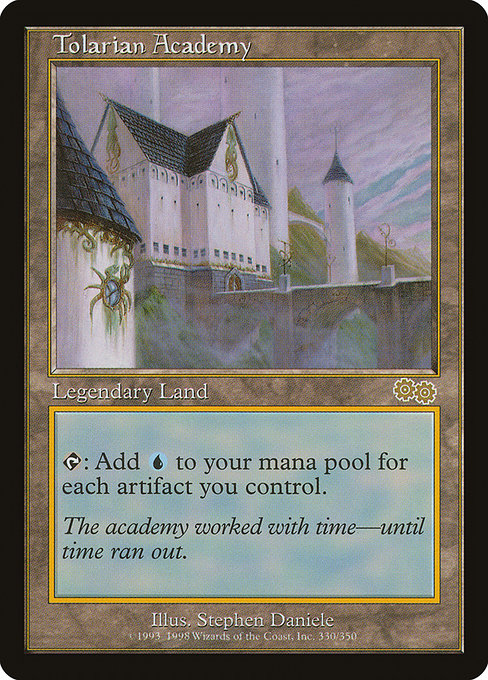
With cheap artifacts it can produce multiple mana as early as turn one and keeps scaling throughout the game at no cost.
Announcement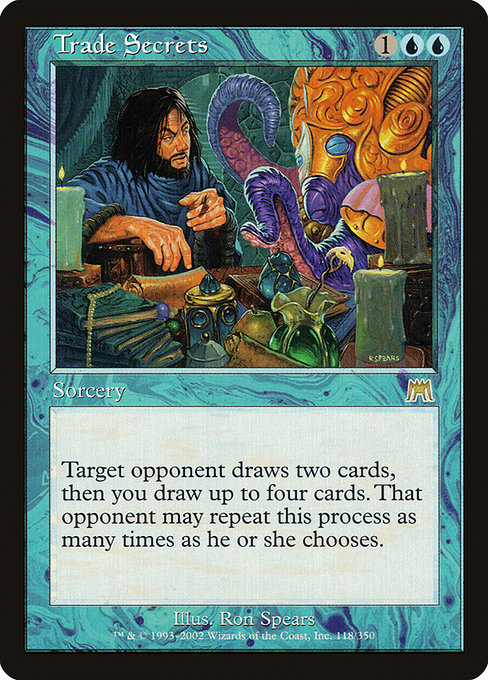
A cheap spell that lets two players collude to draw effectively unlimited cards and box the other players out of the game.
Announcement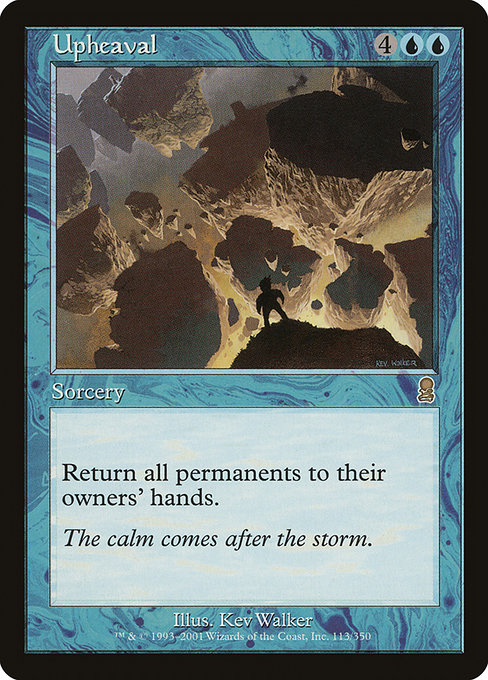
Resets the entire board while its controller floats mana and immediately redeploys, a swing that is essentially unanswerable outside of countermagic.
Announcement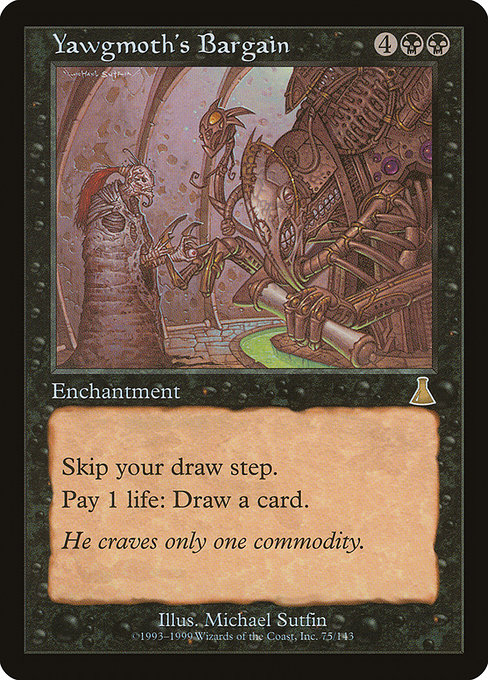
Abuses the format's 40-point starting life total, trivializing the life payment and letting its controller draw a huge portion of their deck.
AnnouncementSeptember 23, 2024 · 4
Can generate a mana advantage as early as turn two and then accumulate excessive treasures, so entire games came to revolve around a two-mana creature. Wizards cited it as a frequent catalyst for problematic snowballing starts.
AnnouncementPowers out four- and five-mana commanders far ahead of schedule without needing a strong hand, and modern commanders' built-in card advantage and protection abilities offset its one-shot drawback. Opponents cannot realistically contest such early commander deployments.
AnnouncementProduces explosive free mana that lets players untap with far too much mana as early as turn two, and its life-loss drawback is negligible in the fast, snowballing games it creates.
AnnouncementAn inexpensive, popular commander that yields overwhelming resource advantage through long, non-deterministic turns with little interaction, causing problems even in casual decks when combined with staples like Lightning Greaves.
AnnouncementSeptember 13, 2021 · 1
The Rules Committee found it was a better choice of leader for all but the most commander-centric decks, crushing diversity in commander selection while providing ramp, card advantage, and free spellcasting without real color or cost restrictions.
AnnouncementJuly 12, 2021 · 1
Combined with mass-draw and wheel effects to easily strip opponents' hands while accelerating its controller - an asymmetric resource-denial pattern the Rules Committee judged too tempting even in casual play.
AnnouncementApril 3, 2020 · 1
Lets creatures be put into play at instant speed for a minimal cost, enabling combo wins that prevent meaningful interaction from the rest of the table.
AnnouncementApril 2, 2020 · 1
Because Commander decks are singleton, nearly every blue-red deck automatically satisfies its companion restriction, making it a free 101st card with no deckbuilding cost.
AnnouncementJuly 2019 · 2
Locks entire colors out of the game, totally negating one or more players' involvement and creating serious social friction at the table.
AnnouncementGenerates excessive mana through repeated untaps at almost no deckbuilding cost, letting one player monopolize the chess clock while the rest of the table waits.
AnnouncementApril 2017 · 1
As a commander it enables asymmetric resource denial, pairing with wheel and hand-stripping effects to leave opponents with nothing while its controller keeps drawing.
AnnouncementJanuary 2016 · 1
Lets its controller untap and play at instant speed during every other player's turn, resulting in one player monopolizing the table's play time.
AnnouncementSeptember 2014 · 2
Flips easily when played in the early game, and the resulting counter-lock play pattern is nearly always one-sided and oppressive. Originally banned only as a commander, it became fully banned when that category was eliminated in September 2014.
AnnouncementCan provide as much as six mana by turn three with minimal deckbuilding restrictions. Originally banned only as a commander, it became fully banned when that category was eliminated in September 2014.
AnnouncementFebruary 2014 · 1
In multiplayer it ramps its controller two or three lands while destroying a permanent from each opponent, and flicker or recursion loops create an insurmountable mana gap.
AnnouncementApril 2013 · 1
A cheap spell that lets two players collude to draw effectively unlimited cards and box the other players out of the game.
AnnouncementSeptember 2012 · 1
Tutors two lands onto the battlefield for six mana, producing fast, uninteractive acceleration that frequently decides games without actually ending them.
AnnouncementJune 2012 · 2
Easily cheated into play early and, amplified by the format's 40-point life total, draws an overwhelming number of cards - made worse by being reliably available from the command zone.
AnnouncementRepeatedly blinked or recurred to destroy opponents' basic lands, making it nearly impossible for other players to keep lands on the battlefield.
AnnouncementDecember 2010 · 1
Its game-warping combination of abilities lets it dominate games without actually ending them, and it was banned after community outcry over uninteresting ramp-into-Emrakul strategies.
AnnouncementJune 2010 · 2
Abuses the format's higher starting life total by converting life into a huge burst of mana, catapulting its controller far ahead in the early game.
AnnouncementWith cheap artifacts it can produce multiple mana as early as turn one and keeps scaling throughout the game at no cost.
AnnouncementJune 2009 · 1
Exploits the format's higher life total to play many extra lands for a negligible life cost, producing excessive acceleration and landfall-style trigger abuse.
AnnouncementMarch 2009 · 1
Cheats expensive artifacts into play far ahead of schedule, ending games quickly or locking opponents out of meaningful interaction.
AnnouncementDecember 2008 · 1
Enables infinite-turn loops, and was banned after errata reverted it to its broken printed functionality.
AnnouncementSeptember 2008 · 1
For a negligible cost it repeatedly bounces opposing commanders, denying opponents access to their commanders while protecting its controller's own.
AnnouncementJune 2008 · 1
In a multiplayer game the ten-lands threshold is reached almost immediately, so this one-mana enchantment effectively reads 'players can't play any more lands' from around turn two.
AnnouncementFebruary 2008 · 1
Nearly unstoppable once established, since its sacrifice activation returns it to hand and dodges most interaction, and its recursion engine can become the only spell its controller needs to play.
AnnouncementMay 2006 · 1
Abuses the format's 40-point starting life total, trivializing the life payment and letting its controller draw a huge portion of their deck.
AnnouncementDecember 2005 · 1
Subgames are a logistical nightmare in multiplayer Commander, and copying or recurring it turns games into slogs.
AnnouncementApril 2005 · 13
Banned with the rest of the Power Nine largely for accessibility optics - the Rules Committee did not want casual observers to think Commander required an expensive Power Nine investment to play.
AnnouncementCreates slow games with few meaningful decisions, leaving players with minimal resources and almost no agency after it resolves.
AnnouncementBanned largely for optics as part of the Power Nine - the Rules Committee wanted to counter the notion that Commander requires hundreds or thousands of dollars of Power Nine cards.
AnnouncementA manual-dexterity card that requires physically flipping the card onto the battlefield, creating accessibility problems and awkward gameplay.
AnnouncementA manual-dexterity card that requires physically throwing the card onto spread-out creatures, creating accessibility problems and awkward gameplay.
AnnouncementConsidered a de facto tenth piece of Power and banned partly for the same barrier-to-entry optics as the Power Nine, alongside the strong recurring card advantage it provides over Commander's long games.
AnnouncementBanned with the rest of the Power Nine largely for optics - the Rules Committee wanted to counter the perception that Commander requires an expensive Power Nine investment.
AnnouncementBanned with the rest of the Power Nine largely for optics - the Rules Committee wanted to counter the perception that Commander requires an expensive Power Nine investment.
AnnouncementBanned with the rest of the Power Nine largely for optics - the Rules Committee wanted to counter the perception that Commander requires an expensive Power Nine investment.
AnnouncementBanned with the rest of the Power Nine largely for optics - the Rules Committee wanted to counter the perception that Commander requires an expensive Power Nine investment.
AnnouncementBanned with the rest of the Power Nine largely for optics - the Rules Committee wanted to counter the perception that Commander requires an expensive Power Nine investment.
AnnouncementBanned with the rest of the Power Nine largely for optics - the Rules Committee wanted to counter the perception that Commander requires an expensive Power Nine investment.
AnnouncementResets the entire board while its controller floats mana and immediately redeploys, a swing that is essentially unanswerable outside of countermagic.
AnnouncementBanned as a group
Conspiracy cards · 25 cards
Cards with the Conspiracy type are designed for the multiplayer Conspiracy draft format and are banned in constructed play.
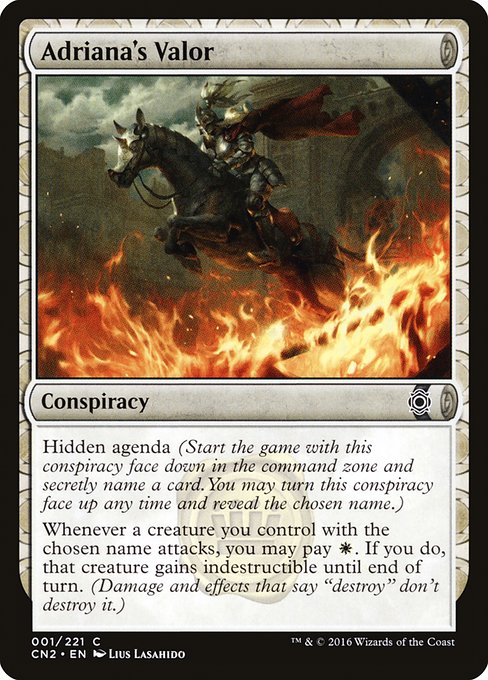
Cards with the Conspiracy type are designed for the multiplayer Conspiracy draft format and are banned in constructed play.
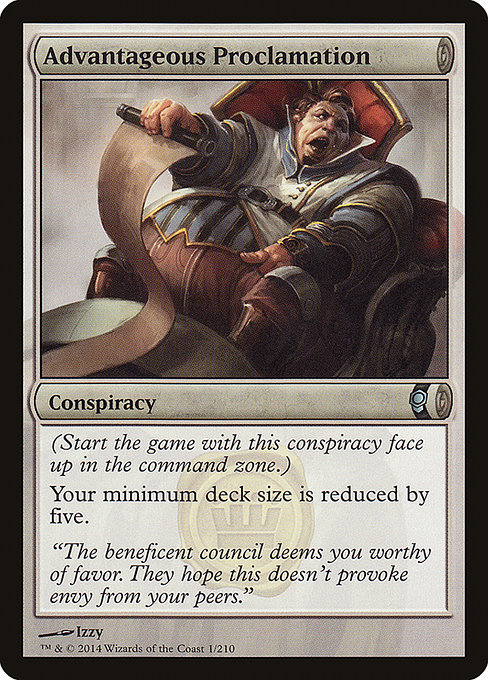
Cards with the Conspiracy type are designed for the multiplayer Conspiracy draft format and are banned in constructed play.
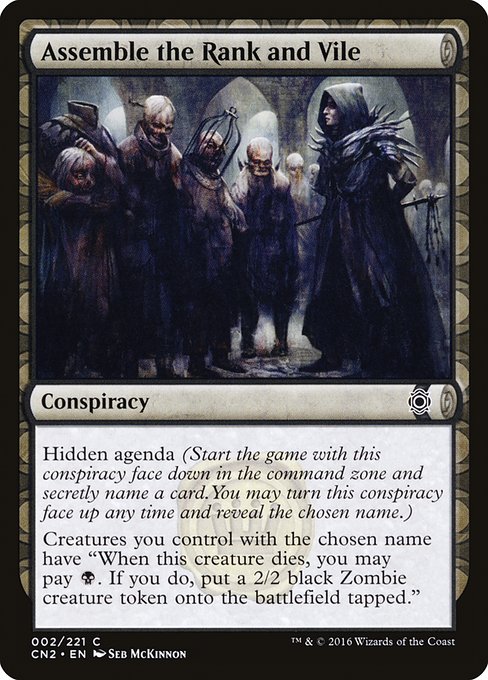
Cards with the Conspiracy type are designed for the multiplayer Conspiracy draft format and are banned in constructed play.
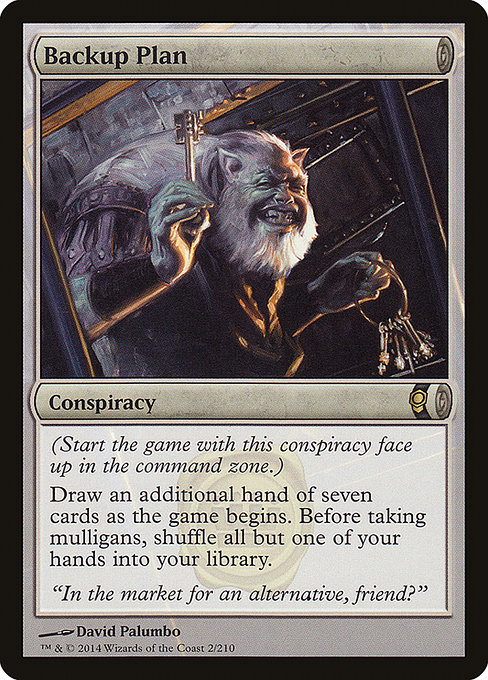
Cards with the Conspiracy type are designed for the multiplayer Conspiracy draft format and are banned in constructed play.
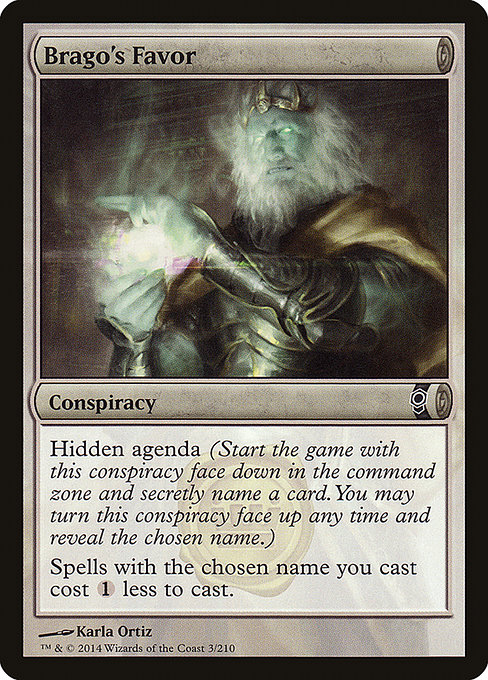
Cards with the Conspiracy type are designed for the multiplayer Conspiracy draft format and are banned in constructed play.
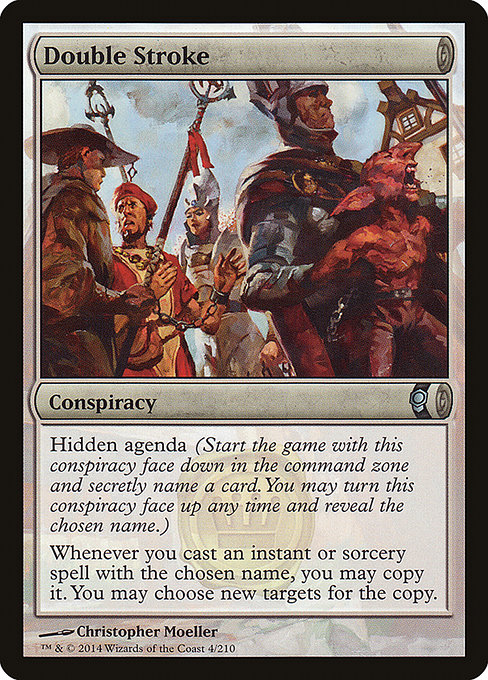
Cards with the Conspiracy type are designed for the multiplayer Conspiracy draft format and are banned in constructed play.
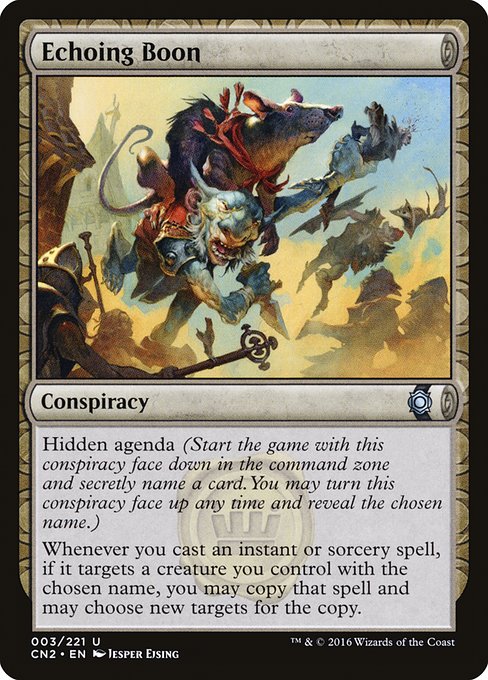
Cards with the Conspiracy type are designed for the multiplayer Conspiracy draft format and are banned in constructed play.
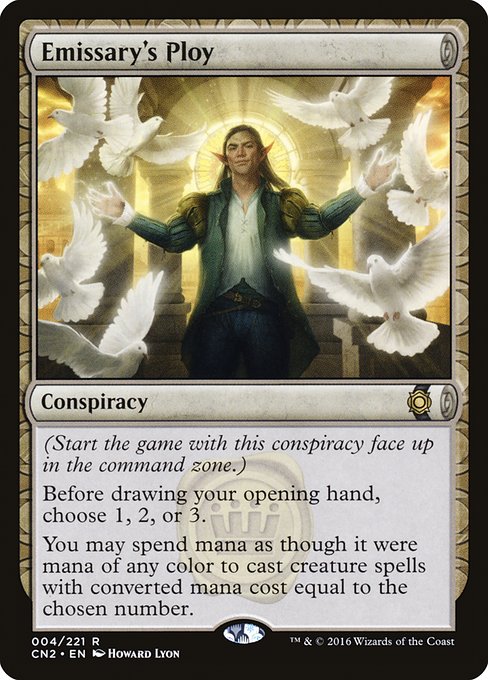
Cards with the Conspiracy type are designed for the multiplayer Conspiracy draft format and are banned in constructed play.
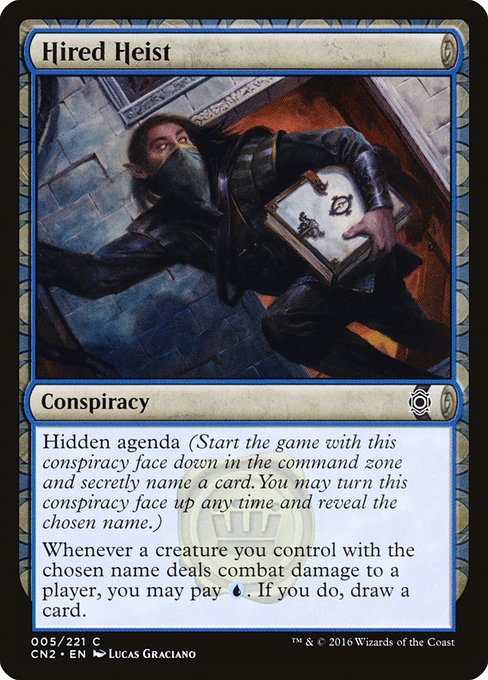
Cards with the Conspiracy type are designed for the multiplayer Conspiracy draft format and are banned in constructed play.
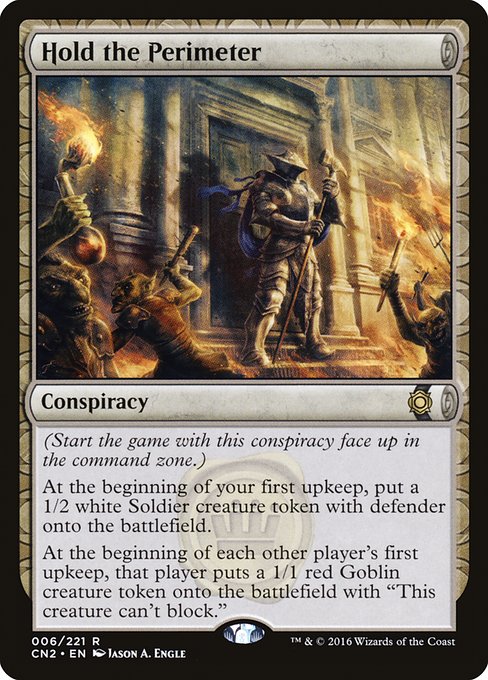
Cards with the Conspiracy type are designed for the multiplayer Conspiracy draft format and are banned in constructed play.
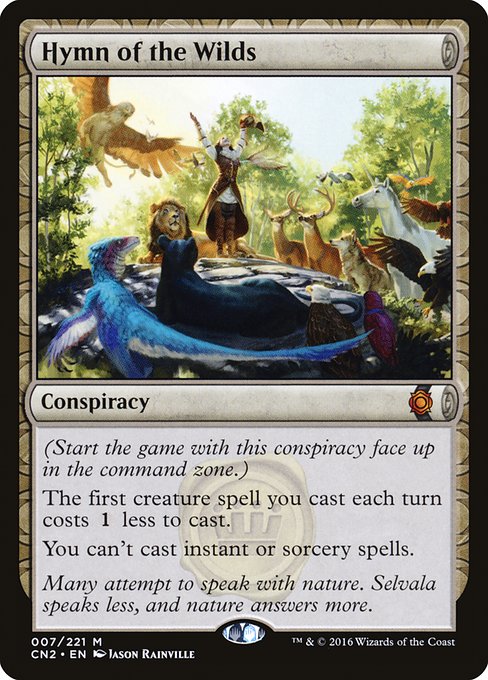
Cards with the Conspiracy type are designed for the multiplayer Conspiracy draft format and are banned in constructed play.
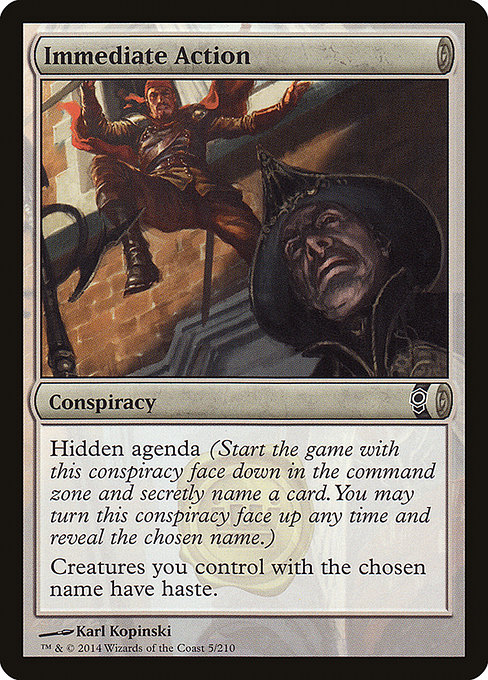
Cards with the Conspiracy type are designed for the multiplayer Conspiracy draft format and are banned in constructed play.
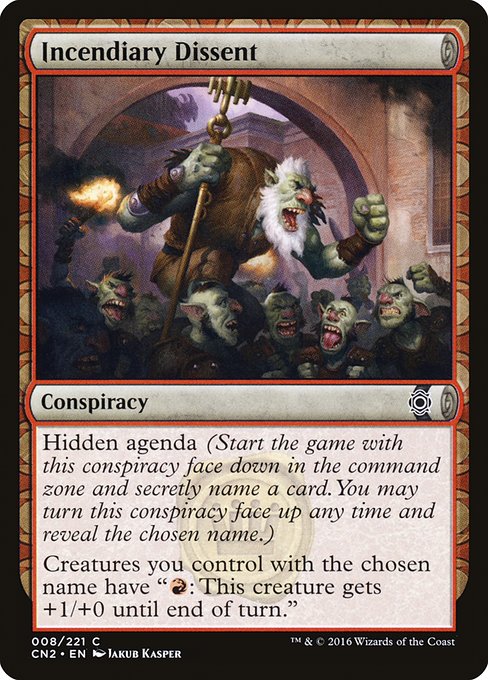
Cards with the Conspiracy type are designed for the multiplayer Conspiracy draft format and are banned in constructed play.
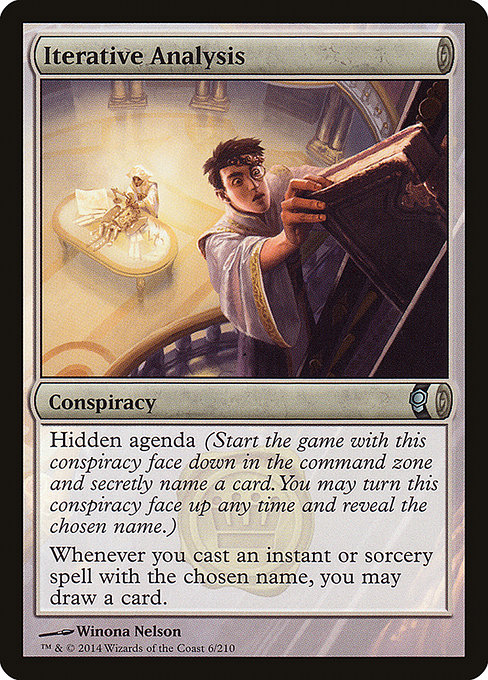
Cards with the Conspiracy type are designed for the multiplayer Conspiracy draft format and are banned in constructed play.
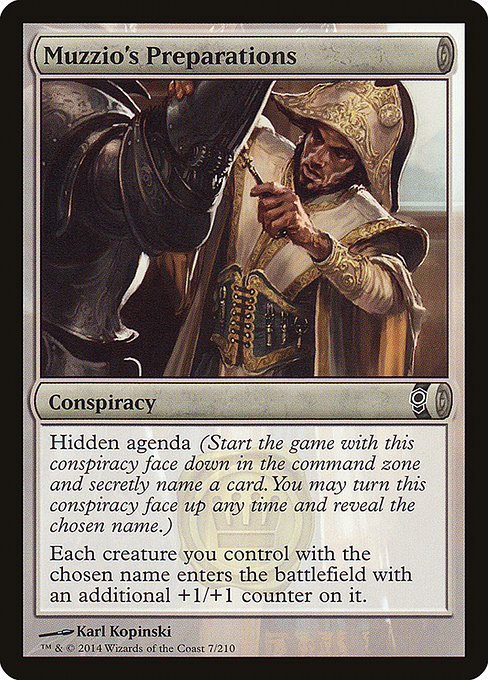
Cards with the Conspiracy type are designed for the multiplayer Conspiracy draft format and are banned in constructed play.
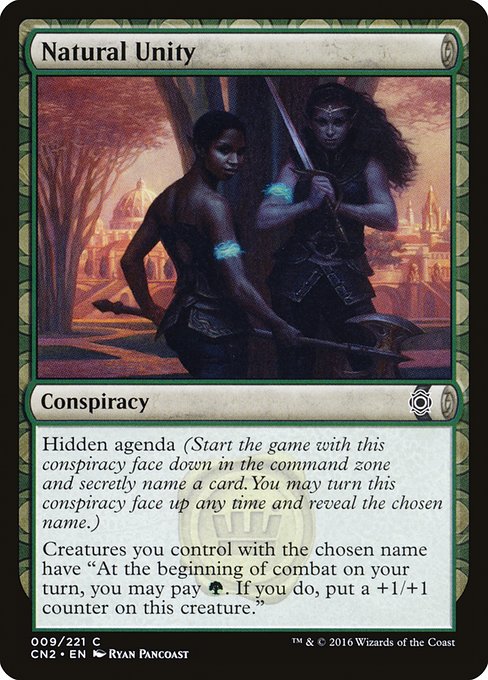
Cards with the Conspiracy type are designed for the multiplayer Conspiracy draft format and are banned in constructed play.
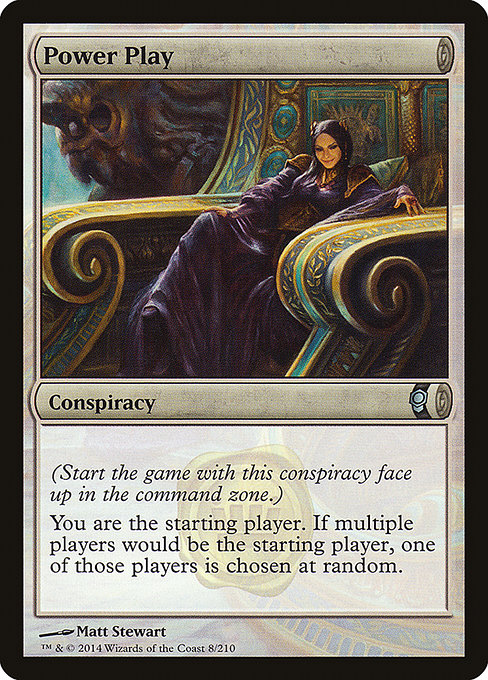
Cards with the Conspiracy type are designed for the multiplayer Conspiracy draft format and are banned in constructed play.
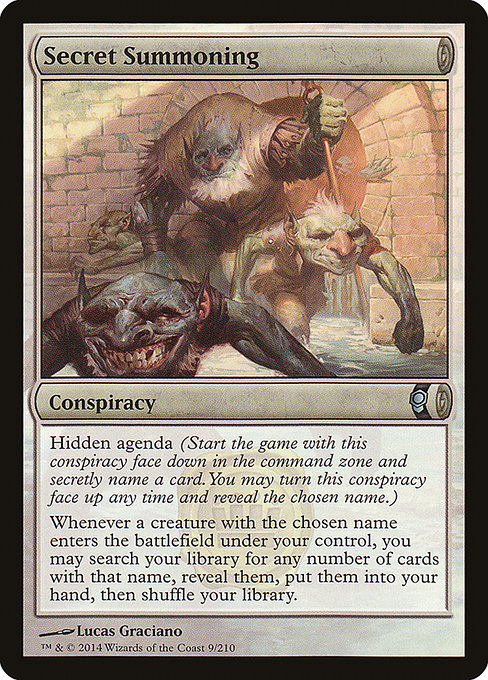
Cards with the Conspiracy type are designed for the multiplayer Conspiracy draft format and are banned in constructed play.
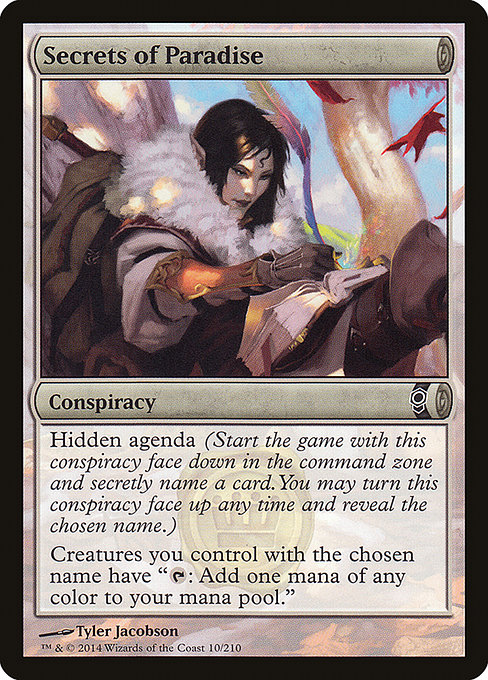
Cards with the Conspiracy type are designed for the multiplayer Conspiracy draft format and are banned in constructed play.
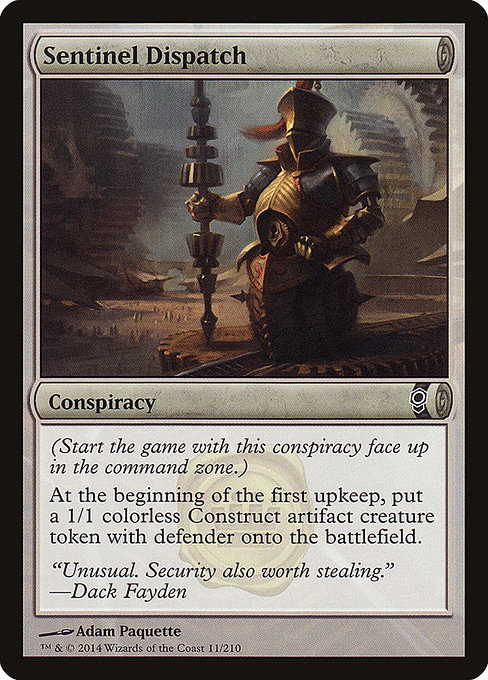
Cards with the Conspiracy type are designed for the multiplayer Conspiracy draft format and are banned in constructed play.
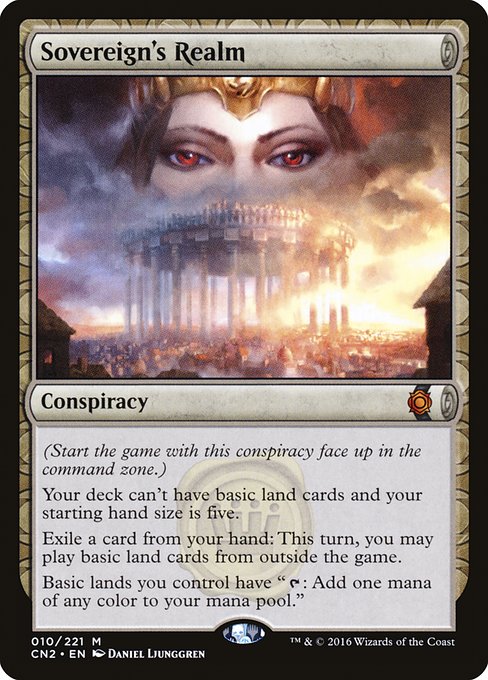
Cards with the Conspiracy type are designed for the multiplayer Conspiracy draft format and are banned in constructed play.
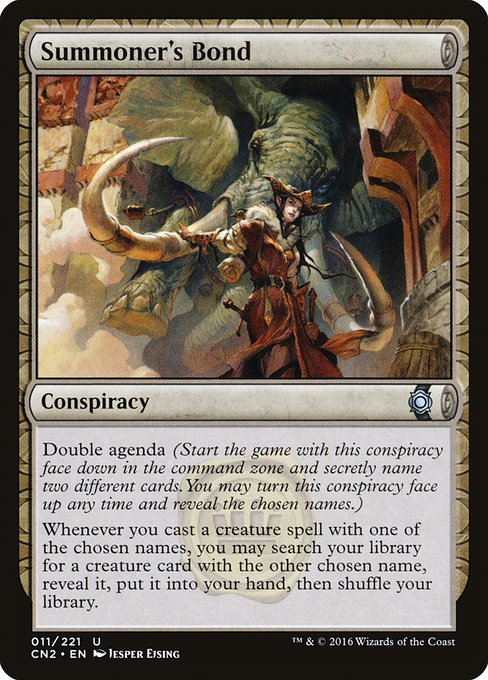
Cards with the Conspiracy type are designed for the multiplayer Conspiracy draft format and are banned in constructed play.
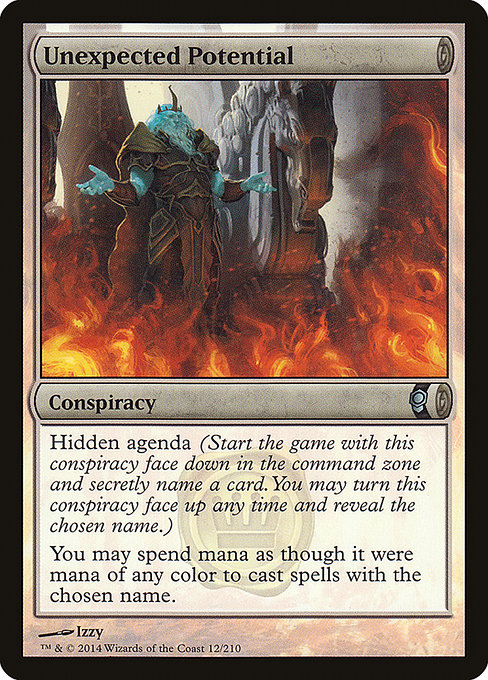
Cards with the Conspiracy type are designed for the multiplayer Conspiracy draft format and are banned in constructed play.
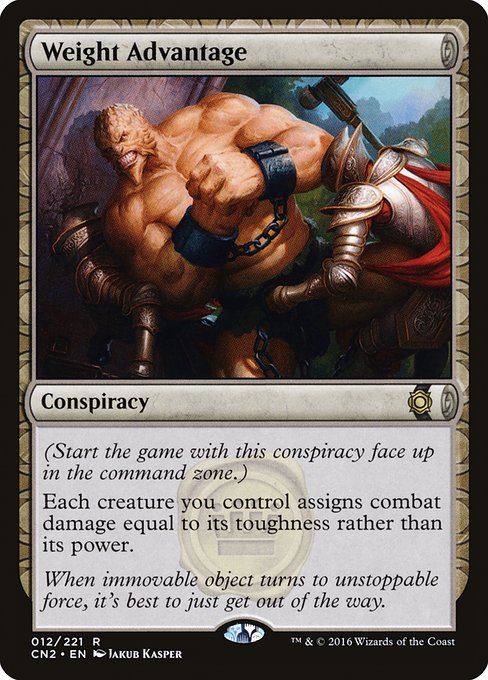
Cards with the Conspiracy type are designed for the multiplayer Conspiracy draft format and are banned in constructed play.
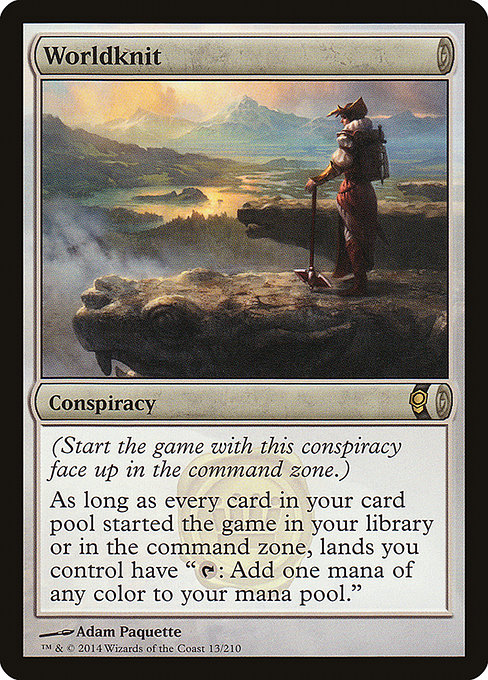
Cards with the Conspiracy type are designed for the multiplayer Conspiracy draft format and are banned in constructed play.
Ante cards · 9 cards
Cards that reference playing for ante are banned in every sanctioned format - playing for ante is gambling and is prohibited under tournament rules.
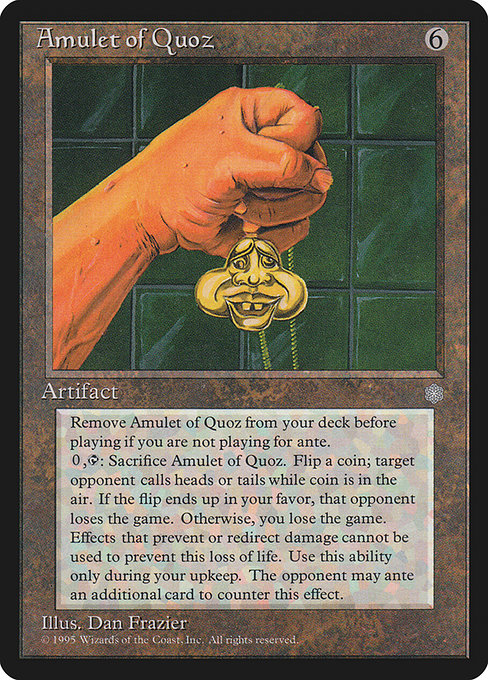
Cards that reference playing for ante are banned in every sanctioned format - playing for ante is gambling and is prohibited under tournament rules.
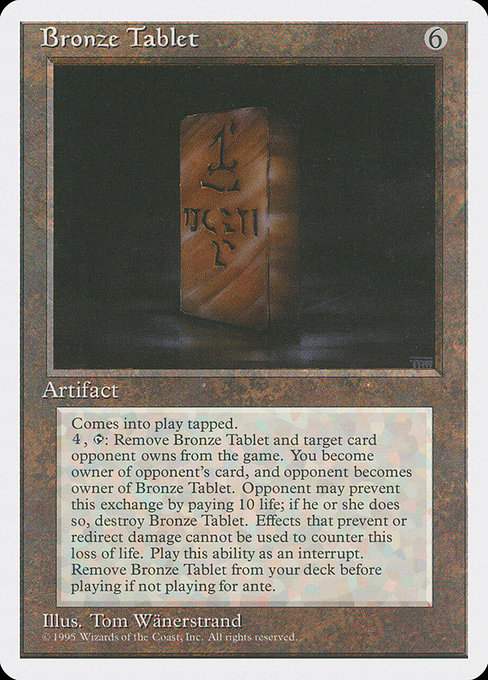
Cards that reference playing for ante are banned in every sanctioned format - playing for ante is gambling and is prohibited under tournament rules.
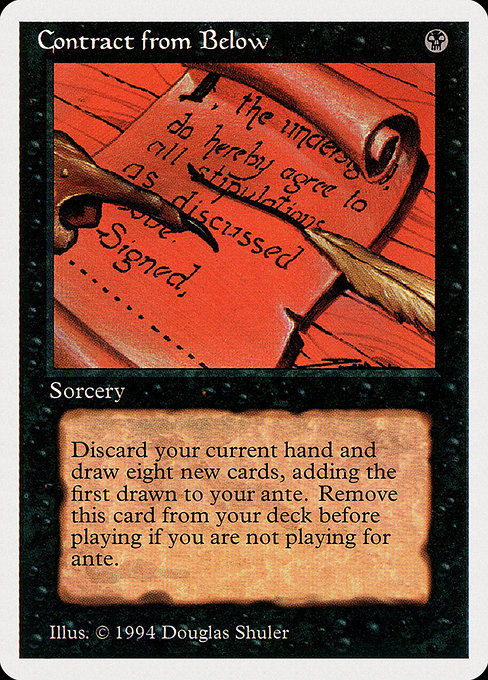
Cards that reference playing for ante are banned in every sanctioned format - playing for ante is gambling and is prohibited under tournament rules.
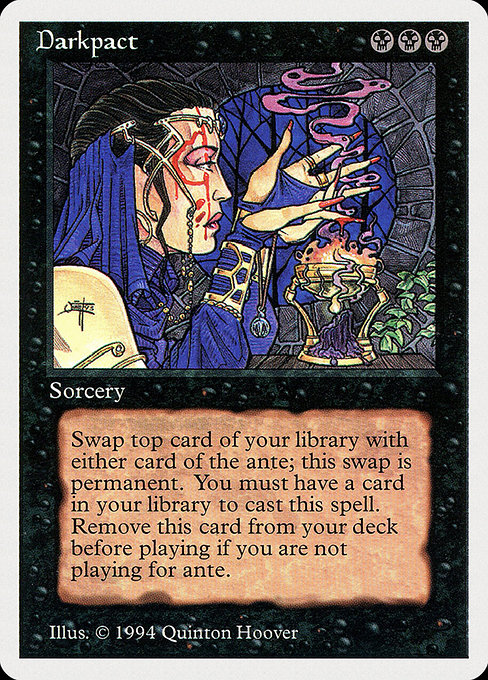
Cards that reference playing for ante are banned in every sanctioned format - playing for ante is gambling and is prohibited under tournament rules.
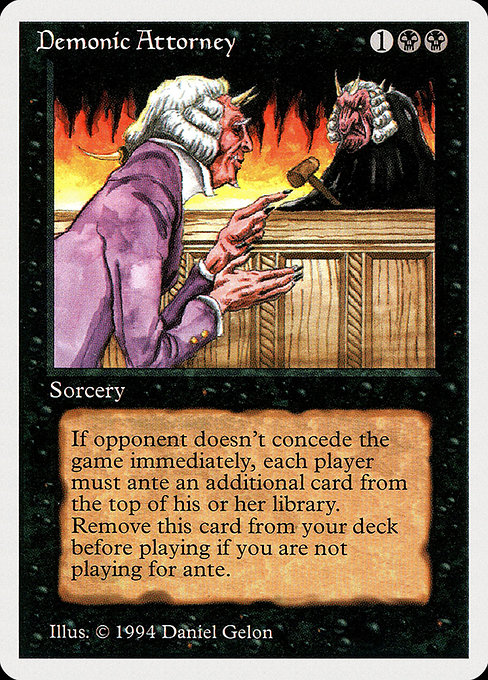
Cards that reference playing for ante are banned in every sanctioned format - playing for ante is gambling and is prohibited under tournament rules.
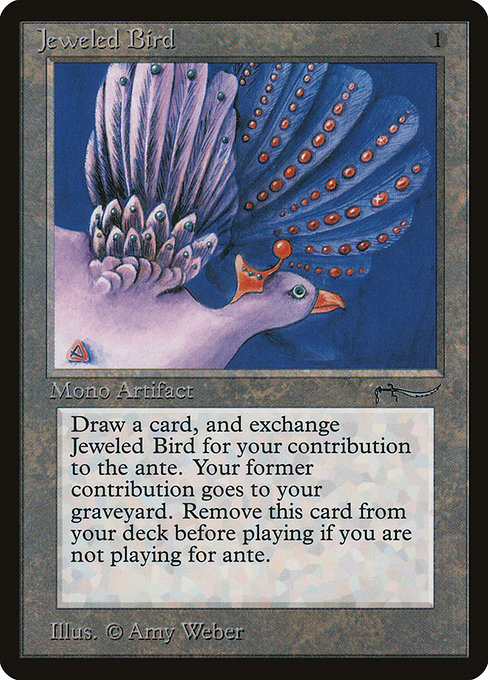
Cards that reference playing for ante are banned in every sanctioned format - playing for ante is gambling and is prohibited under tournament rules.
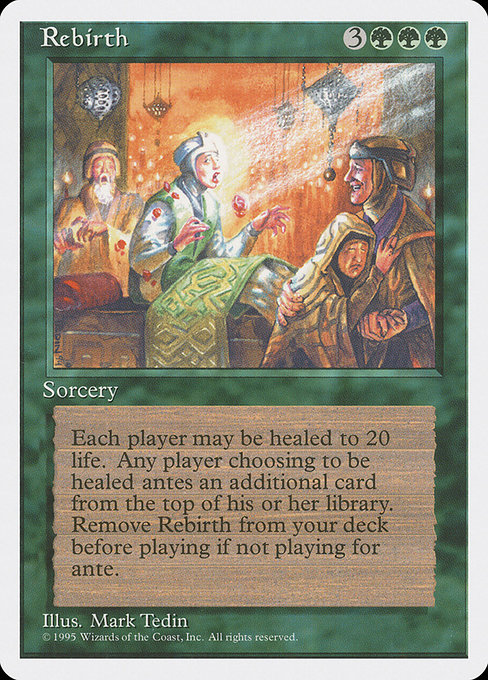
Cards that reference playing for ante are banned in every sanctioned format - playing for ante is gambling and is prohibited under tournament rules.
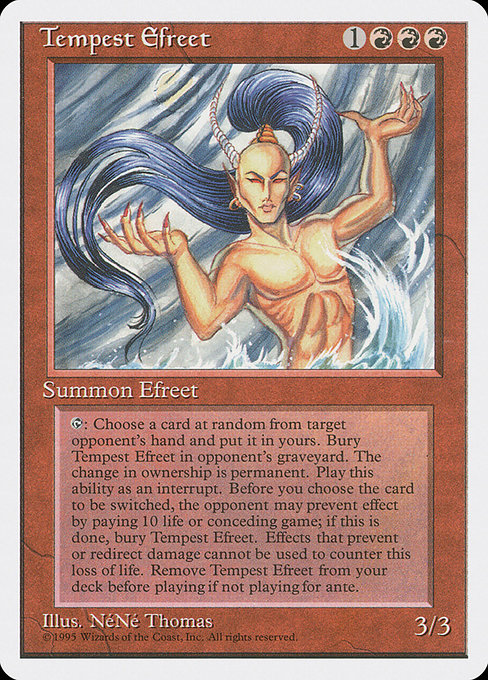
Cards that reference playing for ante are banned in every sanctioned format - playing for ante is gambling and is prohibited under tournament rules.
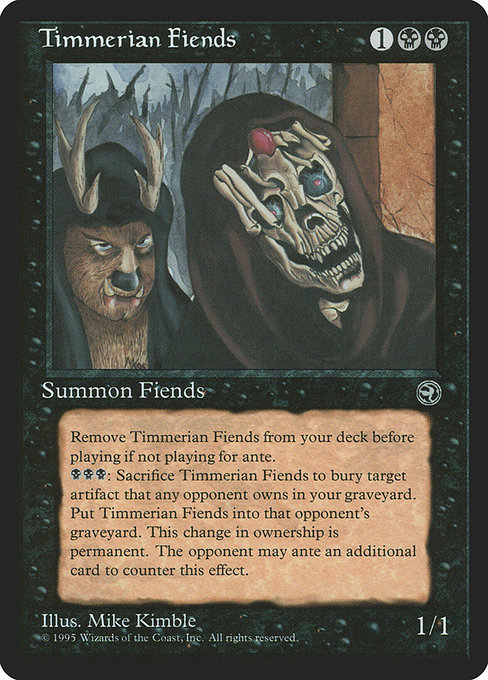
Cards that reference playing for ante are banned in every sanctioned format - playing for ante is gambling and is prohibited under tournament rules.
Culturally offensive cards · 7 cards
Cards whose art, text, or name are racially or culturally offensive are banned in all formats and removed from the Gatherer database. (June 10, 2020) - Announcement