Every card currently banned or restricted in Legacy, from the official Wizards Banned & Restricted list (as of August 10, 2026). Click a card to flip it and see when it was banned and why. Restricted means a deck may run at most one copy across maindeck and sideboard.
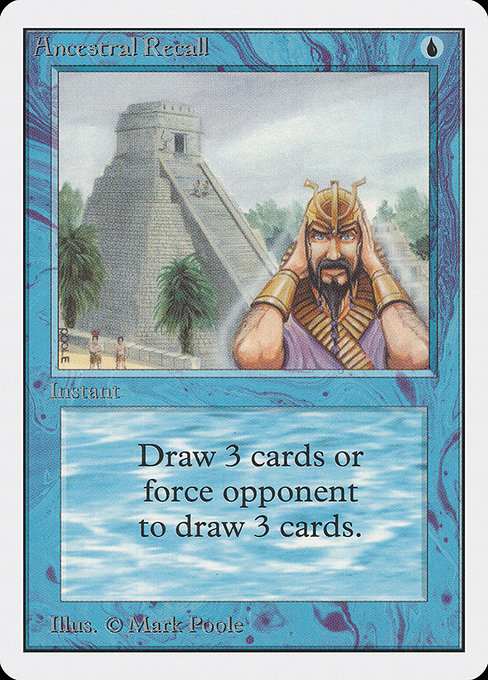
Banned since Legacy's creation - when the September 1, 2004 DCI announcement gave Legacy a banned list separate from Vintage, it carried over the old Type 1.5 rule that every card banned or restricted in Vintage was banned. It remains banned on power level as a Power Nine spell that draws three cards for one mana.
Announcement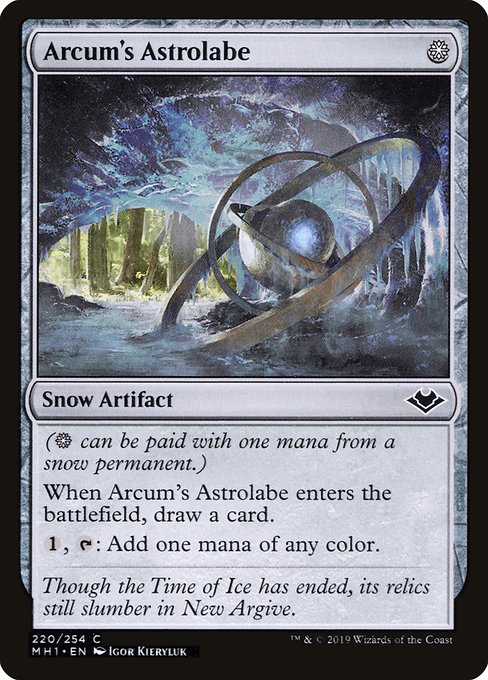
Banned because it let manabases achieve both high color flexibility and resilience to mana denial for a relatively low investment, removing a traditional Legacy deckbuilding tension. Wizards said this advantage concentrated power in a narrow class of decks and reduced format diversity.
Announcement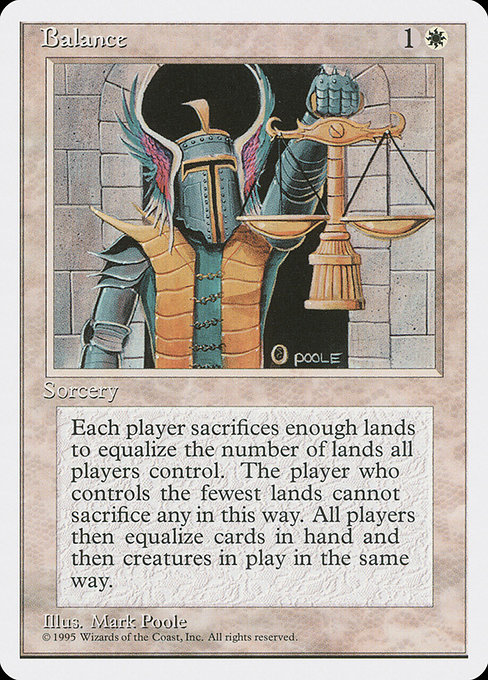
Banned since Legacy's creation - when the September 1, 2004 DCI announcement gave Legacy a banned list separate from Vintage, it carried over the old Type 1.5 rule that every card banned or restricted in Vintage was banned. It remains banned on power level as an undercosted symmetrical sweeper that is easily built to be one-sided.
Announcement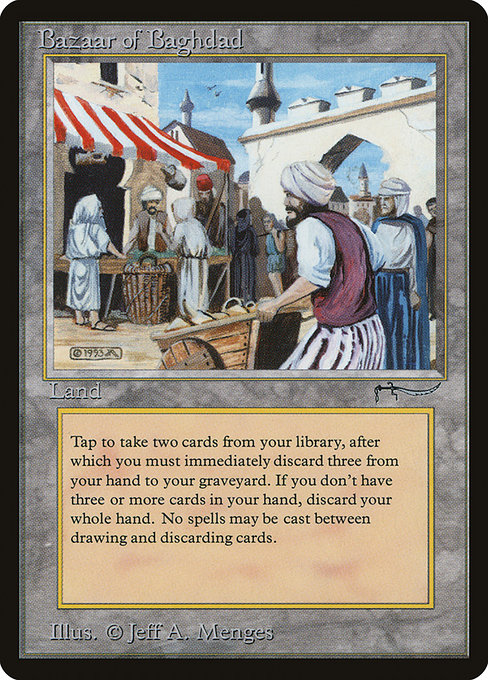
One of twelve cards newly banned in the September 1, 2004 DCI announcement that split Legacy's banned list from Vintage's, judged too powerful for the new format (changes effective September 20, 2004).
Announcement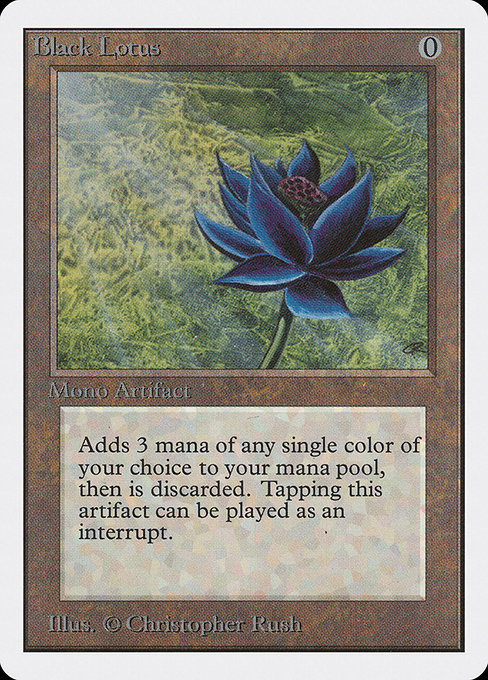
Banned since Legacy's creation - when the September 1, 2004 DCI announcement gave Legacy a banned list separate from Vintage, it carried over the old Type 1.5 rule that every card banned or restricted in Vintage was banned. It remains banned on power level as the Power Nine's free three-mana acceleration.
Announcement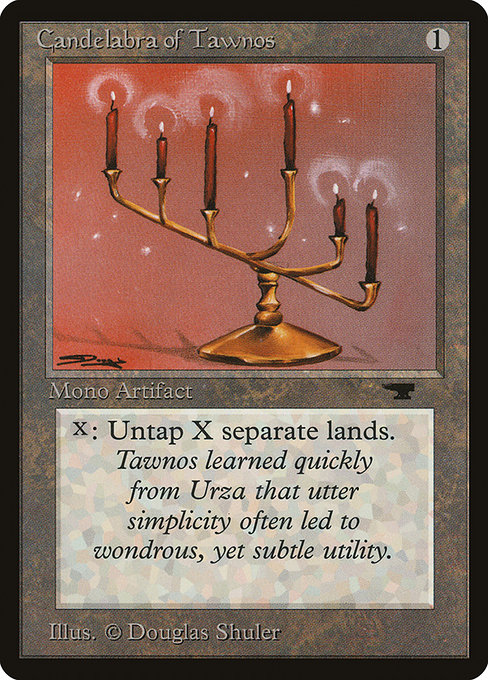
Wizards said it rarely shows up unless it is in a problematically strong combo deck, where it is often the highest value-above-replacement card, and banned it after Colorless Tron kept growing without weakening. They judged that trying to ban around Candelabra would produce similar situations in the future.
Announcement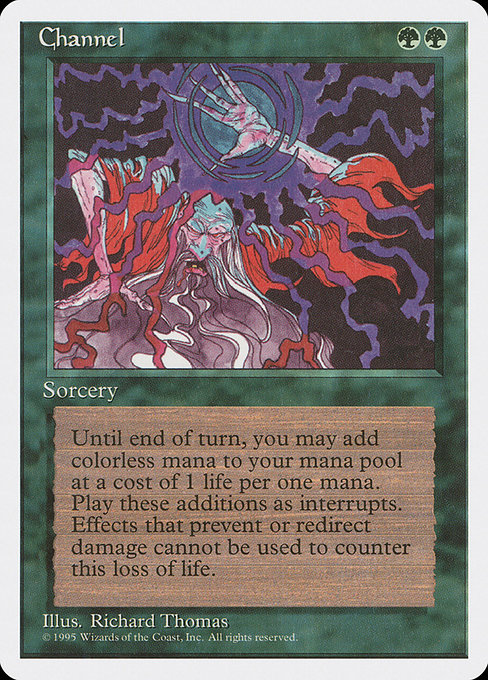
Banned since Legacy's creation - when the September 1, 2004 DCI announcement gave Legacy a banned list separate from Vintage, it carried over the old Type 1.5 rule that every card banned or restricted in Vintage was banned. It remains banned on power level for converting life into large amounts of mana, enabling extremely fast kills.
Announcement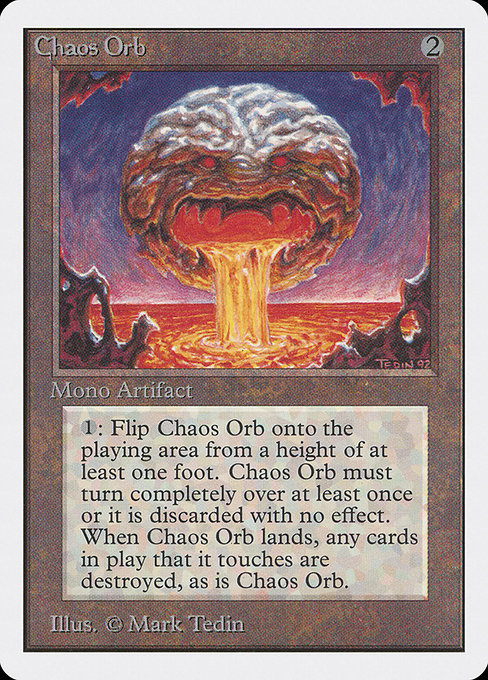
Banned since Legacy's creation, inherited from the Type 1.5/Vintage banned list. Dexterity cards that require physically flipping the card have long been banned in every DCI sanctioned format.
Announcement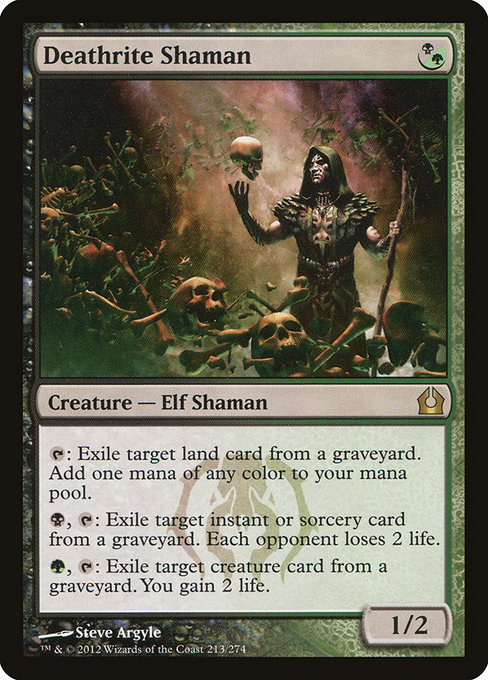
Banned for powering Grixis Delver, the format's most-played and best-performing deck, by fixing mana so decks could play up to four colors at little cost. Its built-in graveyard disruption also automatically protected against offbeat strategies like Dredge, reducing metagame diversity.
Announcement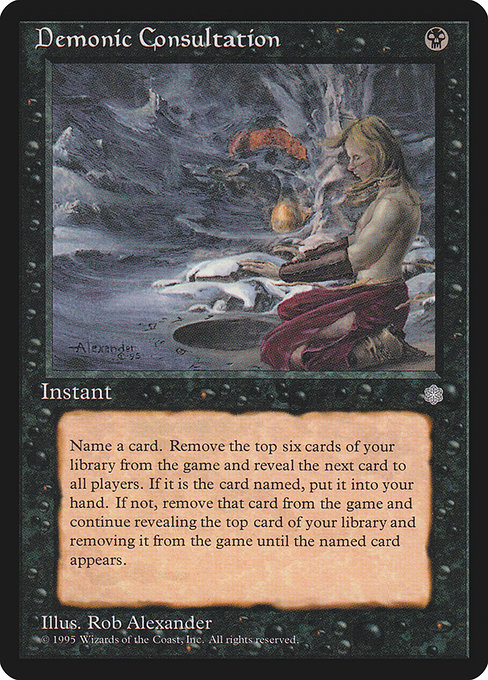
Restricted in Type 1 alongside Necropotence in the September 2000 DCI update, which automatically banned it in Type 1.5, Legacy's predecessor, as a one-mana tutor fueling Necropotence-based decks. It remained banned when Legacy's independent list was created in 2004.
Announcement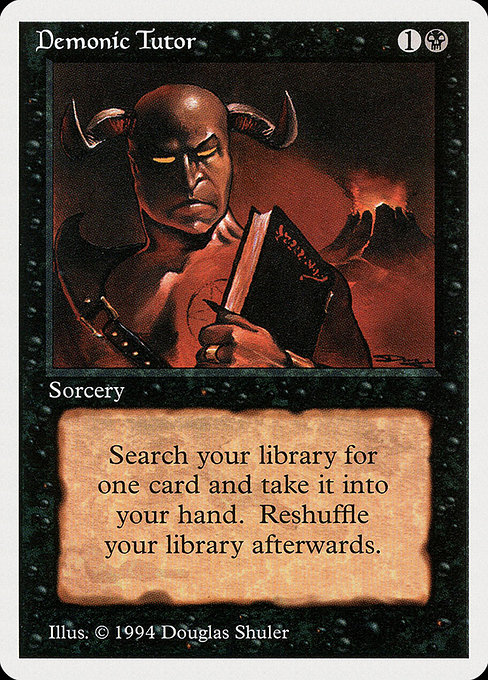
Banned since Legacy's creation - when the September 1, 2004 DCI announcement gave Legacy a banned list separate from Vintage, it carried over the old Type 1.5 rule that every card banned or restricted in Vintage was banned. It remains banned on power level as a two-mana tutor for any card, long restricted in Vintage.
Announcement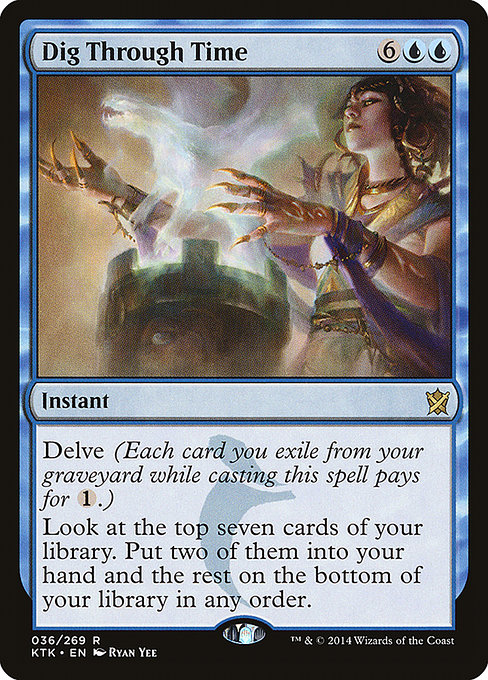
Banned because blue decks using Dig Through Time, along with various combo decks, had squeezed out other strategies, which lost too frequently once the blue decks could reload for two mana. Omni-Tell in particular used it to assemble Show and Tell plus Omniscience faster and with more resiliency.
Announcement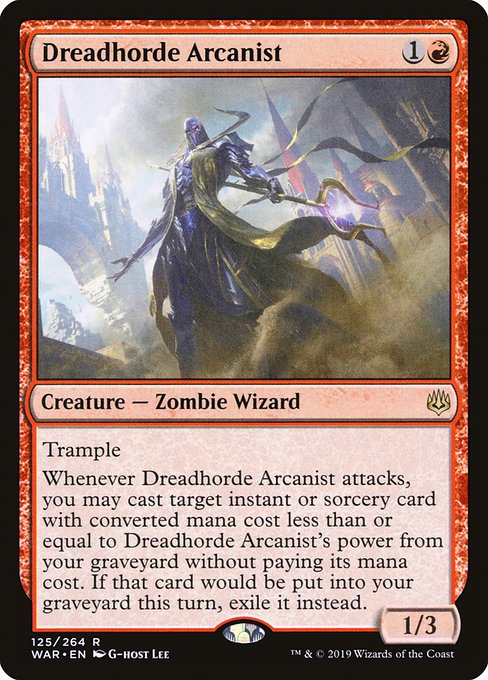
Banned for being game-defining in already-strong tempo strategies like Temur Delver, with Wizards saying too many games came down to whether the opponent could immediately remove it. With Oko no longer constraining the metagame, Arcanist decks were expected to become even more dominant.
Announcement
No ban details recorded.
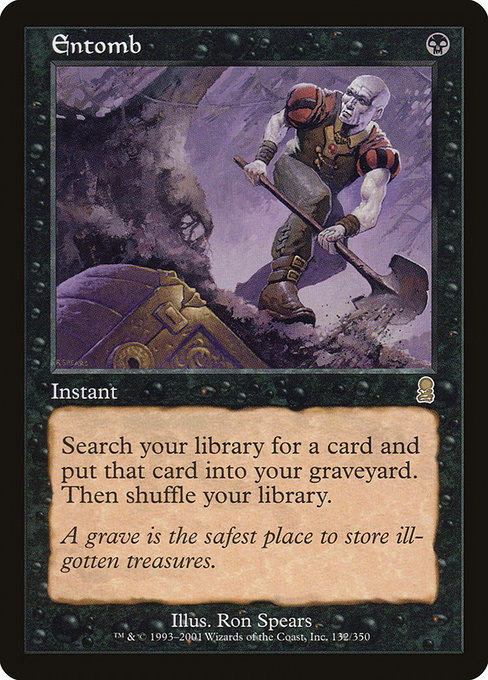
Banned because Dimir Reanimator had topped the Legacy metagame for years and survived earlier bans, with Entomb letting the deck switch freely between a robust fair game plan and putting one of the most powerful creatures ever printed straight into the graveyard. Wizards said the ban aims to separate decks that cheat big creatures into play from traditional decks rather than allow an easy hybrid of both.
Announcement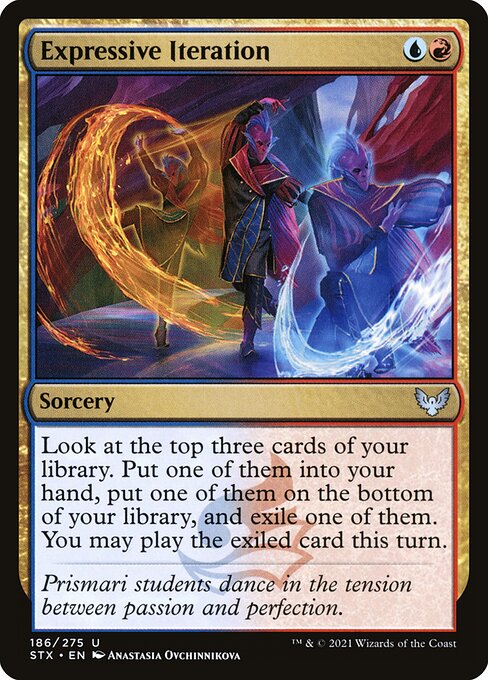
Banned because the card quality and quantity it provided let Izzet Delver, one of the format's two dominant archetypes, easily adapt to any metagame change and stay on top. Removing it was intended to restore the deck's historical vulnerabilities and open space for diversity.
Announcement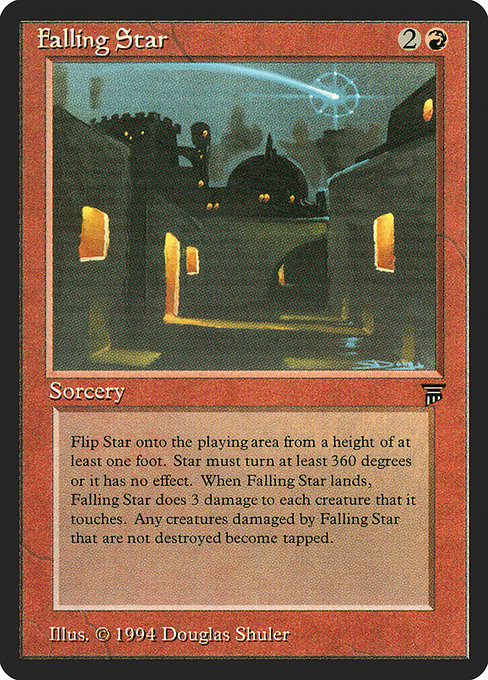
Banned since Legacy's creation, inherited from the Type 1.5/Vintage banned list. Dexterity cards that require physically flipping the card have long been banned in every DCI sanctioned format.
Announcement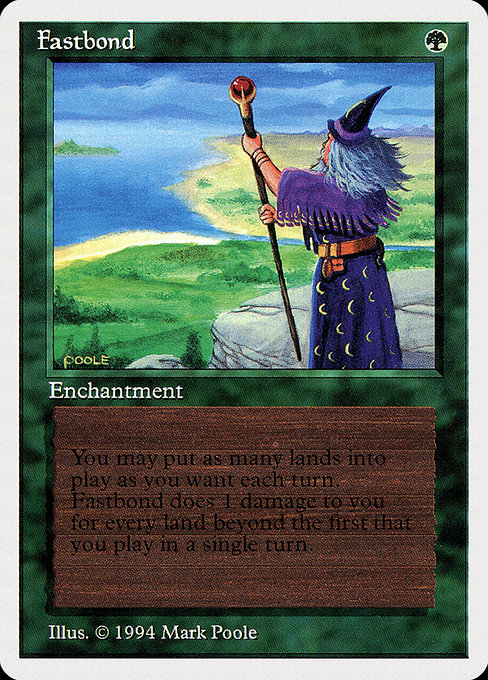
No ban details recorded.
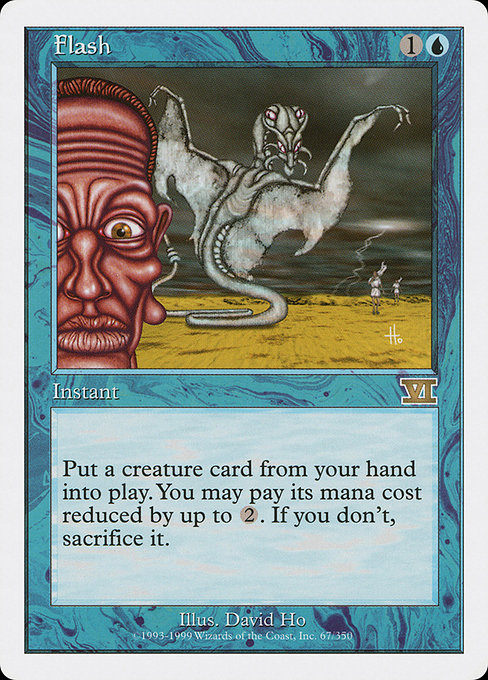
Banned by the June 1, 2007 DCI announcement because, combined with the newly printed Protean Hulk, the Flash-Hulk combo could win as early as the first turn, warping the format.
Announcement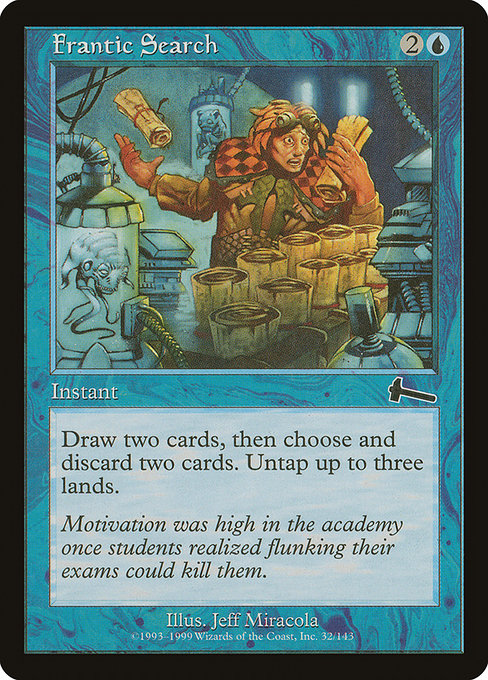
No ban details recorded.
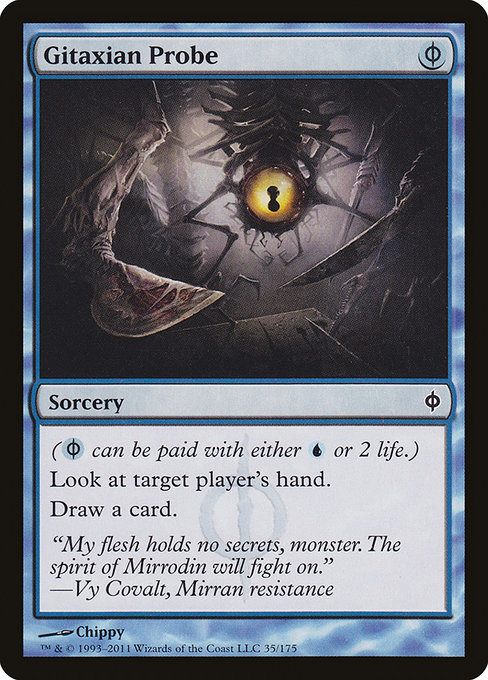
Banned because the perfect information it provided came at too low a cost, letting proactive decks know exactly when to play around counterspells and removal while undermining Legacy's bluffing elements. Its free spell count and graveyard filling also powered multiple top decks.
Announcement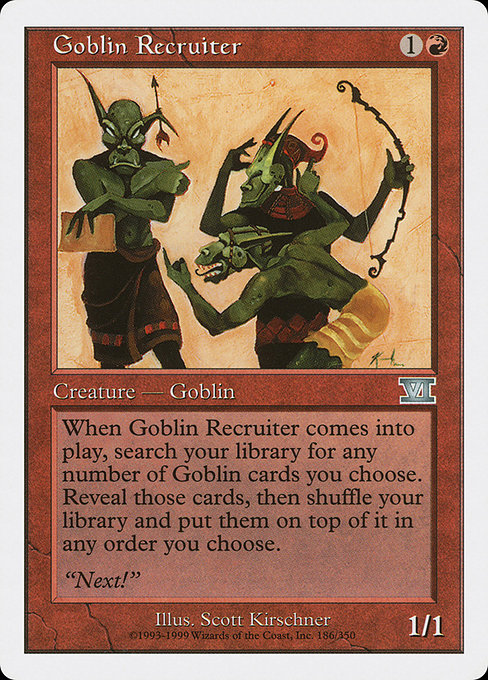
One of twelve cards newly banned in the September 1, 2004 DCI announcement that split Legacy's banned list from Vintage's, judged too powerful for the new format (changes effective September 20, 2004).
Announcement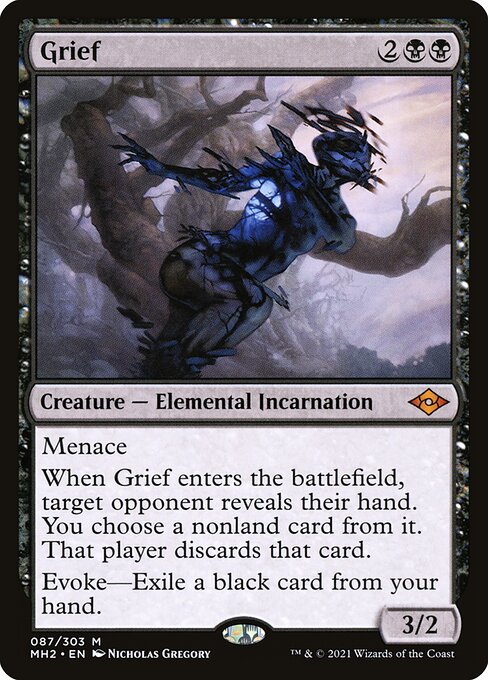
Banned because Dimir Reanimator's ever-growing dominance was built on abusing Grief's mana-free evoke with Reanimate and Animate Dead backed by Daze and Force of Will, preventing opponents from casting their spells. Wizards concluded Legacy had not been able to self-correct against the Grief-plus-Reanimate combination.
Announcement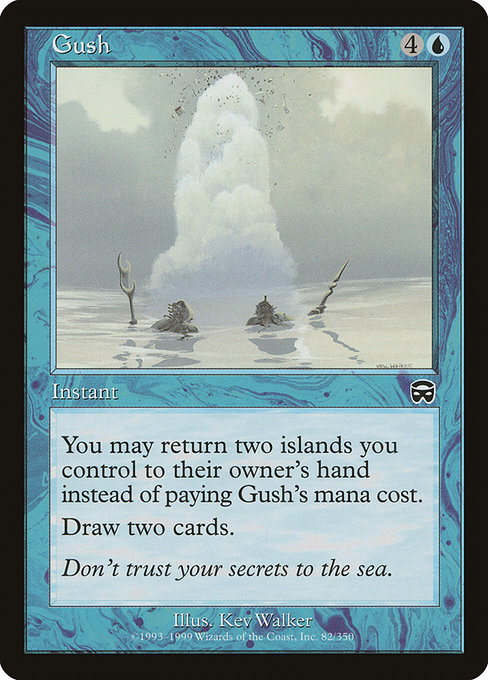
Restricted in Type 1 in June 2003 after the Gush-powered Grow-A-Tog (GAT) deck's explosion onto the Type 1 metagame, which automatically banned it in Type 1.5, Legacy's predecessor. It remained banned when Legacy's independent list was created in 2004.
Announcement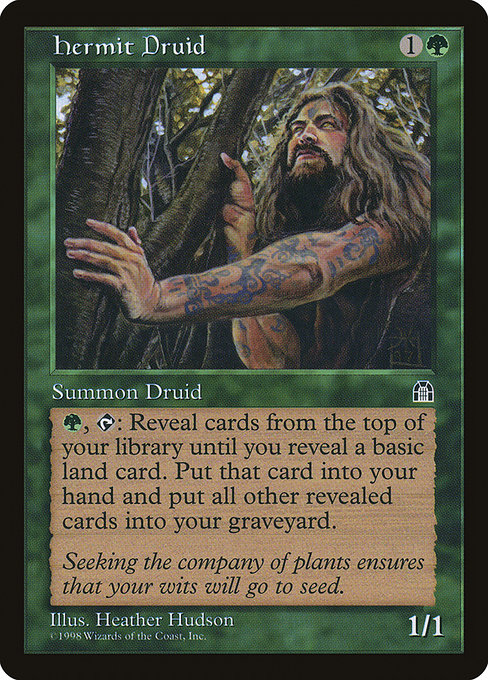
One of twelve cards newly banned in the September 1, 2004 DCI announcement that split Legacy's banned list from Vintage's, judged too powerful for the new format (changes effective September 20, 2004).
Announcement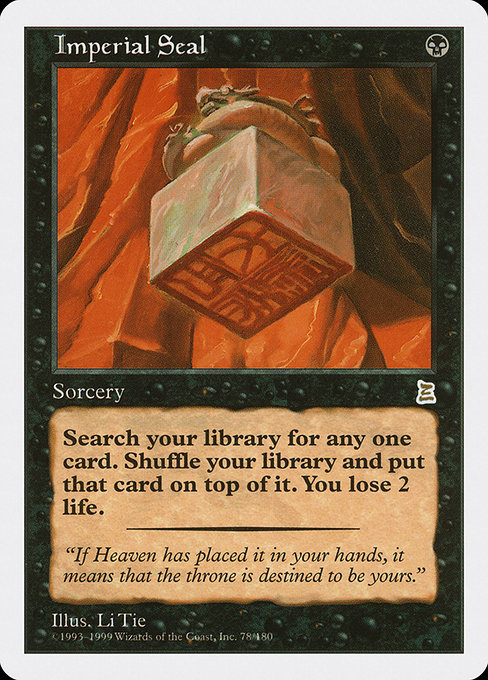
Banned in the September 2005 announcement that made Portal and Starter sets tournament-legal (effective October 20, 2005), as a functional near-duplicate of the already-restricted Vampiric Tutor. It entered the Legacy banned list preemptively rather than through tournament results.
Announcement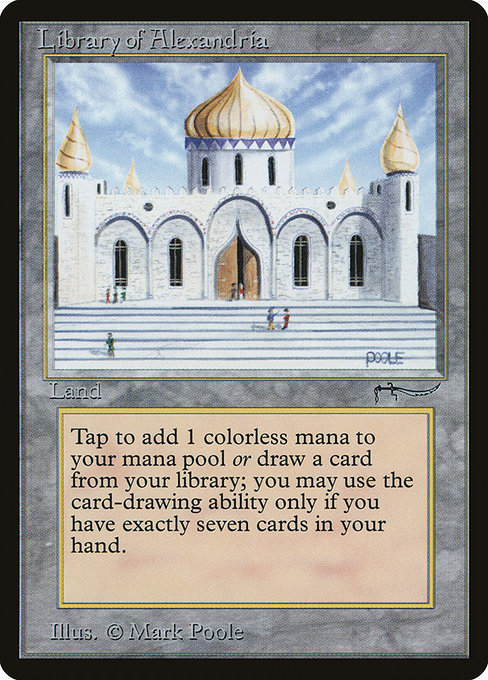
Banned since Legacy's creation - when the September 1, 2004 DCI announcement gave Legacy a banned list separate from Vintage, it carried over the old Type 1.5 rule that every card banned or restricted in Vintage was banned. It remains banned on power level as a land generating repeatable free card advantage.
Announcement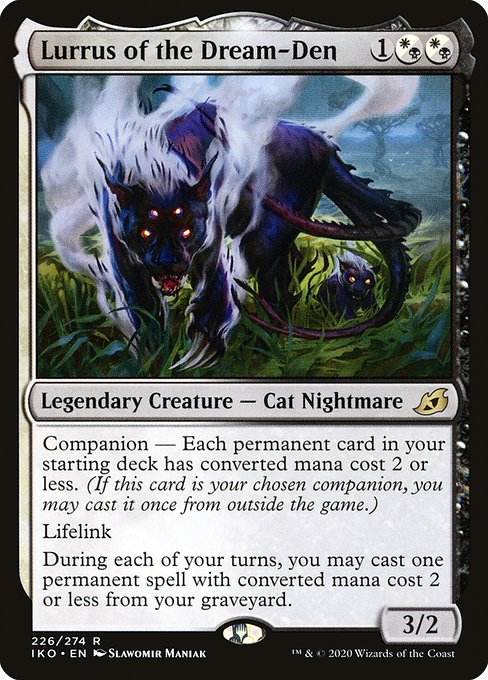
Banned because the companion mechanic's deckbuilding cost was too low relative to the payoff in a format full of cheap, powerful permanents, and Lurrus decks collectively became too prevalent. Wizards saw no indication the trend would shift on its own.
Announcement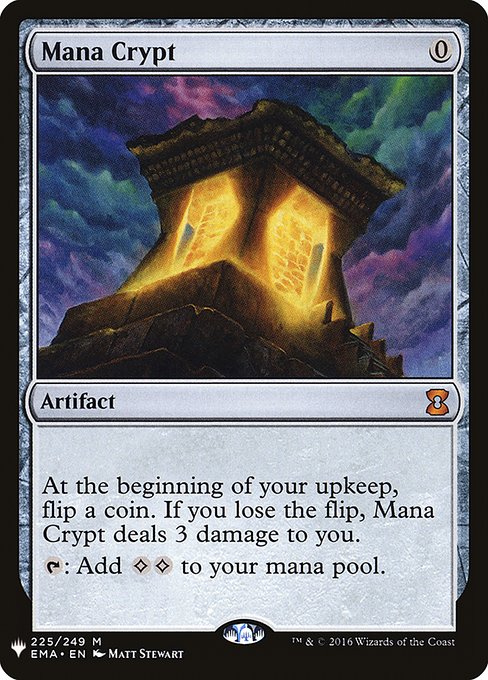
No ban details recorded.
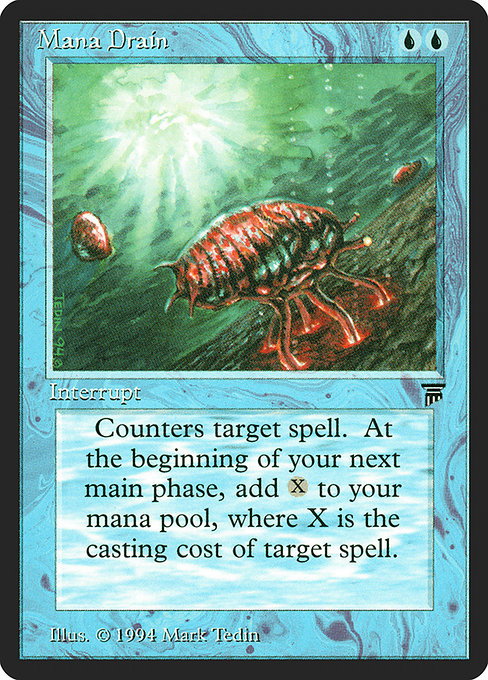
One of twelve cards newly banned in the September 1, 2004 DCI announcement that split Legacy's banned list from Vintage's, judged too powerful for the new format (changes effective September 20, 2004).
Announcement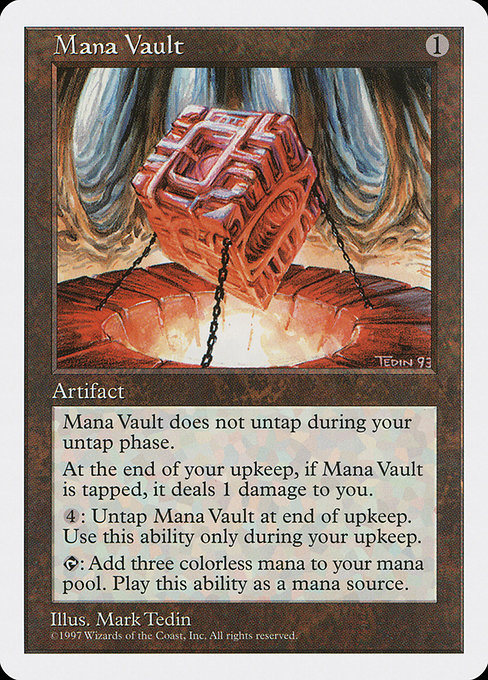
No ban details recorded.
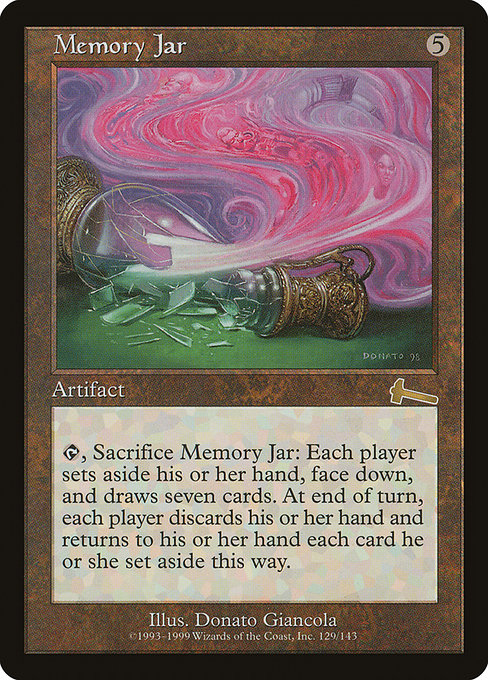
No ban details recorded.
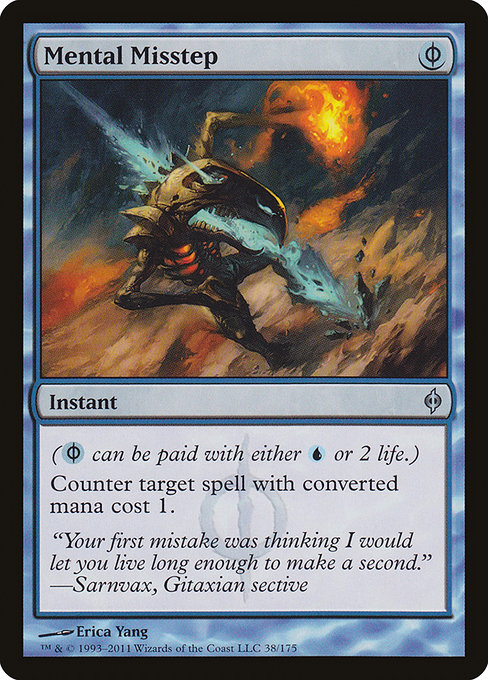
Banned because instead of helping nonblue decks fight combo and Brainstorm decks as designed, it became a near-automatic four-of that benefited blue decks most and suppressed one-mana spells across the format. The DCI banned it hoping to restore the more diverse metagame that existed before its printing.
Announcement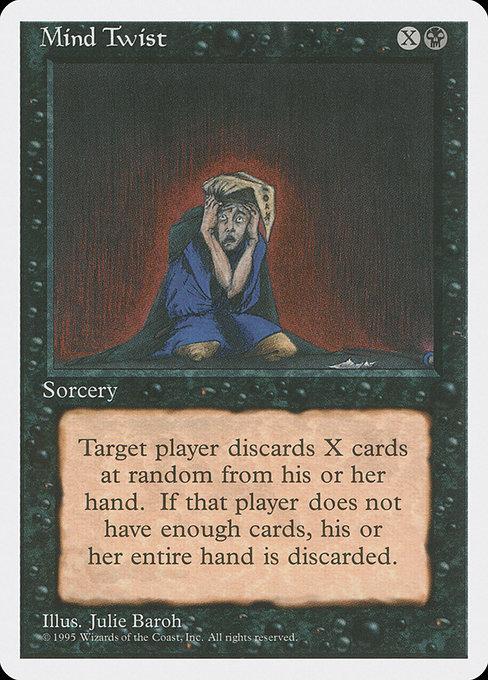
Banned since Legacy's creation - when the September 1, 2004 DCI announcement gave Legacy a banned list separate from Vintage, it carried over the old Type 1.5 rule that every card banned or restricted in Vintage was banned. It remains banned on power level as an X-cost mass hand-destruction spell long restricted in Vintage.
Announcement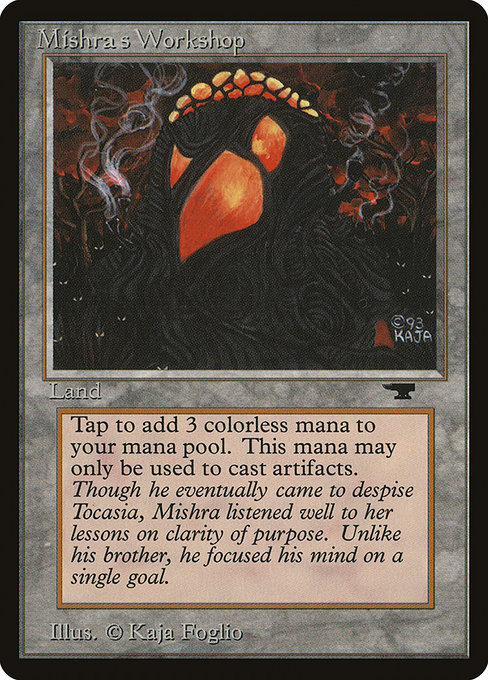
One of twelve cards newly banned in the September 1, 2004 DCI announcement that split Legacy's banned list from Vintage's, judged too powerful for the new format (changes effective September 20, 2004).
Announcement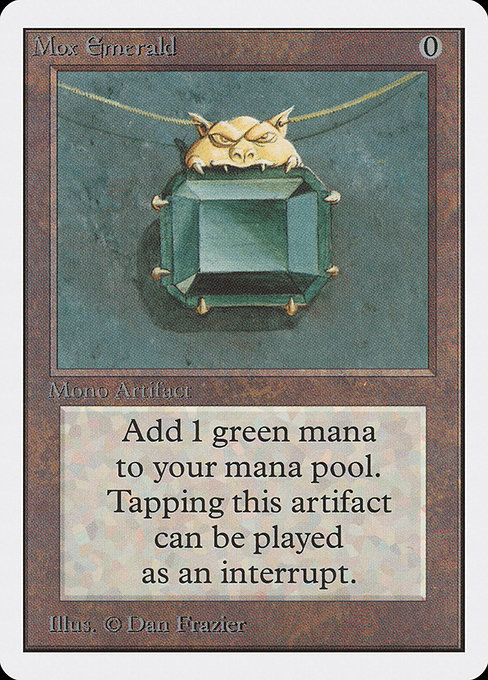
Banned since Legacy's creation - when the September 1, 2004 DCI announcement gave Legacy a banned list separate from Vintage, it carried over the old Type 1.5 rule that every card banned or restricted in Vintage was banned. It remains banned on power level as one of the Power Nine's zero-cost Mox mana artifacts.
Announcement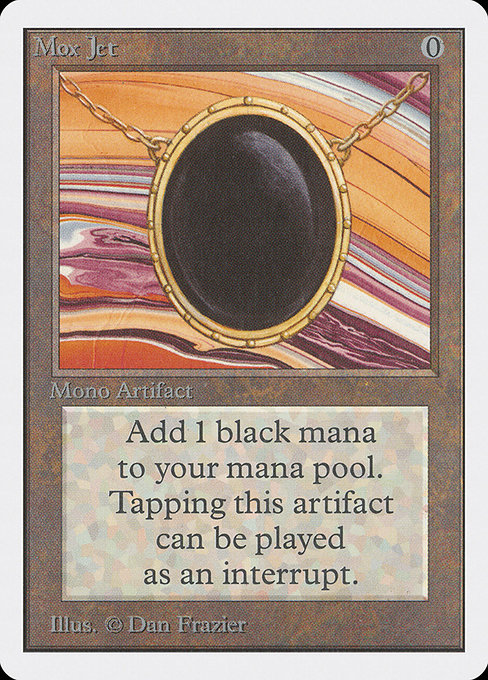
Banned since Legacy's creation - when the DCI split the Type 1.5 banned list from Vintage on September 1, 2004, the fast-mana Moxes, restricted in Vintage since the original 1994 DCI list and therefore automatically banned in Type 1.5, were kept on the new format's complete banned list.
Announcement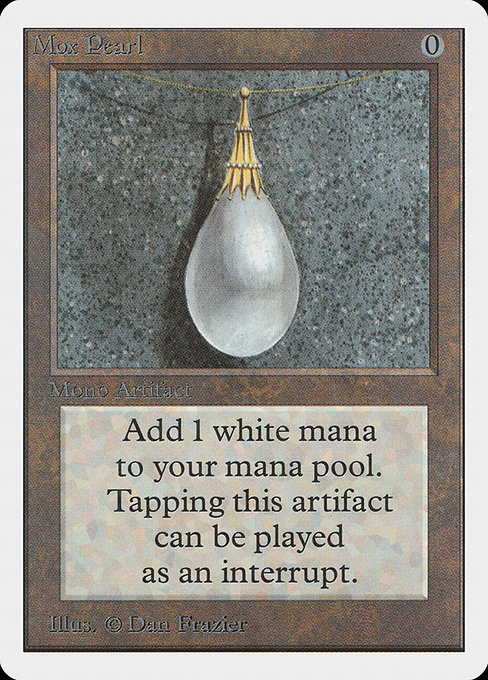
Banned since Legacy's creation - when the DCI split the Type 1.5 banned list from Vintage on September 1, 2004, the fast-mana Moxes, restricted in Vintage since the original 1994 DCI list and therefore automatically banned in Type 1.5, were kept on the new format's complete banned list.
Announcement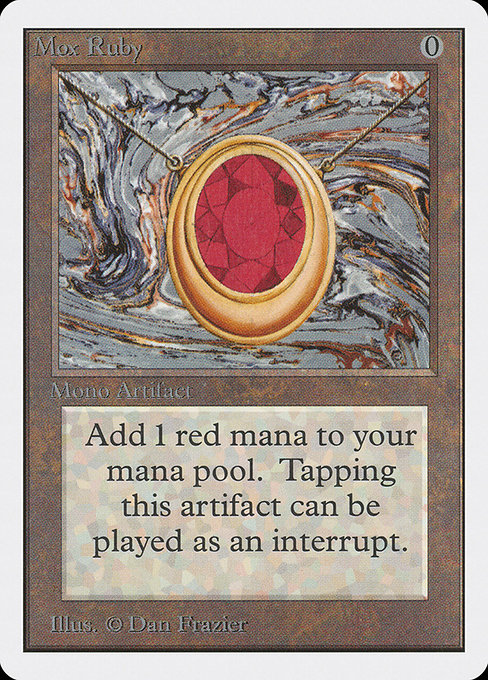
Banned since Legacy's creation - when the DCI split the Type 1.5 banned list from Vintage on September 1, 2004, the fast-mana Moxes, restricted in Vintage since the original 1994 DCI list and therefore automatically banned in Type 1.5, were kept on the new format's complete banned list.
Announcement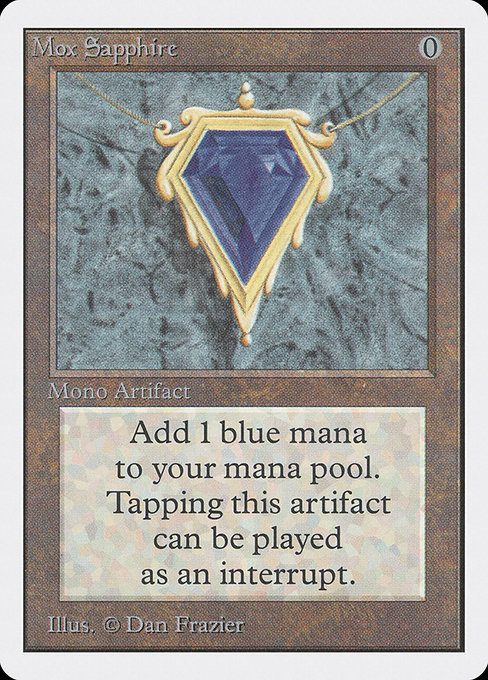
Banned since Legacy's creation - when the DCI split the Type 1.5 banned list from Vintage on September 1, 2004, the fast-mana Moxes, restricted in Vintage since the original 1994 DCI list and therefore automatically banned in Type 1.5, were kept on the new format's complete banned list.
Announcement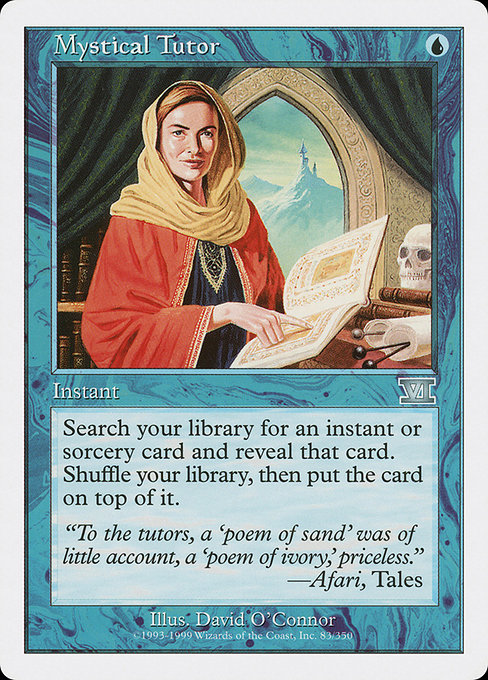
Banned in the June 18, 2010 update to slow Legacy's fastest combo decks; the ban targeted the consistency Mystical Tutor gave Reanimator and Ad Nauseam Tendrils, which were considered too fast and too consistent for the rest of the format.
Announcement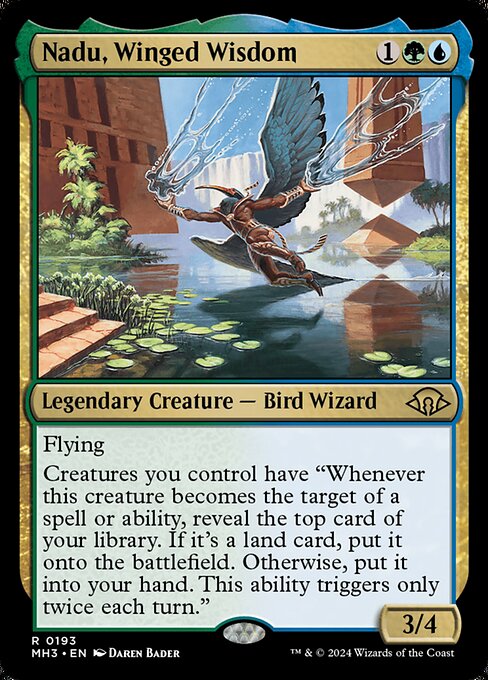
Banned as a power-level outlier whose midrange Nadu decks (with Nomads en-Kor, Endurance, and Scythecat Cub) went over the top of opponents in long, non-deterministic combo-like turns that were hard to interact with and physically awkward to represent. Wizards cited strong results combined with undesirable play patterns and resistance to traditional hate.
Announcement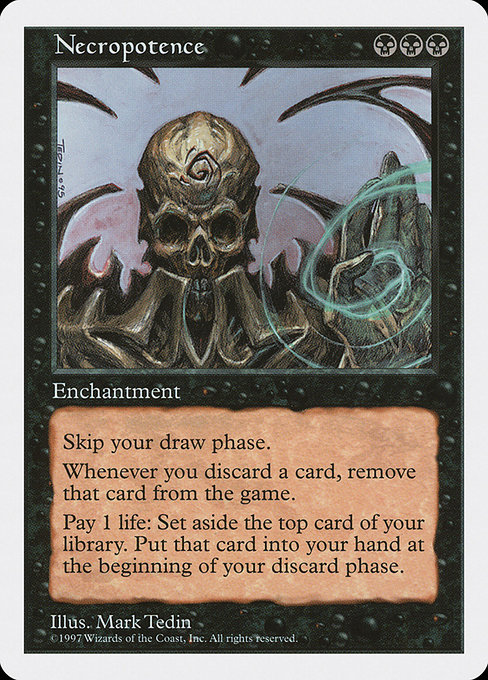
Restricted in Type 1 and therefore banned in the linked Type 1.5 list on September 1, 2000, after becoming increasingly dominant as the format's preeminent card-drawing engine. The DCI judged the swing it introduced to be on par with cards already restricted.
Announcement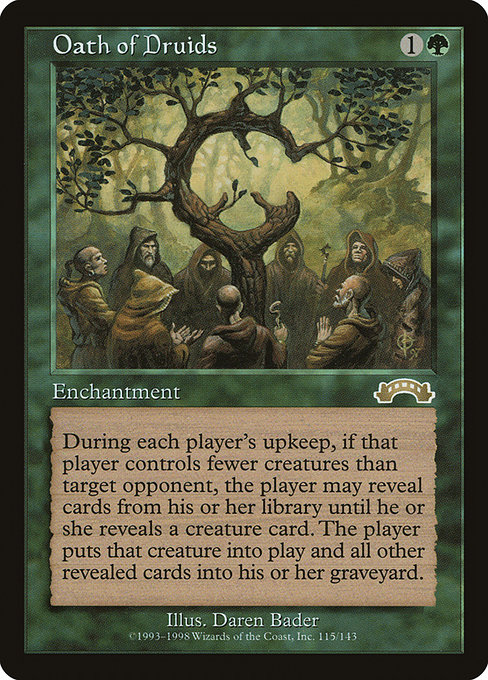
One of twelve cards not on the Type 1 restricted list that the DCI newly banned on September 1, 2004, when it separated the Legacy (then Type 1.5) banned list from Vintage's; the announcement gave no per-card rationale.
Announcement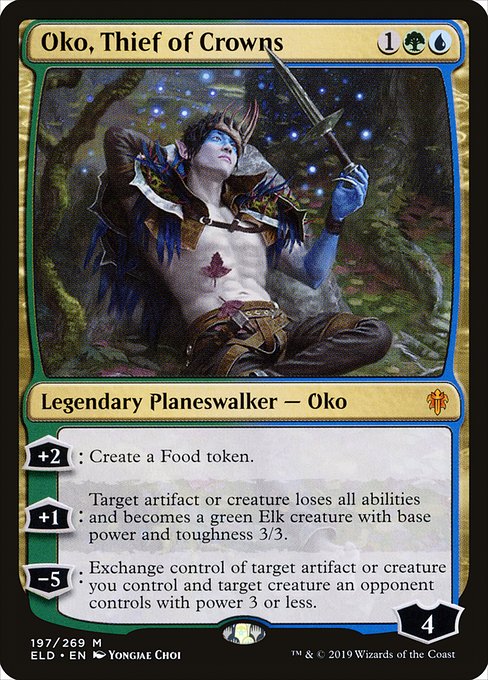
Banned as a major metagame presence and contributor to lower diversity - its power and flexibility provided an easy answer even to unanticipated threats and homogenized gameplay patterns across many decks.
Announcement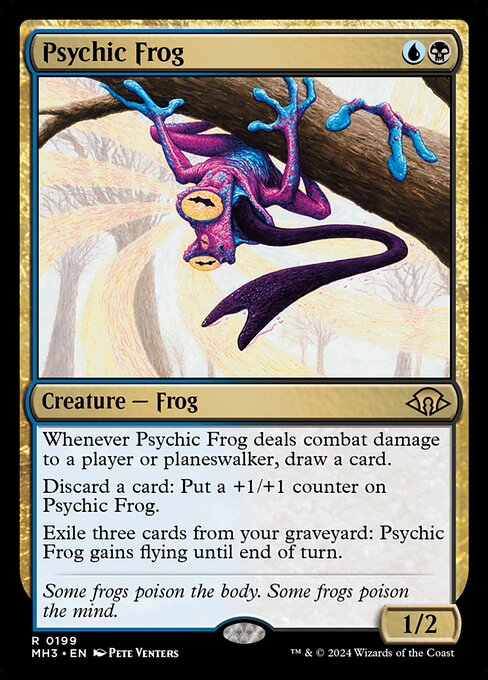
Banned to address Dimir Reanimator's dominance (roughly double the play rate of other strategies), since Psychic Frog played extremely well in reanimator shells as a threat that had to be answered. The ban also aimed to restore diversity among blue tempo decks that had consolidated around the card.
Announcement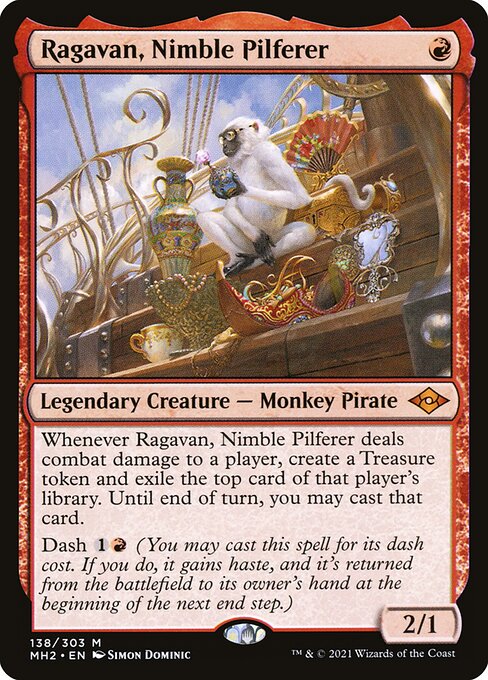
Banned because Blue-Red Delver was dominating Legacy far ahead of every other archetype, with games snowballing from an early Ragavan protected by Daze and Force of Will. The ban aimed to weaken the deck and encourage more back-and-forth games.
Announcement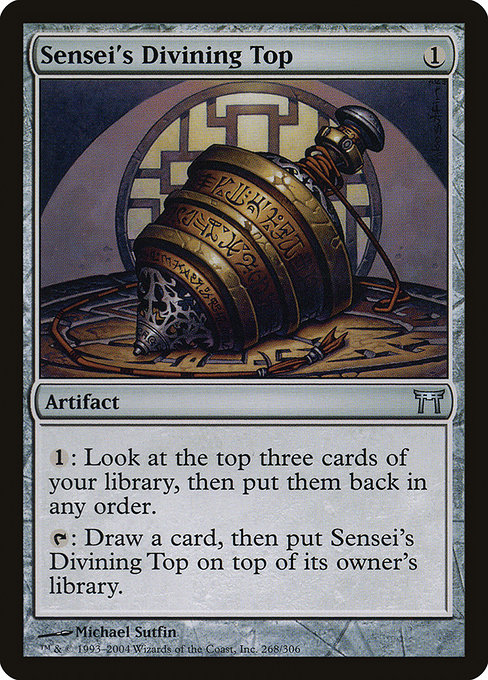
Banned because the Counterbalance-Top Miracles deck had been the format's best deck for some time, and because repeated Top activations slowed match play and led to tournament delays.
Announcement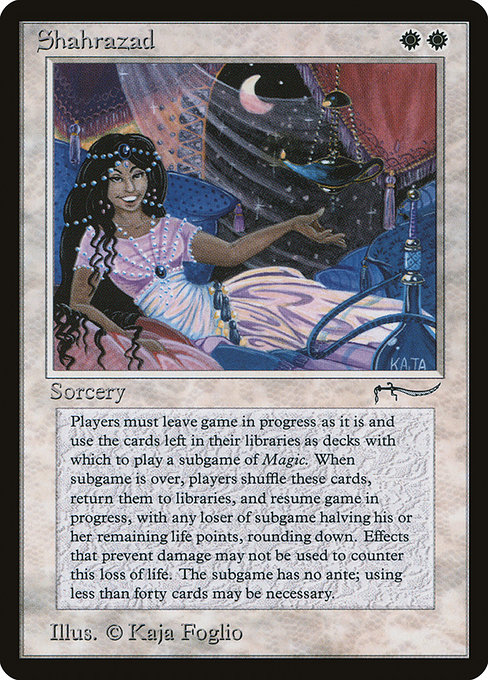
Banned (alongside Vintage) for tournament logistics rather than power level - the DCI's Organized Play department requested the ban because Shahrazad's subgames, which can be nested and repeated, require more time than tournament rounds allow.
Announcement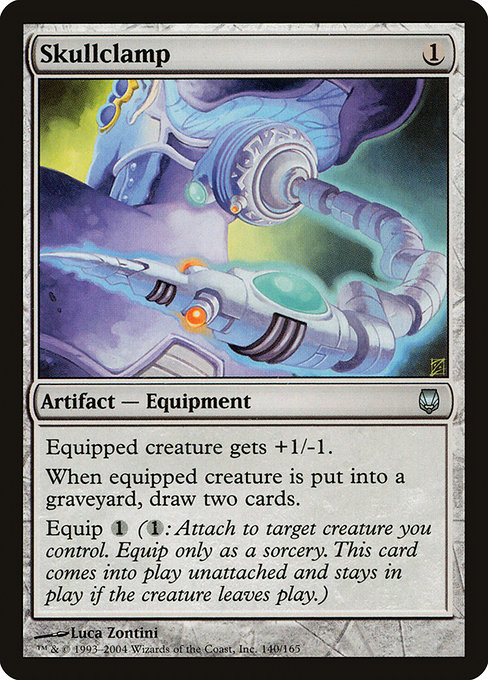
Newly banned on September 1, 2004, when the DCI created Legacy's separate banned list - the same announcement that banned it in Extended, following its earlier Standard and Mirrodin Block bans; no per-card rationale was given for the Legacy list.
Announcement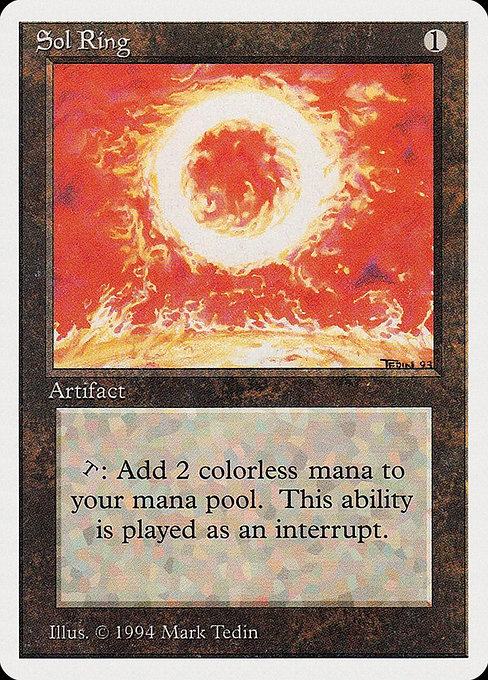
Banned since Legacy's creation - a fast-mana artifact restricted in Vintage since the original 1994 DCI list and therefore automatically banned in Type 1.5, it was kept on the complete banned list when the DCI split Legacy's list from Vintage on September 1, 2004.
Announcement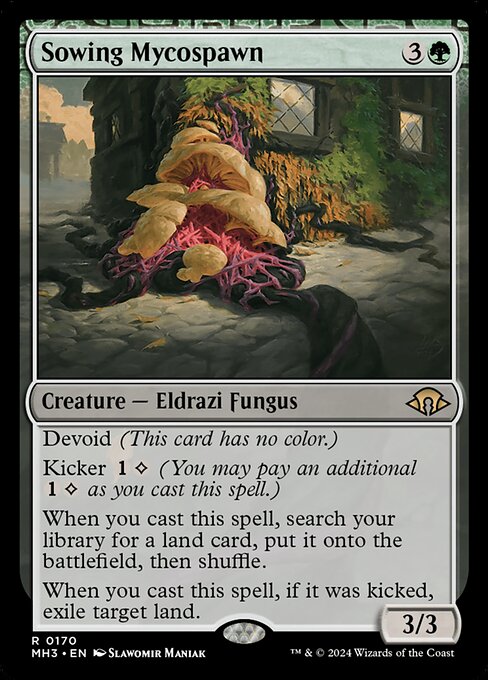
Banned for being too effective at attacking lands in colorless Eldrazi strategies, fetching cards like Eye of Ugin and, most critically, targeting basic lands, which are meant to be a reliable out to land hate. Its prevalence compressed games to the first handful of turns.
Announcement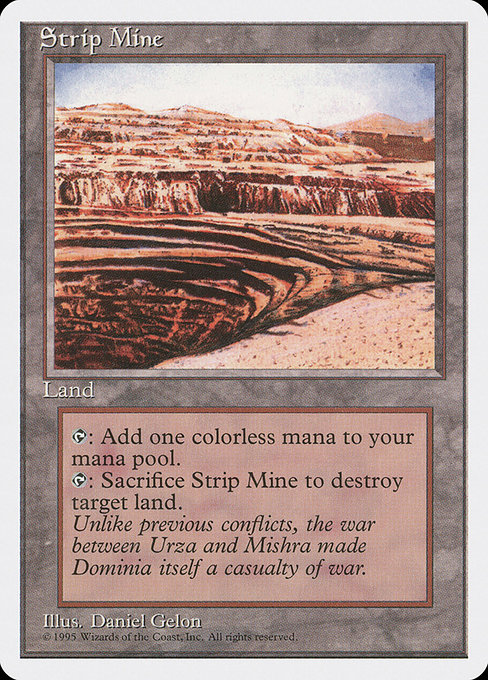
No ban details recorded.
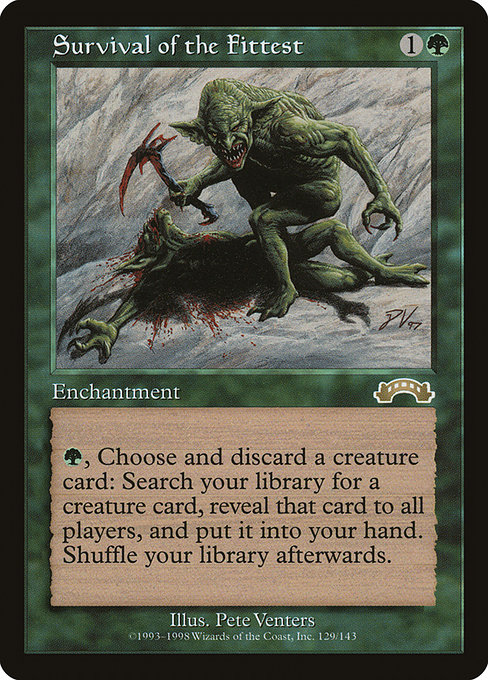
Banned after Vengevine-powered Survival decks rose to dominance; R&D's Erik Lauer explained that Survival of the Fittest decks had been outperforming other Legacy decks in recent months, causing the competitive format to become significantly less diverse.
Announcement
Banned in the August 10, 2026 announcement, which gave no written reasoning and deferred discussion of the change to WeeklyMTG. The same update restricted the card in Vintage.
Announcement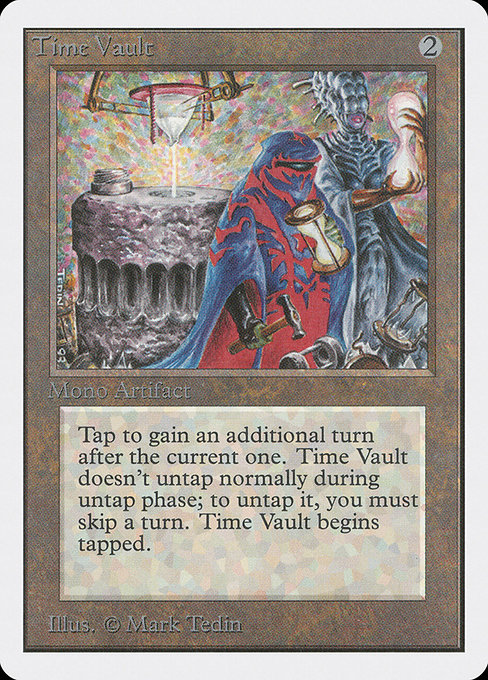
Banned in the September 1, 2008 update, in which the DCI announced that Time Vault's power-level errata would be removed in the next Oracle update, restoring its original turn-taking functionality; it was banned in Legacy and restricted in Vintage in the same announcement.
Announcement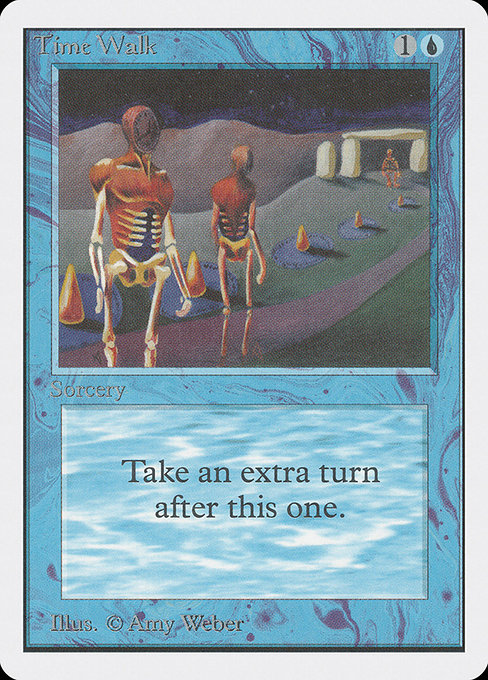
Banned since Legacy's creation - a Power Nine card restricted in Vintage since the original 1994 DCI list and therefore automatically banned in Type 1.5, it was kept on the complete banned list when the DCI split Legacy's list from Vintage on September 1, 2004.
Announcement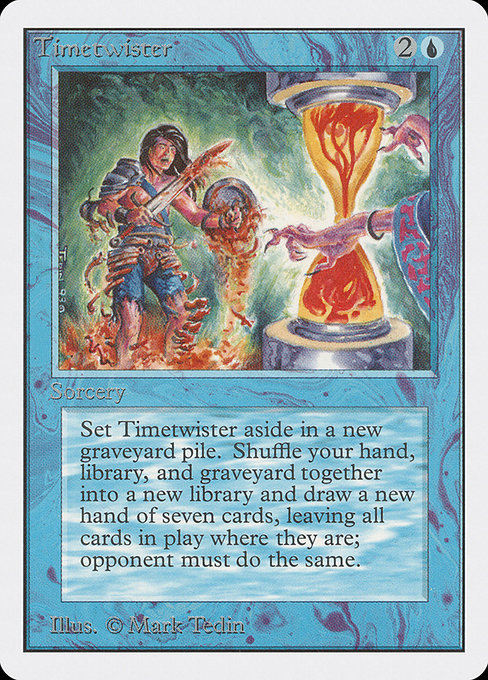
Banned since Legacy's creation - a Power Nine card restricted in Vintage since the original 1994 DCI list and therefore automatically banned in Type 1.5, it was kept on the complete banned list when the DCI split Legacy's list from Vintage on September 1, 2004.
Announcement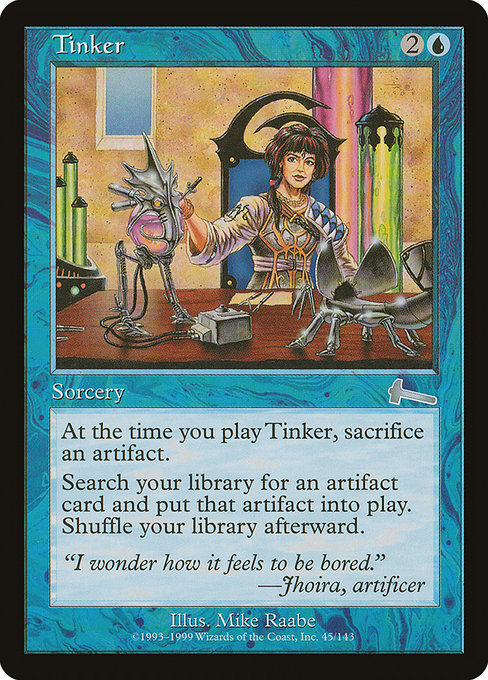
No ban details recorded.
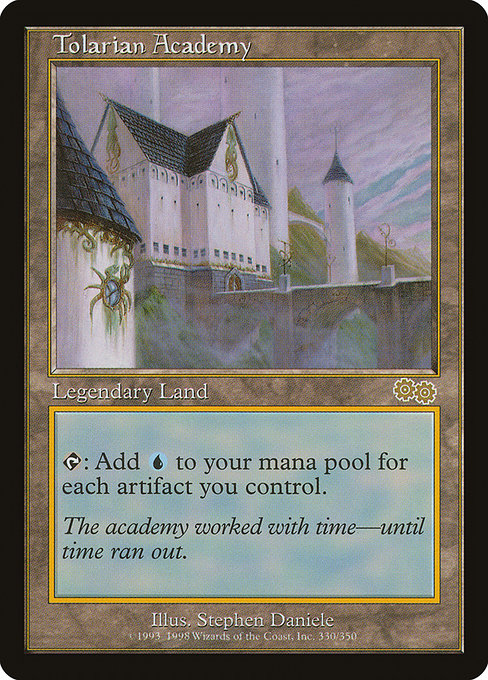
No ban details recorded.
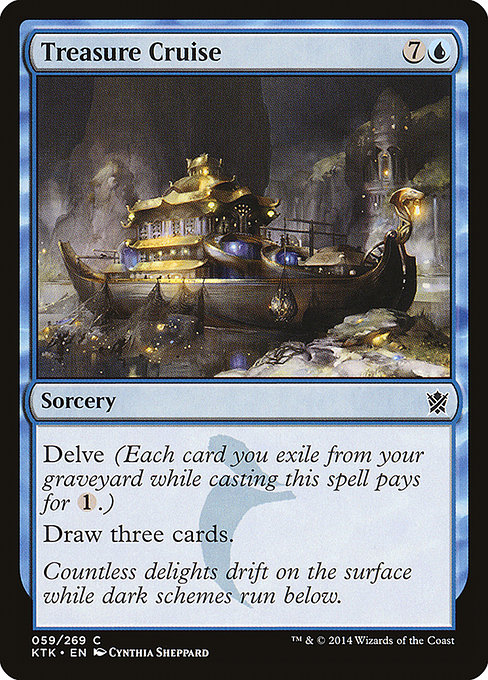
Banned because Blue-Red Delver decks powered by Treasure Cruise had been so successful at tournament play that they were hurting the diversity of the format, which had declined significantly compared to previous periods.
Announcement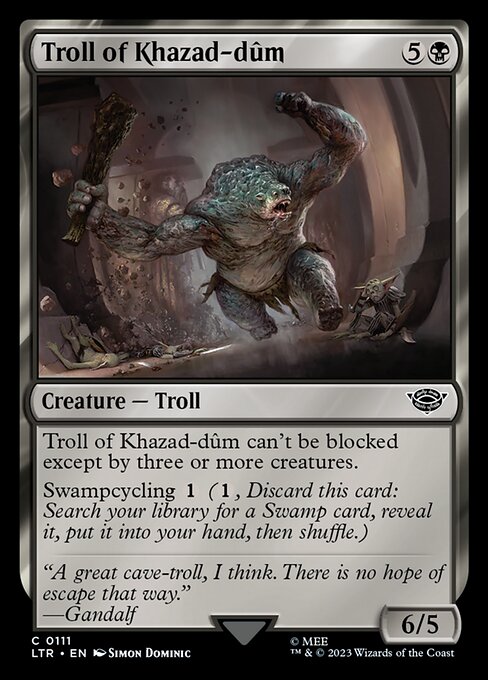
Banned because it let Dimir Reanimator straddle the line between a tempo aggro deck and a combo deck, filling the deck with reanimation spells without the usual deckbuilding cost of dedicated payoffs. That subversion of opportunity costs had kept Reanimator exceptionally strong for nearly two years.
Announcement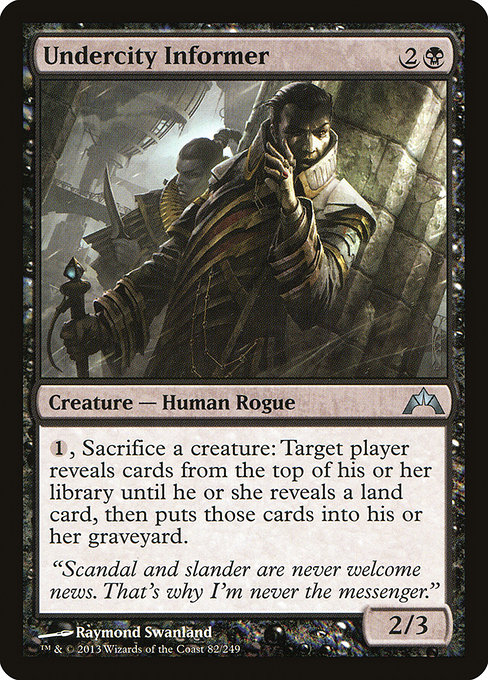
Banned to weaken the Oops, All Spells! combo deck, which kept getting stronger and whose turn-one kills (self-milling the whole library, then winning via Dread Return and Thassa's Oracle) were deemed frustrating and repetitive. Wizards banned Informer while leaving Balustrade Spy legal to preserve the deck but de-power it.
Announcement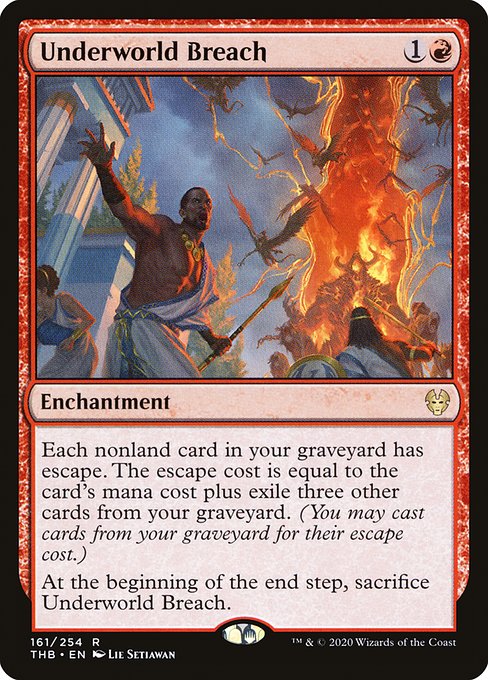
Banned because its interaction with Lion's Eye Diamond, in combo decks using Brain Freeze as a win condition, kept improving as the decks were refined, making it clear the interaction would remain problematic in Legacy going forward.
Announcement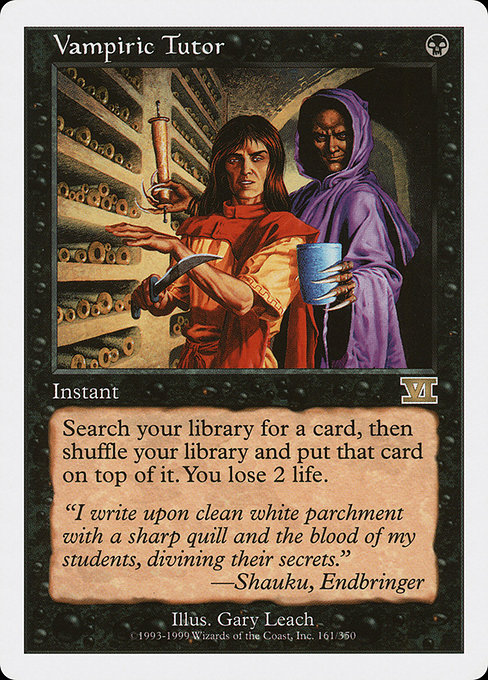
No ban details recorded.
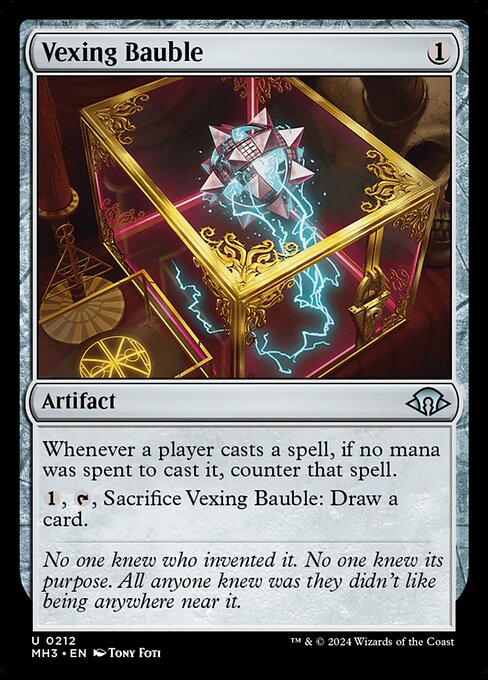
Banned for undermining free countermagic, a core pillar of Legacy - red-based combo decks like Mystic Forge Combo and Painter's Servant Combo used the one-mana, self-replacing artifact to ignore the format's traditional interaction at very little cost to their proactive game plan.
Announcement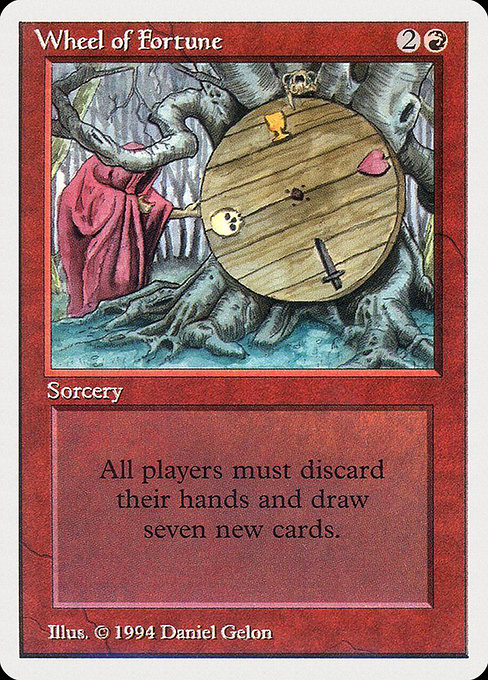
Banned since Legacy's creation - restricted in Type 1 in March 1995 and therefore automatically banned in Type 1.5, it was kept on the complete banned list when the DCI split Legacy's list from Vintage on September 1, 2004.
Announcement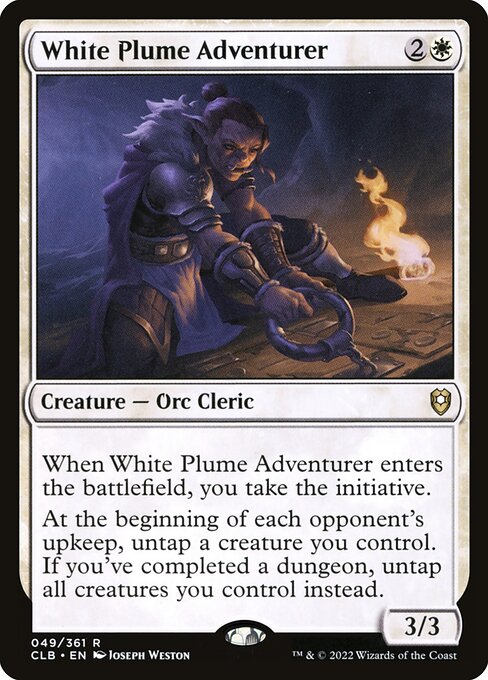
Banned to reduce the consistency and speed of the Mono-White Initiative deck, which used fast mana to deploy initiative creatures early and establish an advantage opponents struggled to overcome.
Announcement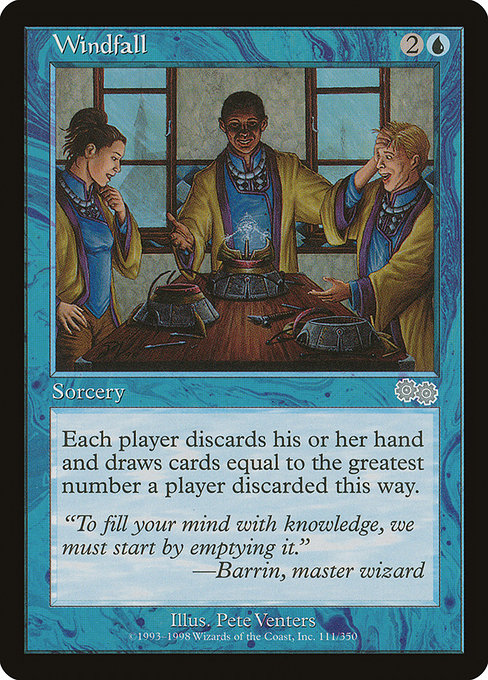
No ban details recorded.
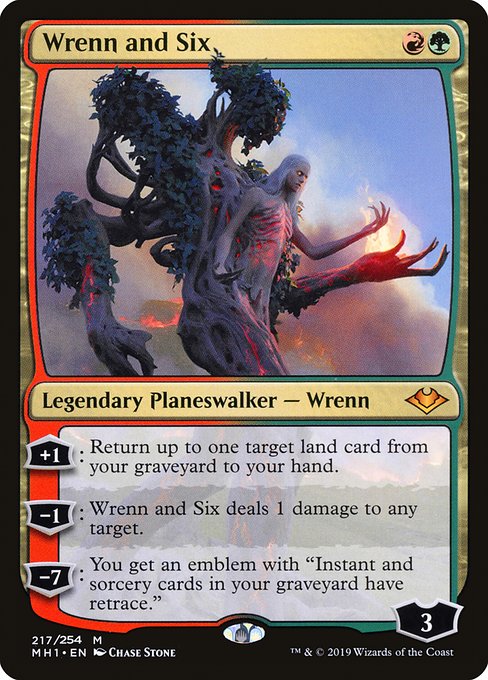
Banned because Temur Delver decks adopting it pulled far ahead of the rest of an otherwise healthy metagame. Wizards cited its Legacy-specific strength recurring Wasteland and picking off prevalent 1-toughness creatures like Mother of Runes and Young Pyromancer.
Announcement
No ban details recorded.
No ban details recorded.
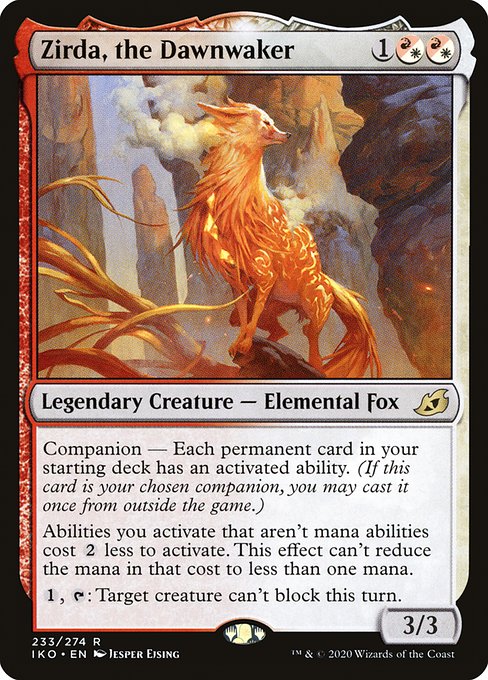
Banned because decks using Zirda as a companion in combination with Grim Monolith were performing very strongly, and Magic Online metagame data indicated they would become problematic. The ban was made proactively before the archetype became widespread.
AnnouncementAugust 10, 2026 · 1
Banned in the August 10, 2026 announcement, which gave no written reasoning and deferred discussion of the change to WeeklyMTG. The same update restricted the card in Vintage.
AnnouncementJune 29, 2026 · 1
Wizards said it rarely shows up unless it is in a problematically strong combo deck, where it is often the highest value-above-replacement card, and banned it after Colorless Tron kept growing without weakening. They judged that trying to ban around Candelabra would produce similar situations in the future.
AnnouncementMay 18, 2026 · 1
Banned to weaken the Oops, All Spells! combo deck, which kept getting stronger and whose turn-one kills (self-milling the whole library, then winning via Dread Return and Thassa's Oracle) were deemed frustrating and repetitive. Wizards banned Informer while leaving Balustrade Spy legal to preserve the deck but de-power it.
AnnouncementNovember 10, 2025 · 2
Banned because Dimir Reanimator had topped the Legacy metagame for years and survived earlier bans, with Entomb letting the deck switch freely between a robust fair game plan and putting one of the most powerful creatures ever printed straight into the graveyard. Wizards said the ban aims to separate decks that cheat big creatures into play from traditional decks rather than allow an easy hybrid of both.
AnnouncementBanned as a power-level outlier whose midrange Nadu decks (with Nomads en-Kor, Endurance, and Scythecat Cub) went over the top of opponents in long, non-deterministic combo-like turns that were hard to interact with and physically awkward to represent. Wizards cited strong results combined with undesirable play patterns and resistance to traditional hate.
AnnouncementMarch 31, 2025 · 2
Banned for being too effective at attacking lands in colorless Eldrazi strategies, fetching cards like Eye of Ugin and, most critically, targeting basic lands, which are meant to be a reliable out to land hate. Its prevalence compressed games to the first handful of turns.
AnnouncementBanned because it let Dimir Reanimator straddle the line between a tempo aggro deck and a combo deck, filling the deck with reanimation spells without the usual deckbuilding cost of dedicated payoffs. That subversion of opportunity costs had kept Reanimator exceptionally strong for nearly two years.
AnnouncementDecember 16, 2024 · 2
Banned to address Dimir Reanimator's dominance (roughly double the play rate of other strategies), since Psychic Frog played extremely well in reanimator shells as a threat that had to be answered. The ban also aimed to restore diversity among blue tempo decks that had consolidated around the card.
AnnouncementBanned for undermining free countermagic, a core pillar of Legacy - red-based combo decks like Mystic Forge Combo and Painter's Servant Combo used the one-mana, self-replacing artifact to ignore the format's traditional interaction at very little cost to their proactive game plan.
AnnouncementAugust 26, 2024 · 1
Banned because Dimir Reanimator's ever-growing dominance was built on abusing Grief's mana-free evoke with Reanimate and Animate Dead backed by Daze and Force of Will, preventing opponents from casting their spells. Wizards concluded Legacy had not been able to self-correct against the Grief-plus-Reanimate combination.
AnnouncementMarch 6, 2023 · 2
Banned because the card quality and quantity it provided let Izzet Delver, one of the format's two dominant archetypes, easily adapt to any metagame change and stay on top. Removing it was intended to restore the deck's historical vulnerabilities and open space for diversity.
AnnouncementBanned to reduce the consistency and speed of the Mono-White Initiative deck, which used fast mana to deploy initiative creatures early and establish an advantage opponents struggled to overcome.
AnnouncementJanuary 25, 2022 · 1
Banned because Blue-Red Delver was dominating Legacy far ahead of every other archetype, with games snowballing from an early Ragavan protected by Daze and Force of Will. The ban aimed to weaken the deck and encourage more back-and-forth games.
AnnouncementFebruary 15, 2021 · 3
Banned because it let manabases achieve both high color flexibility and resilience to mana denial for a relatively low investment, removing a traditional Legacy deckbuilding tension. Wizards said this advantage concentrated power in a narrow class of decks and reduced format diversity.
AnnouncementBanned for being game-defining in already-strong tempo strategies like Temur Delver, with Wizards saying too many games came down to whether the opponent could immediately remove it. With Oko no longer constraining the metagame, Arcanist decks were expected to become even more dominant.
AnnouncementBanned as a major metagame presence and contributor to lower diversity - its power and flexibility provided an easy answer even to unanticipated threats and homogenized gameplay patterns across many decks.
AnnouncementMay 18, 2020 · 2
Banned because the companion mechanic's deckbuilding cost was too low relative to the payoff in a format full of cheap, powerful permanents, and Lurrus decks collectively became too prevalent. Wizards saw no indication the trend would shift on its own.
AnnouncementBanned because decks using Zirda as a companion in combination with Grim Monolith were performing very strongly, and Magic Online metagame data indicated they would become problematic. The ban was made proactively before the archetype became widespread.
AnnouncementMarch 9, 2020 · 1
Banned because its interaction with Lion's Eye Diamond, in combo decks using Brain Freeze as a win condition, kept improving as the decks were refined, making it clear the interaction would remain problematic in Legacy going forward.
AnnouncementNovember 18, 2019 · 1
Banned because Temur Delver decks adopting it pulled far ahead of the rest of an otherwise healthy metagame. Wizards cited its Legacy-specific strength recurring Wasteland and picking off prevalent 1-toughness creatures like Mother of Runes and Young Pyromancer.
AnnouncementJuly 2, 2018 · 2
Banned for powering Grixis Delver, the format's most-played and best-performing deck, by fixing mana so decks could play up to four colors at little cost. Its built-in graveyard disruption also automatically protected against offbeat strategies like Dredge, reducing metagame diversity.
AnnouncementBanned because the perfect information it provided came at too low a cost, letting proactive decks know exactly when to play around counterspells and removal while undermining Legacy's bluffing elements. Its free spell count and graveyard filling also powered multiple top decks.
AnnouncementApril 24, 2017 · 1
Banned because the Counterbalance-Top Miracles deck had been the format's best deck for some time, and because repeated Top activations slowed match play and led to tournament delays.
AnnouncementSeptember 28, 2015 · 1
Banned because blue decks using Dig Through Time, along with various combo decks, had squeezed out other strategies, which lost too frequently once the blue decks could reload for two mana. Omni-Tell in particular used it to assemble Show and Tell plus Omniscience faster and with more resiliency.
AnnouncementJanuary 19, 2015 · 1
Banned because Blue-Red Delver decks powered by Treasure Cruise had been so successful at tournament play that they were hurting the diversity of the format, which had declined significantly compared to previous periods.
AnnouncementSeptember 20, 2011 · 1
Banned because instead of helping nonblue decks fight combo and Brainstorm decks as designed, it became a near-automatic four-of that benefited blue decks most and suppressed one-mana spells across the format. The DCI banned it hoping to restore the more diverse metagame that existed before its printing.
AnnouncementDecember 20, 2010 · 1
Banned after Vengevine-powered Survival decks rose to dominance; R&D's Erik Lauer explained that Survival of the Fittest decks had been outperforming other Legacy decks in recent months, causing the competitive format to become significantly less diverse.
AnnouncementJune 18, 2010 · 1
Banned in the June 18, 2010 update to slow Legacy's fastest combo decks; the ban targeted the consistency Mystical Tutor gave Reanimator and Ad Nauseam Tendrils, which were considered too fast and too consistent for the rest of the format.
AnnouncementSeptember 1, 2008 · 1
Banned in the September 1, 2008 update, in which the DCI announced that Time Vault's power-level errata would be removed in the next Oracle update, restoring its original turn-taking functionality; it was banned in Legacy and restricted in Vintage in the same announcement.
AnnouncementSeptember 1, 2007 · 1
Banned (alongside Vintage) for tournament logistics rather than power level - the DCI's Organized Play department requested the ban because Shahrazad's subgames, which can be nested and repeated, require more time than tournament rounds allow.
AnnouncementJune 1, 2007 · 1
Banned by the June 1, 2007 DCI announcement because, combined with the newly printed Protean Hulk, the Flash-Hulk combo could win as early as the first turn, warping the format.
AnnouncementSeptember 1, 2005 · 1
Banned in the September 2005 announcement that made Portal and Starter sets tournament-legal (effective October 20, 2005), as a functional near-duplicate of the already-restricted Vampiric Tutor. It entered the Legacy banned list preemptively rather than through tournament results.
AnnouncementSeptember 1, 2004 · 25
Banned since Legacy's creation - when the September 1, 2004 DCI announcement gave Legacy a banned list separate from Vintage, it carried over the old Type 1.5 rule that every card banned or restricted in Vintage was banned. It remains banned on power level as a Power Nine spell that draws three cards for one mana.
AnnouncementBanned since Legacy's creation - when the September 1, 2004 DCI announcement gave Legacy a banned list separate from Vintage, it carried over the old Type 1.5 rule that every card banned or restricted in Vintage was banned. It remains banned on power level as an undercosted symmetrical sweeper that is easily built to be one-sided.
AnnouncementOne of twelve cards newly banned in the September 1, 2004 DCI announcement that split Legacy's banned list from Vintage's, judged too powerful for the new format (changes effective September 20, 2004).
AnnouncementBanned since Legacy's creation - when the September 1, 2004 DCI announcement gave Legacy a banned list separate from Vintage, it carried over the old Type 1.5 rule that every card banned or restricted in Vintage was banned. It remains banned on power level as the Power Nine's free three-mana acceleration.
AnnouncementBanned since Legacy's creation - when the September 1, 2004 DCI announcement gave Legacy a banned list separate from Vintage, it carried over the old Type 1.5 rule that every card banned or restricted in Vintage was banned. It remains banned on power level for converting life into large amounts of mana, enabling extremely fast kills.
AnnouncementBanned since Legacy's creation, inherited from the Type 1.5/Vintage banned list. Dexterity cards that require physically flipping the card have long been banned in every DCI sanctioned format.
AnnouncementBanned since Legacy's creation - when the September 1, 2004 DCI announcement gave Legacy a banned list separate from Vintage, it carried over the old Type 1.5 rule that every card banned or restricted in Vintage was banned. It remains banned on power level as a two-mana tutor for any card, long restricted in Vintage.
AnnouncementBanned since Legacy's creation, inherited from the Type 1.5/Vintage banned list. Dexterity cards that require physically flipping the card have long been banned in every DCI sanctioned format.
AnnouncementOne of twelve cards newly banned in the September 1, 2004 DCI announcement that split Legacy's banned list from Vintage's, judged too powerful for the new format (changes effective September 20, 2004).
AnnouncementOne of twelve cards newly banned in the September 1, 2004 DCI announcement that split Legacy's banned list from Vintage's, judged too powerful for the new format (changes effective September 20, 2004).
AnnouncementBanned since Legacy's creation - when the September 1, 2004 DCI announcement gave Legacy a banned list separate from Vintage, it carried over the old Type 1.5 rule that every card banned or restricted in Vintage was banned. It remains banned on power level as a land generating repeatable free card advantage.
AnnouncementOne of twelve cards newly banned in the September 1, 2004 DCI announcement that split Legacy's banned list from Vintage's, judged too powerful for the new format (changes effective September 20, 2004).
AnnouncementBanned since Legacy's creation - when the September 1, 2004 DCI announcement gave Legacy a banned list separate from Vintage, it carried over the old Type 1.5 rule that every card banned or restricted in Vintage was banned. It remains banned on power level as an X-cost mass hand-destruction spell long restricted in Vintage.
AnnouncementOne of twelve cards newly banned in the September 1, 2004 DCI announcement that split Legacy's banned list from Vintage's, judged too powerful for the new format (changes effective September 20, 2004).
AnnouncementBanned since Legacy's creation - when the September 1, 2004 DCI announcement gave Legacy a banned list separate from Vintage, it carried over the old Type 1.5 rule that every card banned or restricted in Vintage was banned. It remains banned on power level as one of the Power Nine's zero-cost Mox mana artifacts.
AnnouncementBanned since Legacy's creation - when the DCI split the Type 1.5 banned list from Vintage on September 1, 2004, the fast-mana Moxes, restricted in Vintage since the original 1994 DCI list and therefore automatically banned in Type 1.5, were kept on the new format's complete banned list.
AnnouncementBanned since Legacy's creation - when the DCI split the Type 1.5 banned list from Vintage on September 1, 2004, the fast-mana Moxes, restricted in Vintage since the original 1994 DCI list and therefore automatically banned in Type 1.5, were kept on the new format's complete banned list.
AnnouncementBanned since Legacy's creation - when the DCI split the Type 1.5 banned list from Vintage on September 1, 2004, the fast-mana Moxes, restricted in Vintage since the original 1994 DCI list and therefore automatically banned in Type 1.5, were kept on the new format's complete banned list.
AnnouncementBanned since Legacy's creation - when the DCI split the Type 1.5 banned list from Vintage on September 1, 2004, the fast-mana Moxes, restricted in Vintage since the original 1994 DCI list and therefore automatically banned in Type 1.5, were kept on the new format's complete banned list.
AnnouncementOne of twelve cards not on the Type 1 restricted list that the DCI newly banned on September 1, 2004, when it separated the Legacy (then Type 1.5) banned list from Vintage's; the announcement gave no per-card rationale.
AnnouncementNewly banned on September 1, 2004, when the DCI created Legacy's separate banned list - the same announcement that banned it in Extended, following its earlier Standard and Mirrodin Block bans; no per-card rationale was given for the Legacy list.
AnnouncementBanned since Legacy's creation - a fast-mana artifact restricted in Vintage since the original 1994 DCI list and therefore automatically banned in Type 1.5, it was kept on the complete banned list when the DCI split Legacy's list from Vintage on September 1, 2004.
AnnouncementBanned since Legacy's creation - a Power Nine card restricted in Vintage since the original 1994 DCI list and therefore automatically banned in Type 1.5, it was kept on the complete banned list when the DCI split Legacy's list from Vintage on September 1, 2004.
AnnouncementBanned since Legacy's creation - a Power Nine card restricted in Vintage since the original 1994 DCI list and therefore automatically banned in Type 1.5, it was kept on the complete banned list when the DCI split Legacy's list from Vintage on September 1, 2004.
AnnouncementBanned since Legacy's creation - restricted in Type 1 in March 1995 and therefore automatically banned in Type 1.5, it was kept on the complete banned list when the DCI split Legacy's list from Vintage on September 1, 2004.
AnnouncementJune 1, 2003 · 1
Restricted in Type 1 in June 2003 after the Gush-powered Grow-A-Tog (GAT) deck's explosion onto the Type 1 metagame, which automatically banned it in Type 1.5, Legacy's predecessor. It remained banned when Legacy's independent list was created in 2004.
AnnouncementMarch 1, 2003 · 1
No ban details recorded.
September 1, 2000 · 2
Restricted in Type 1 alongside Necropotence in the September 2000 DCI update, which automatically banned it in Type 1.5, Legacy's predecessor, as a one-mana tutor fueling Necropotence-based decks. It remained banned when Legacy's independent list was created in 2004.
AnnouncementRestricted in Type 1 and therefore banned in the linked Type 1.5 list on September 1, 2000, after becoming increasingly dominant as the format's preeminent card-drawing engine. The DCI judged the swing it introduced to be on par with cards already restricted.
AnnouncementSeptember 1, 1999 · 7
No ban details recorded.
No ban details recorded.
No ban details recorded.
No ban details recorded.
No ban details recorded.
No ban details recorded.
No ban details recorded.
March 1999 · 1
No ban details recorded.
December 10, 1998 · 2
No ban details recorded.
No ban details recorded.
October 1996 · 2
No ban details recorded.
No ban details recorded.
Banned as a group
Conspiracy cards · 25 cards
Cards with the Conspiracy type are designed for the multiplayer Conspiracy draft format and are banned in constructed play.
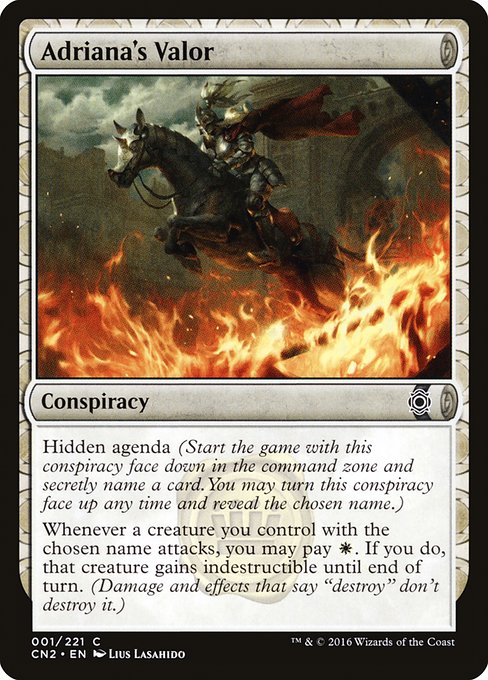
Cards with the Conspiracy type are designed for the multiplayer Conspiracy draft format and are banned in constructed play.
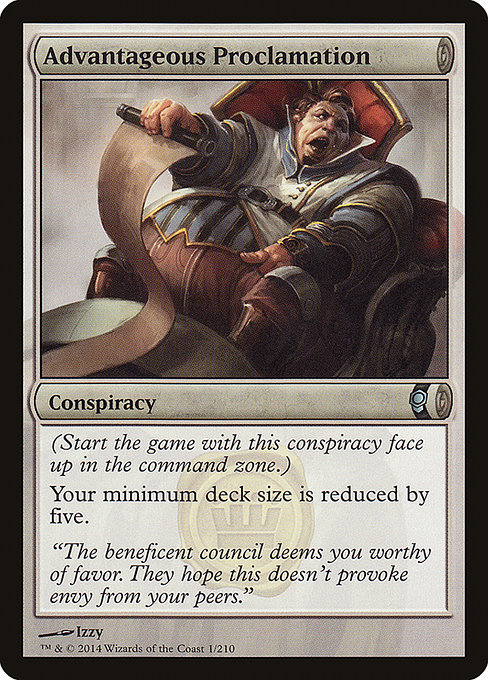
Cards with the Conspiracy type are designed for the multiplayer Conspiracy draft format and are banned in constructed play.
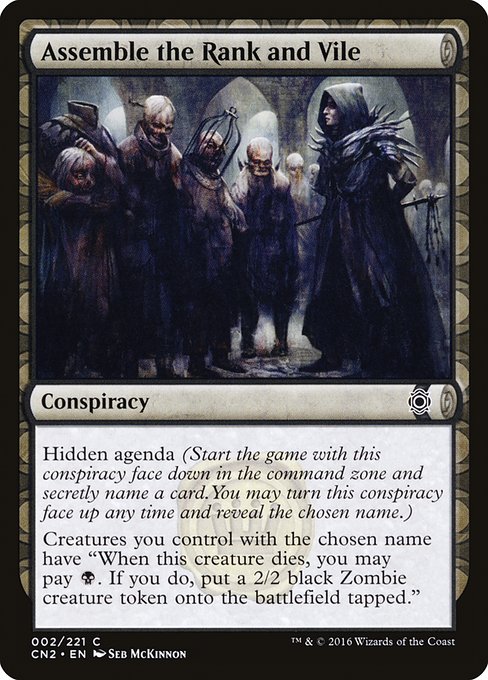
Cards with the Conspiracy type are designed for the multiplayer Conspiracy draft format and are banned in constructed play.
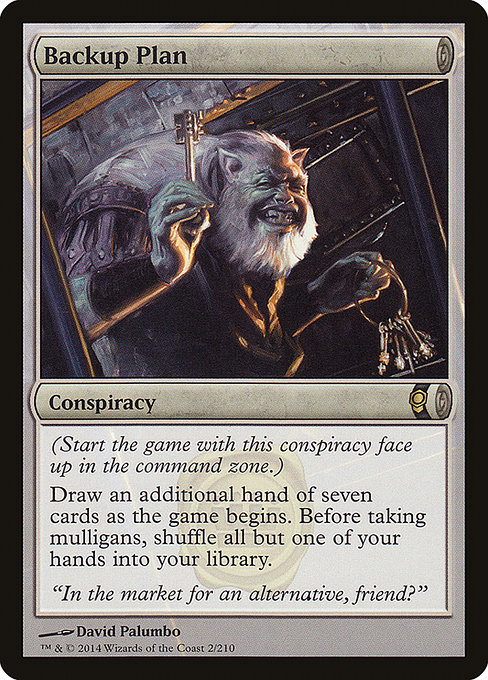
Cards with the Conspiracy type are designed for the multiplayer Conspiracy draft format and are banned in constructed play.
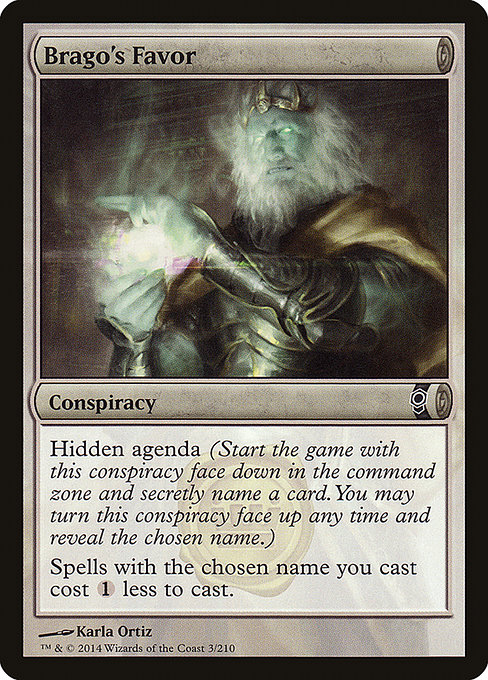
Cards with the Conspiracy type are designed for the multiplayer Conspiracy draft format and are banned in constructed play.
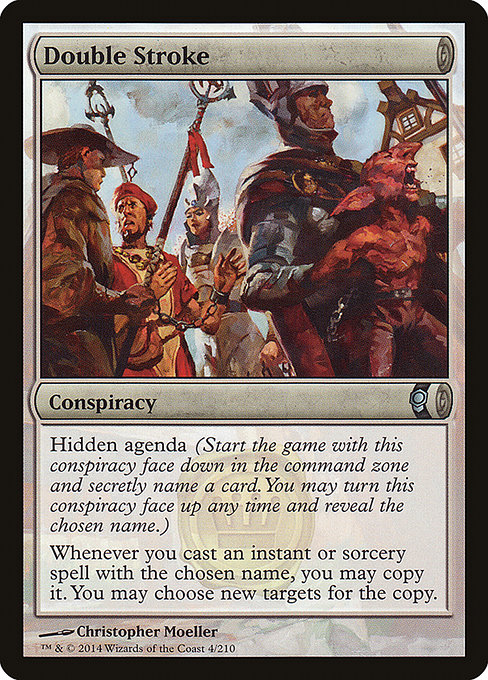
Cards with the Conspiracy type are designed for the multiplayer Conspiracy draft format and are banned in constructed play.
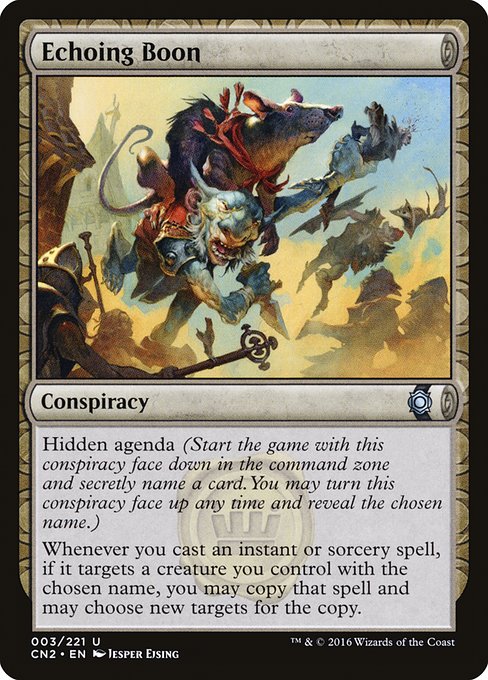
Cards with the Conspiracy type are designed for the multiplayer Conspiracy draft format and are banned in constructed play.
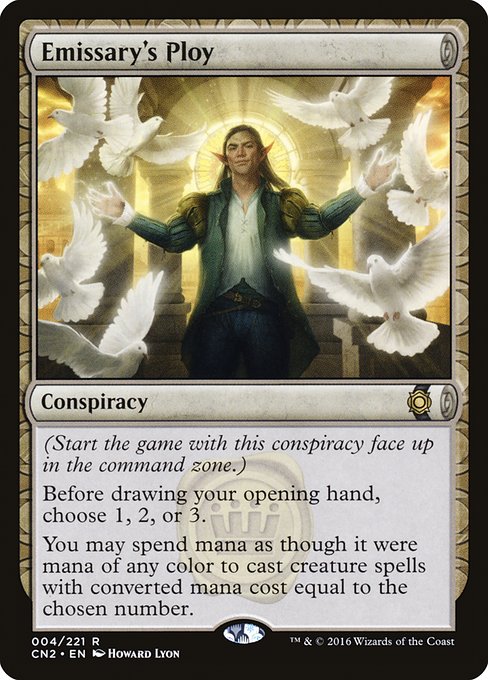
Cards with the Conspiracy type are designed for the multiplayer Conspiracy draft format and are banned in constructed play.
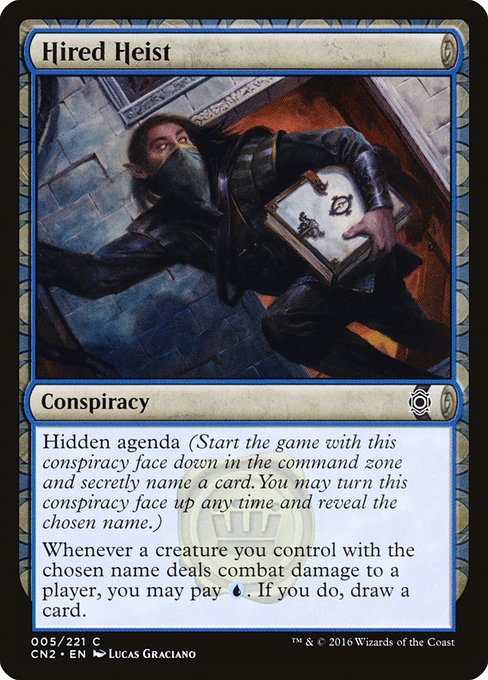
Cards with the Conspiracy type are designed for the multiplayer Conspiracy draft format and are banned in constructed play.
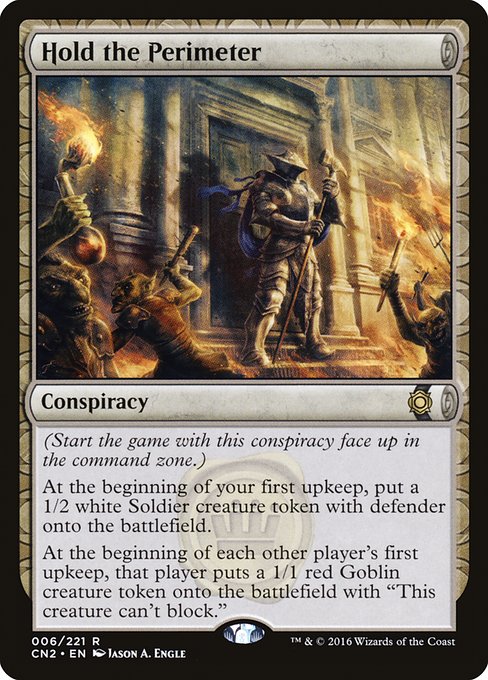
Cards with the Conspiracy type are designed for the multiplayer Conspiracy draft format and are banned in constructed play.
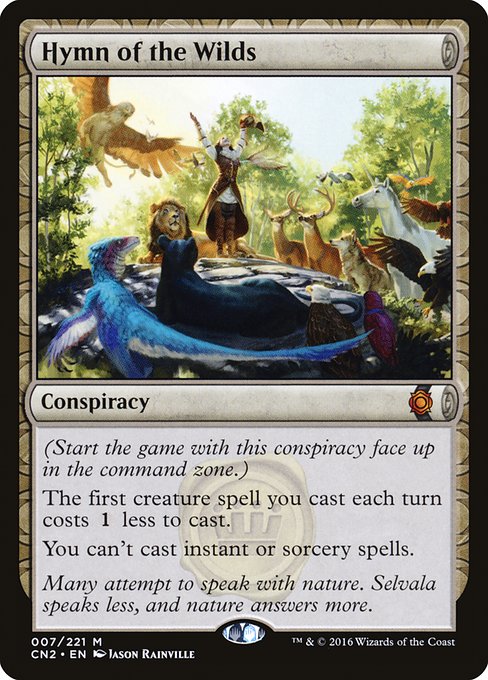
Cards with the Conspiracy type are designed for the multiplayer Conspiracy draft format and are banned in constructed play.
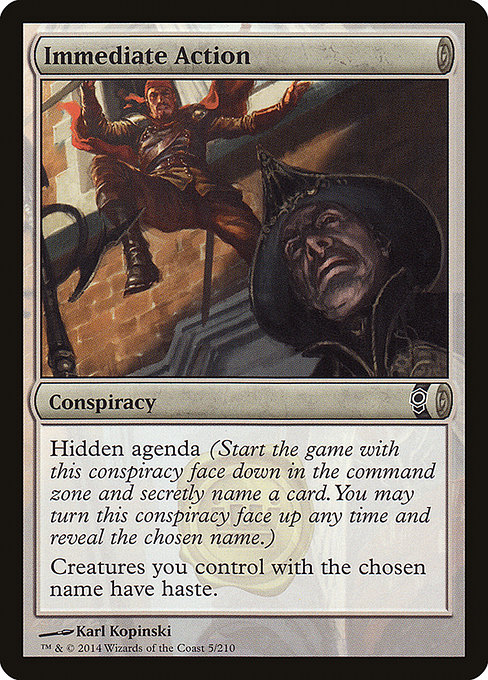
Cards with the Conspiracy type are designed for the multiplayer Conspiracy draft format and are banned in constructed play.
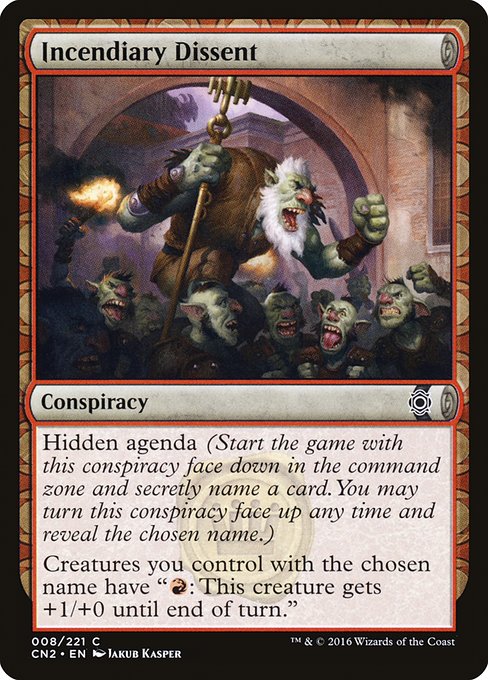
Cards with the Conspiracy type are designed for the multiplayer Conspiracy draft format and are banned in constructed play.
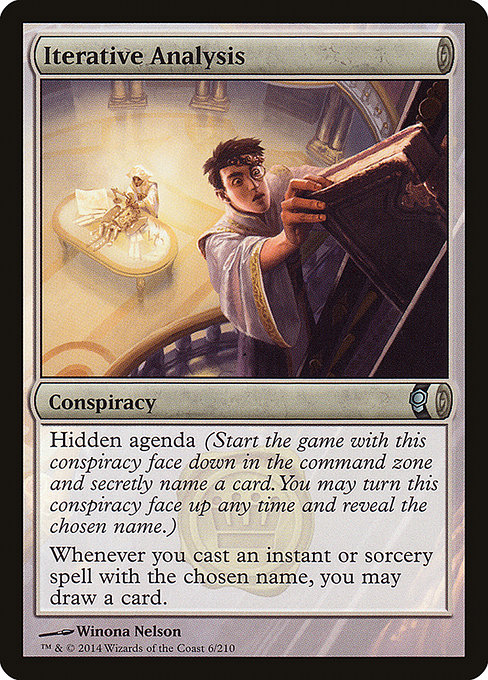
Cards with the Conspiracy type are designed for the multiplayer Conspiracy draft format and are banned in constructed play.
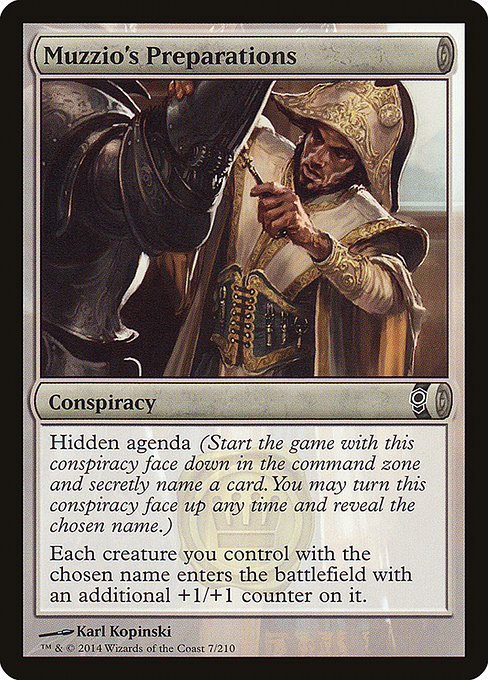
Cards with the Conspiracy type are designed for the multiplayer Conspiracy draft format and are banned in constructed play.
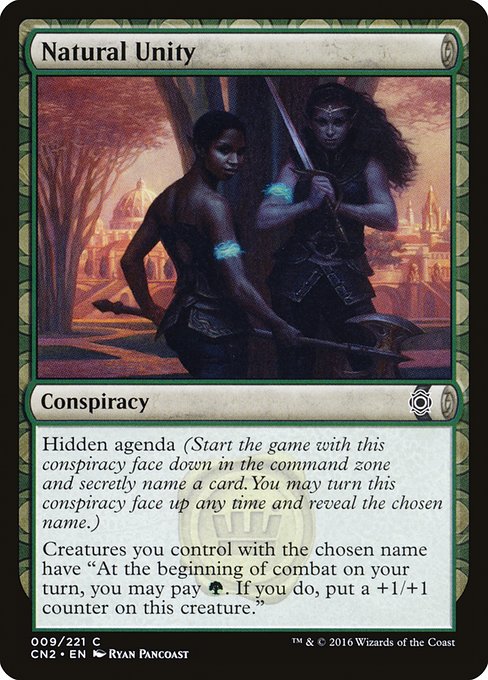
Cards with the Conspiracy type are designed for the multiplayer Conspiracy draft format and are banned in constructed play.
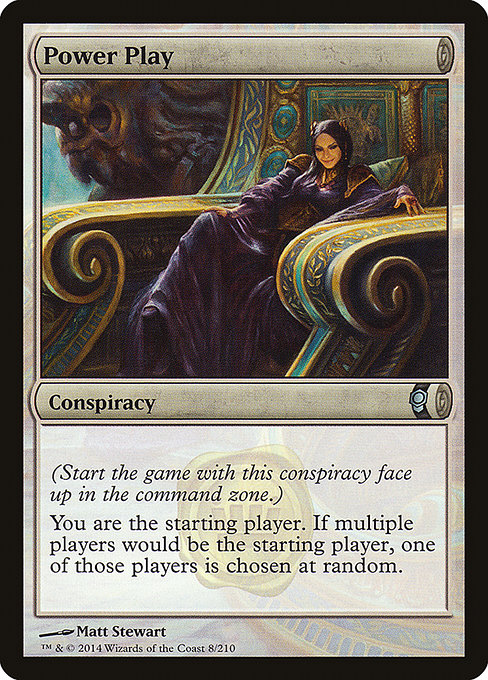
Cards with the Conspiracy type are designed for the multiplayer Conspiracy draft format and are banned in constructed play.
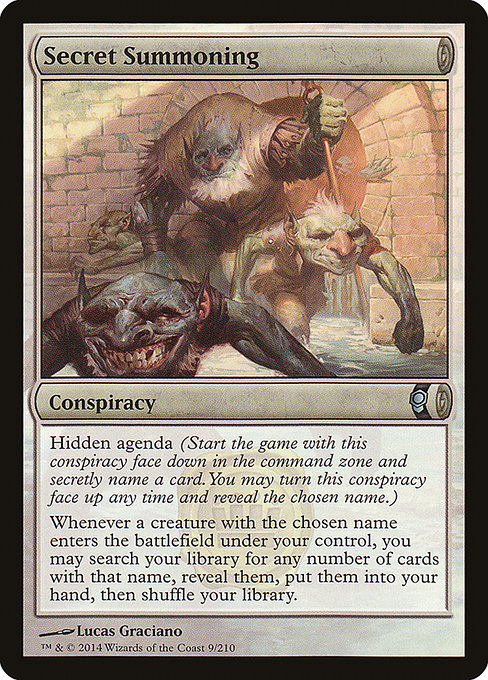
Cards with the Conspiracy type are designed for the multiplayer Conspiracy draft format and are banned in constructed play.
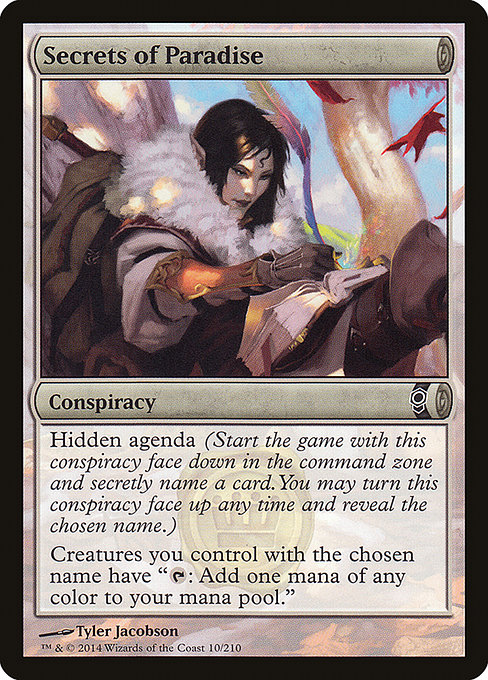
Cards with the Conspiracy type are designed for the multiplayer Conspiracy draft format and are banned in constructed play.
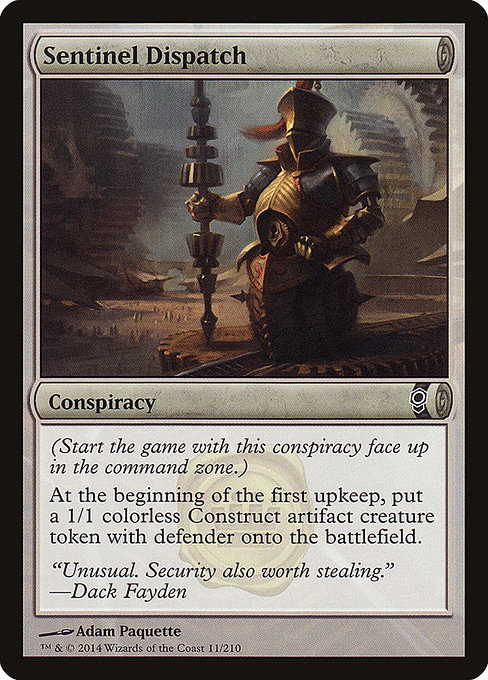
Cards with the Conspiracy type are designed for the multiplayer Conspiracy draft format and are banned in constructed play.
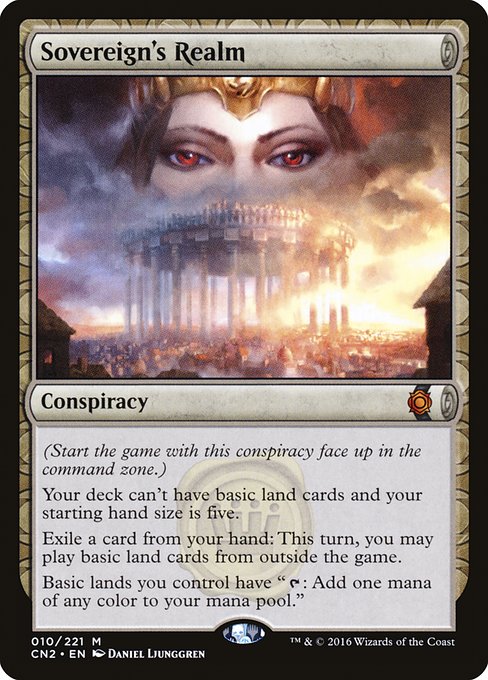
Cards with the Conspiracy type are designed for the multiplayer Conspiracy draft format and are banned in constructed play.
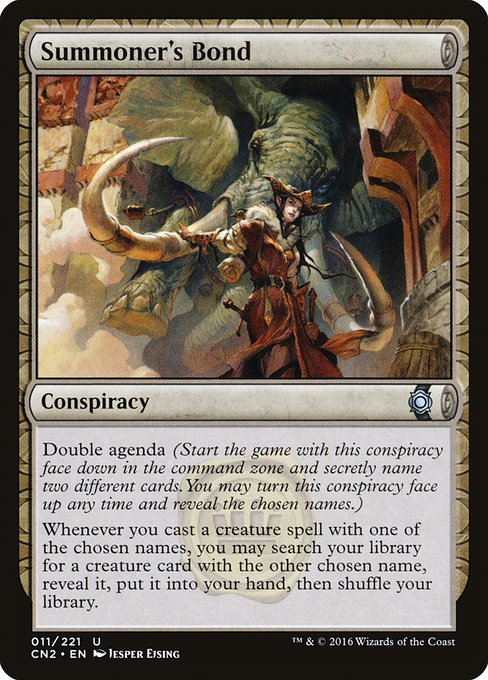
Cards with the Conspiracy type are designed for the multiplayer Conspiracy draft format and are banned in constructed play.
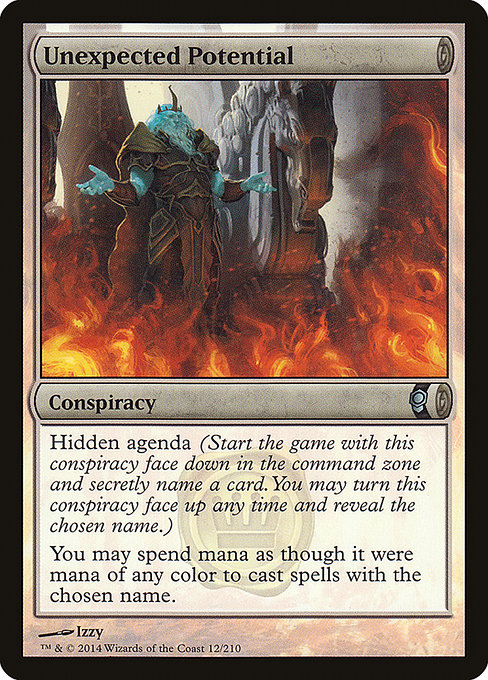
Cards with the Conspiracy type are designed for the multiplayer Conspiracy draft format and are banned in constructed play.
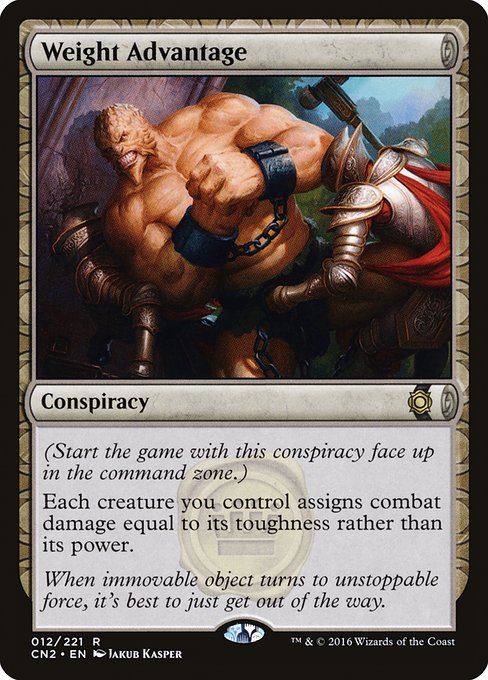
Cards with the Conspiracy type are designed for the multiplayer Conspiracy draft format and are banned in constructed play.
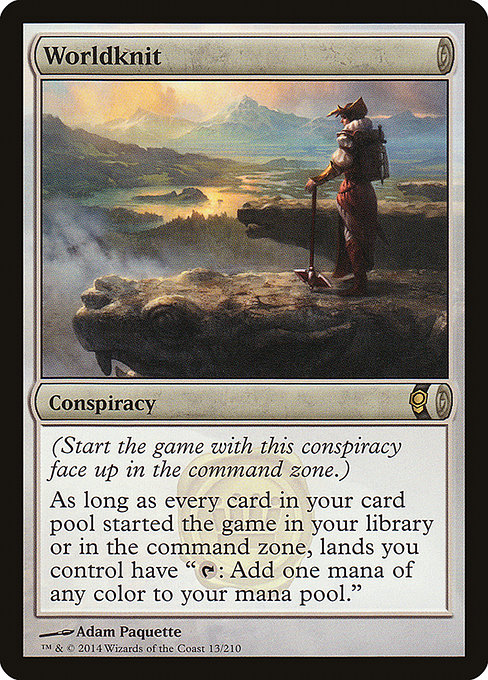
Cards with the Conspiracy type are designed for the multiplayer Conspiracy draft format and are banned in constructed play.
Ante cards · 9 cards
Cards that reference playing for ante are banned in every sanctioned format - playing for ante is gambling and is prohibited under tournament rules.
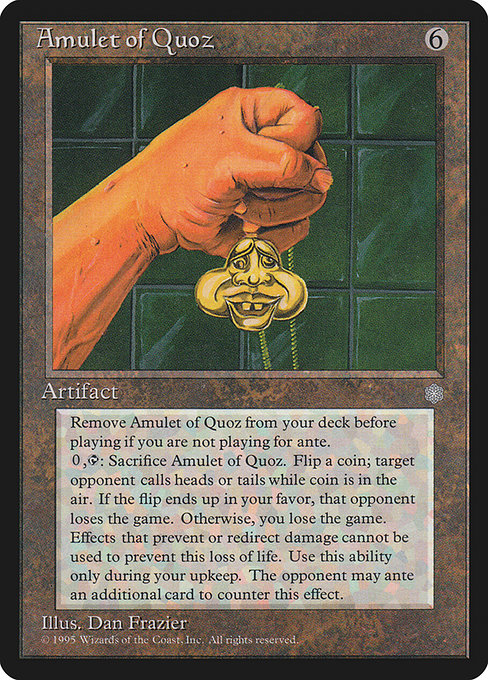
Cards that reference playing for ante are banned in every sanctioned format - playing for ante is gambling and is prohibited under tournament rules.
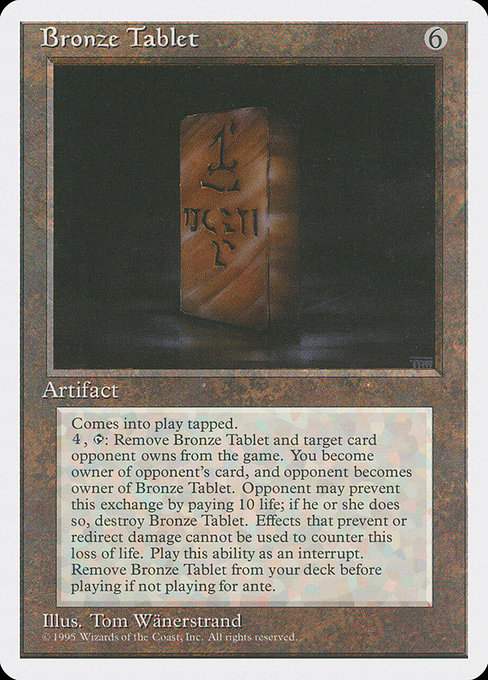
Cards that reference playing for ante are banned in every sanctioned format - playing for ante is gambling and is prohibited under tournament rules.
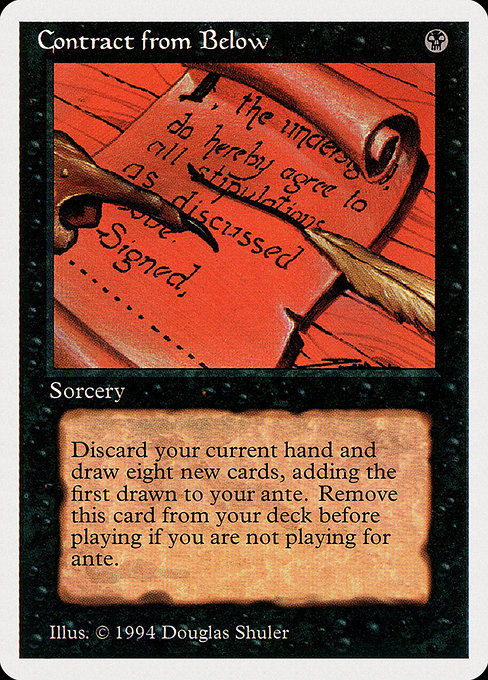
Cards that reference playing for ante are banned in every sanctioned format - playing for ante is gambling and is prohibited under tournament rules.
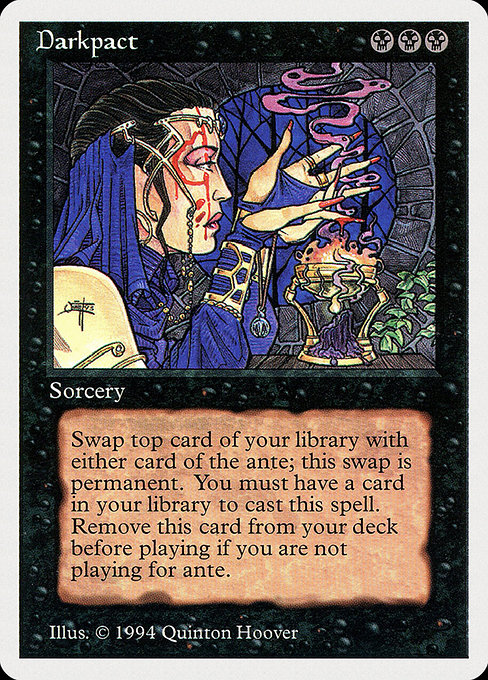
Cards that reference playing for ante are banned in every sanctioned format - playing for ante is gambling and is prohibited under tournament rules.
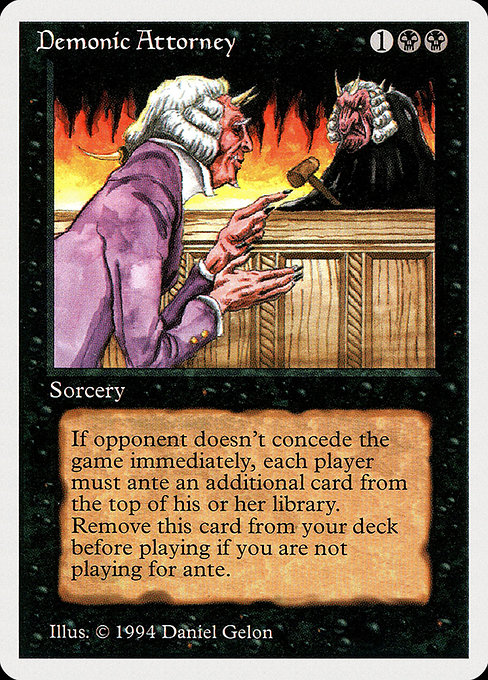
Cards that reference playing for ante are banned in every sanctioned format - playing for ante is gambling and is prohibited under tournament rules.
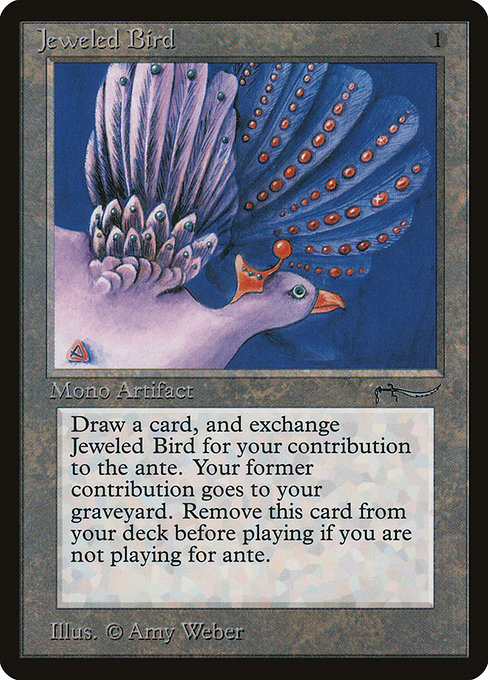
Cards that reference playing for ante are banned in every sanctioned format - playing for ante is gambling and is prohibited under tournament rules.
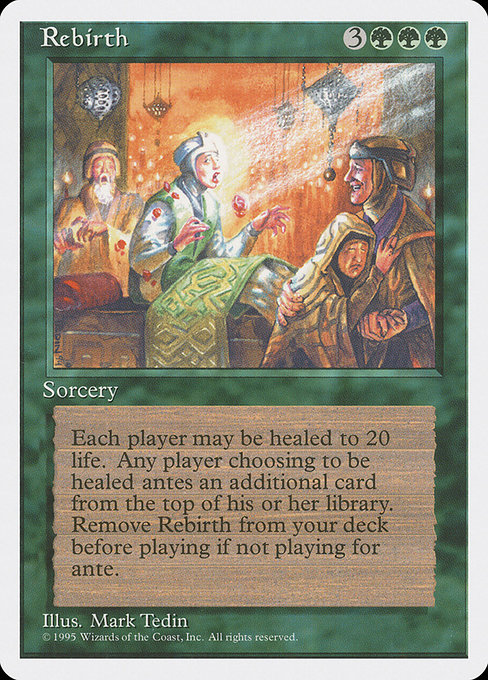
Cards that reference playing for ante are banned in every sanctioned format - playing for ante is gambling and is prohibited under tournament rules.
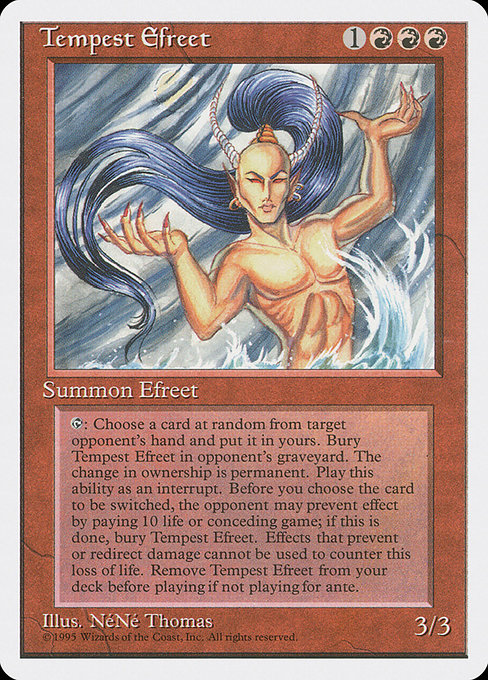
Cards that reference playing for ante are banned in every sanctioned format - playing for ante is gambling and is prohibited under tournament rules.
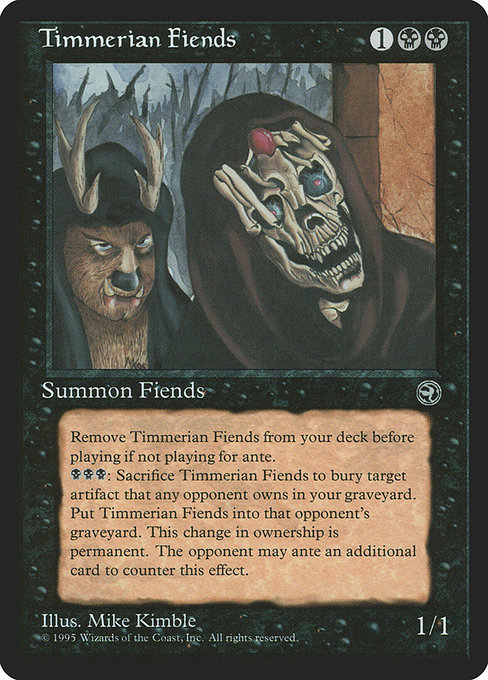
Cards that reference playing for ante are banned in every sanctioned format - playing for ante is gambling and is prohibited under tournament rules.
Culturally offensive cards · 7 cards
Cards whose art, text, or name are racially or culturally offensive are banned in all formats and removed from the Gatherer database. (June 10, 2020) - Announcement
Sticker and Attraction cards · 57 cards
Every card that brings stickers or an Attraction into the game (from Unfinity) is banned - those mechanics are not suited to the format. (May 13, 2024) - Announcement
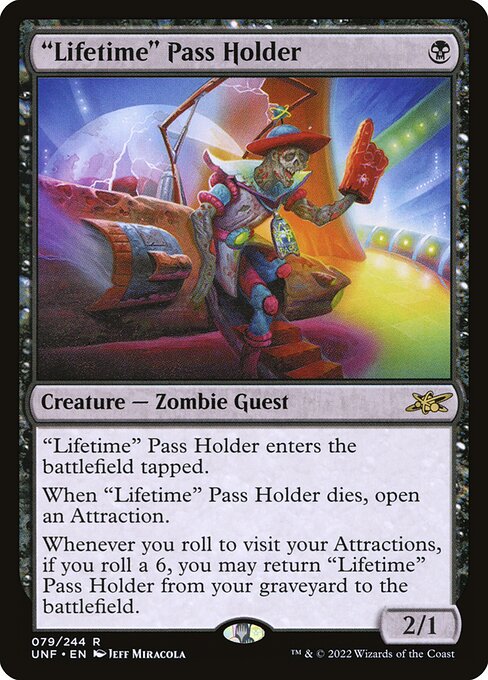
Every card that brings stickers or an Attraction into the game (from Unfinity) is banned - those mechanics are not suited to the format.
Announcement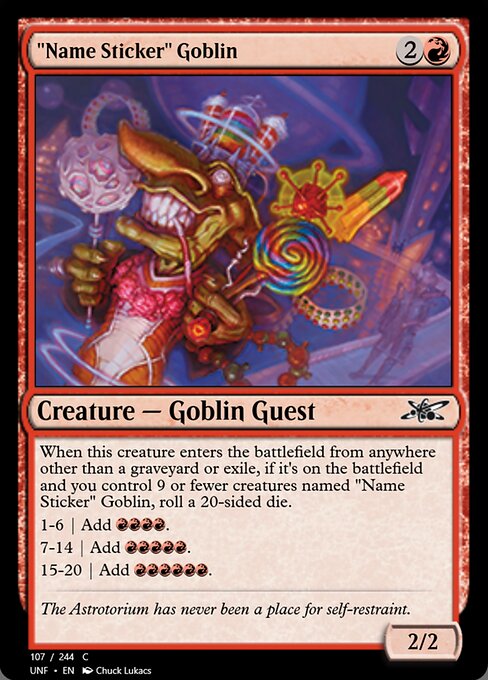
Every card that brings stickers or an Attraction into the game (from Unfinity) is banned - those mechanics are not suited to the format.
Announcement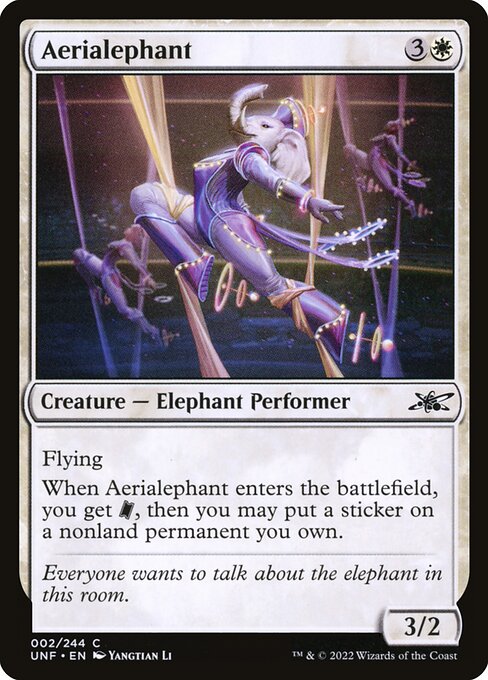
Every card that brings stickers or an Attraction into the game (from Unfinity) is banned - those mechanics are not suited to the format.
Announcement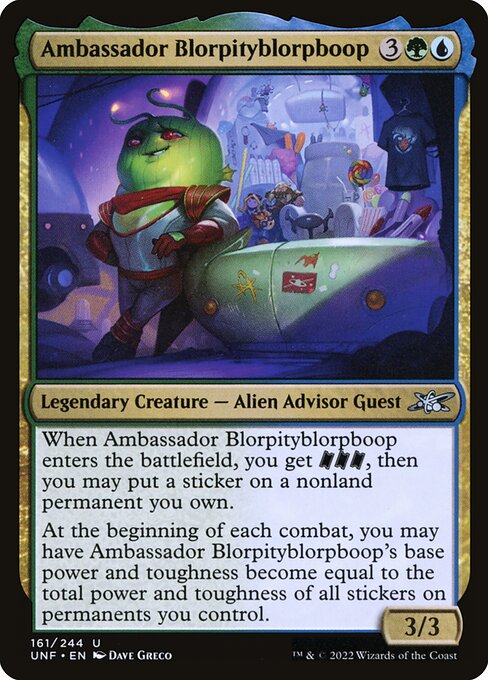
Every card that brings stickers or an Attraction into the game (from Unfinity) is banned - those mechanics are not suited to the format.
Announcement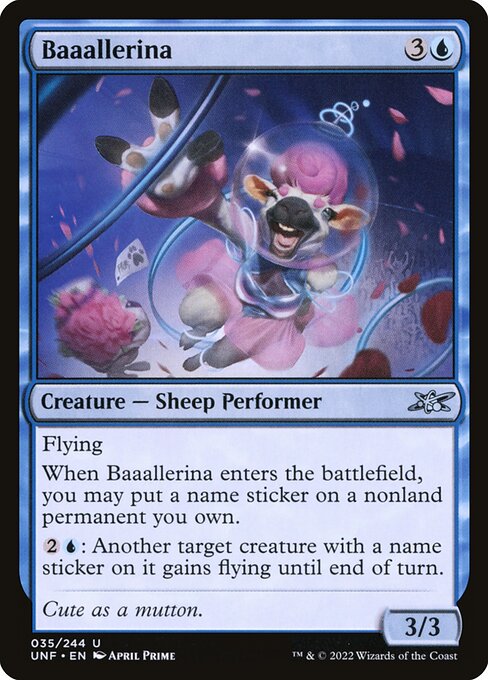
Every card that brings stickers or an Attraction into the game (from Unfinity) is banned - those mechanics are not suited to the format.
Announcement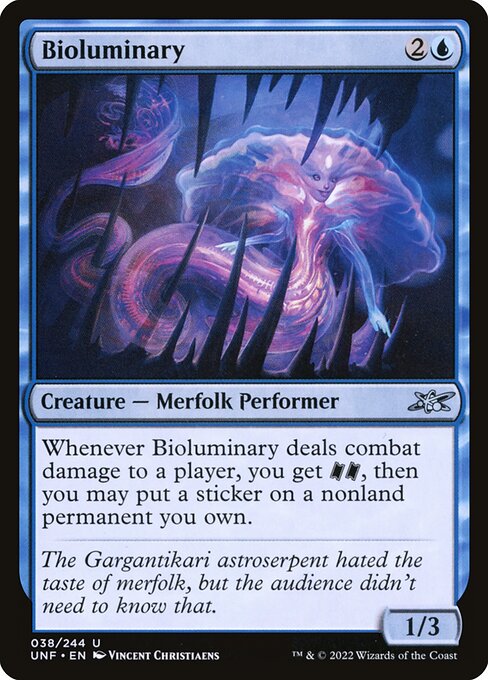
Every card that brings stickers or an Attraction into the game (from Unfinity) is banned - those mechanics are not suited to the format.
Announcement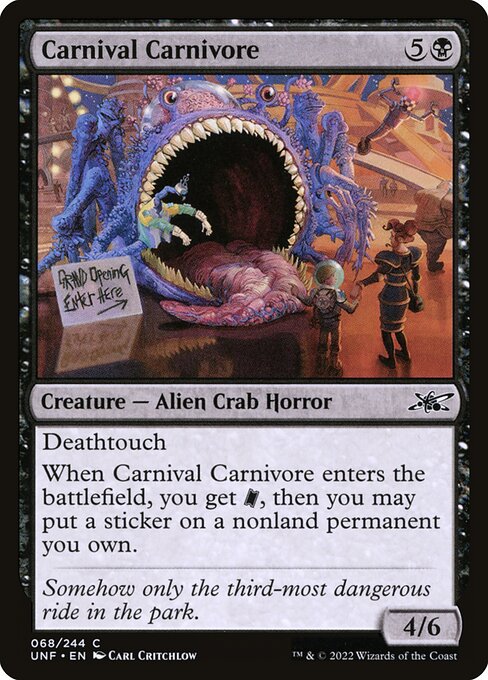
Every card that brings stickers or an Attraction into the game (from Unfinity) is banned - those mechanics are not suited to the format.
Announcement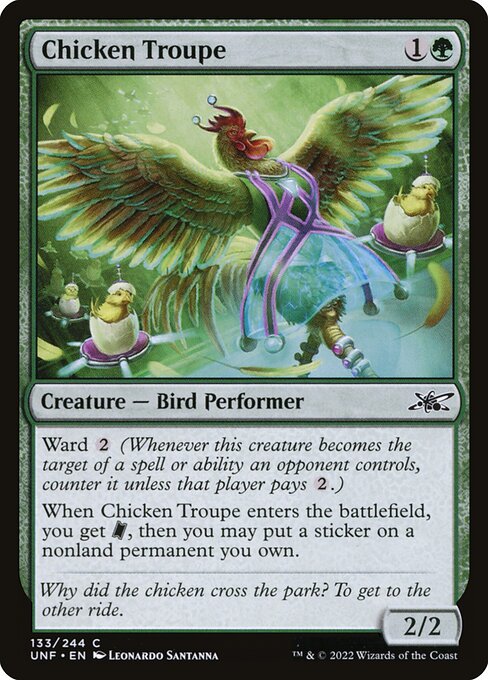
Every card that brings stickers or an Attraction into the game (from Unfinity) is banned - those mechanics are not suited to the format.
Announcement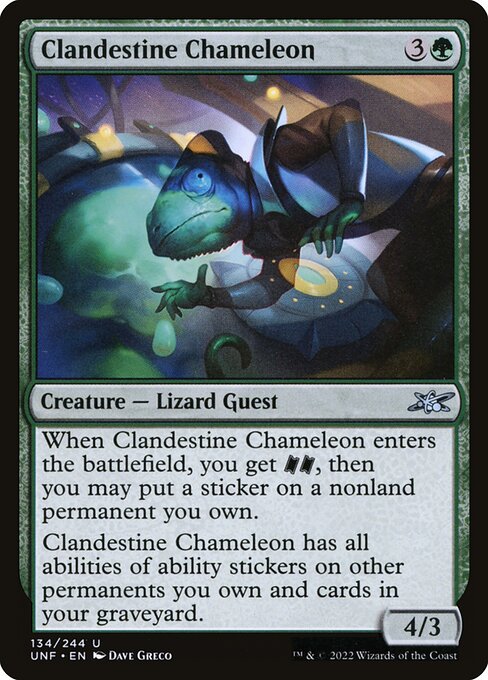
Every card that brings stickers or an Attraction into the game (from Unfinity) is banned - those mechanics are not suited to the format.
Announcement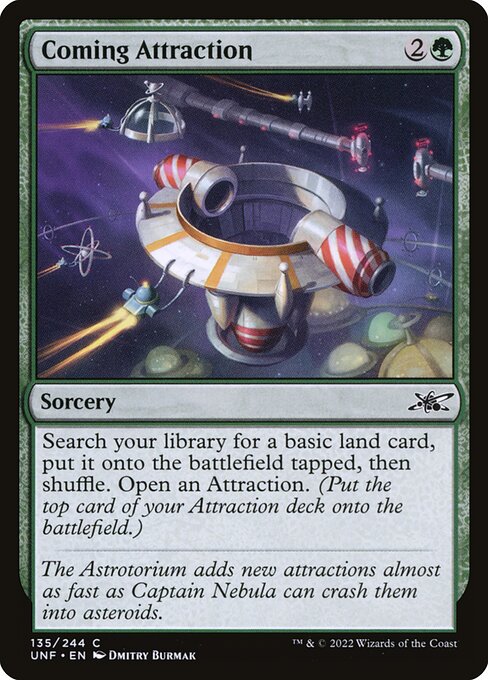
Every card that brings stickers or an Attraction into the game (from Unfinity) is banned - those mechanics are not suited to the format.
Announcement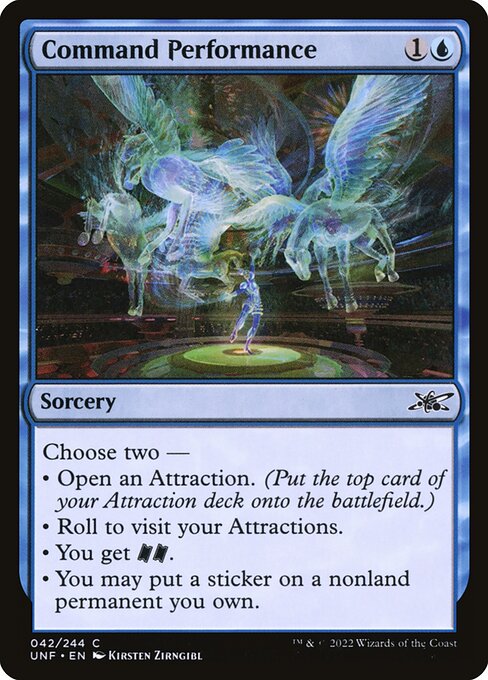
Every card that brings stickers or an Attraction into the game (from Unfinity) is banned - those mechanics are not suited to the format.
Announcement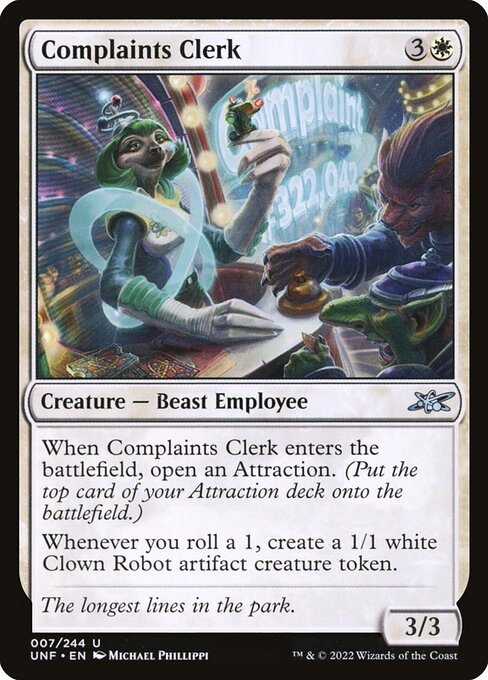
Every card that brings stickers or an Attraction into the game (from Unfinity) is banned - those mechanics are not suited to the format.
Announcement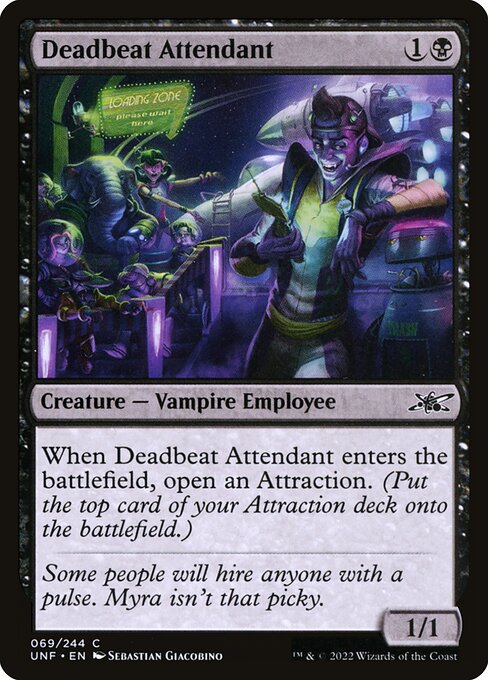
Every card that brings stickers or an Attraction into the game (from Unfinity) is banned - those mechanics are not suited to the format.
Announcement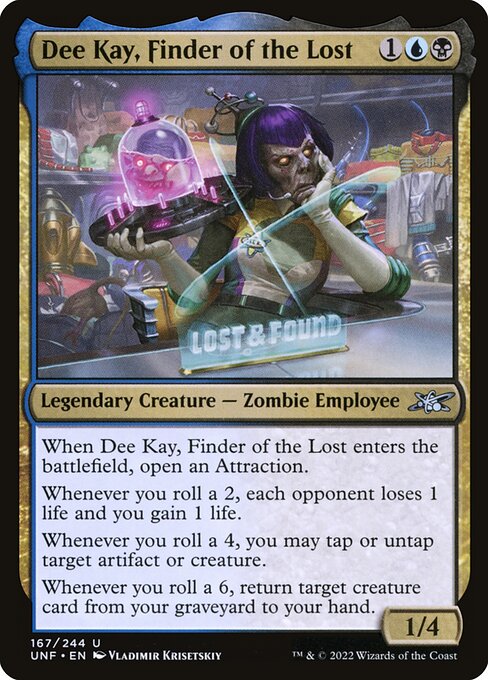
Every card that brings stickers or an Attraction into the game (from Unfinity) is banned - those mechanics are not suited to the format.
Announcement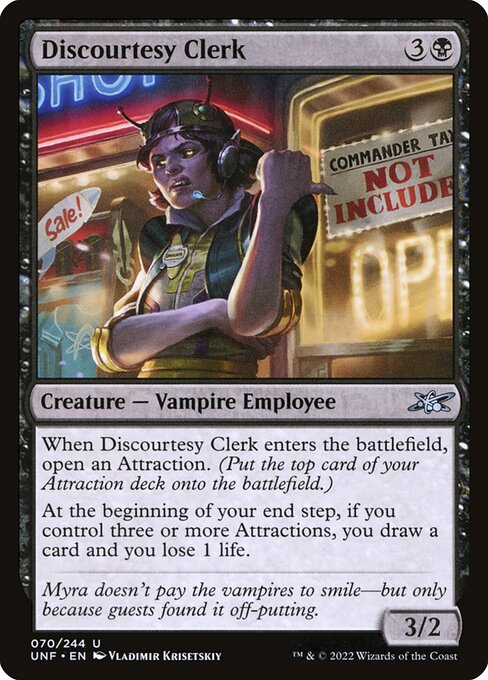
Every card that brings stickers or an Attraction into the game (from Unfinity) is banned - those mechanics are not suited to the format.
Announcement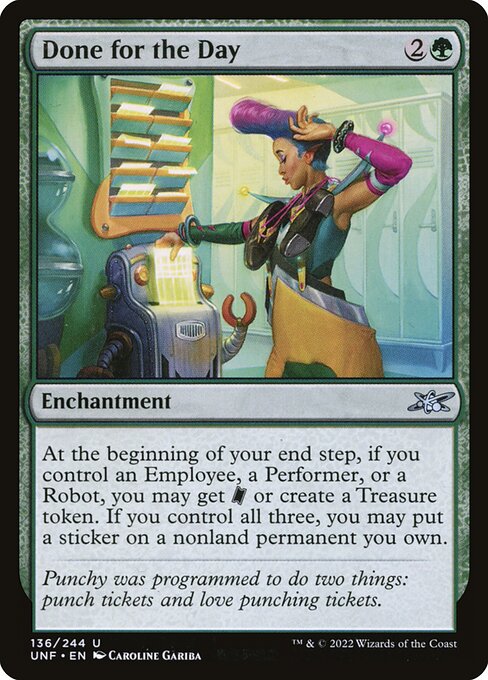
Every card that brings stickers or an Attraction into the game (from Unfinity) is banned - those mechanics are not suited to the format.
Announcement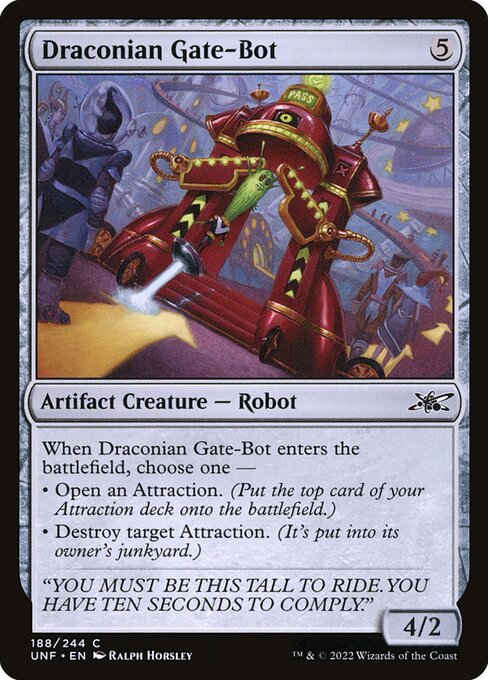
Every card that brings stickers or an Attraction into the game (from Unfinity) is banned - those mechanics are not suited to the format.
Announcement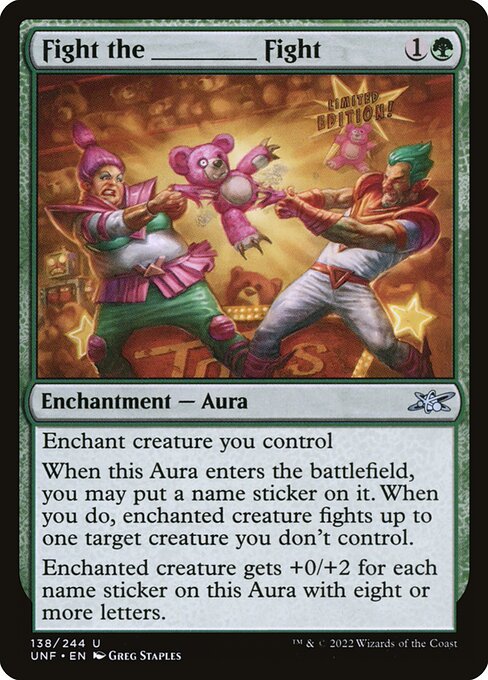
Every card that brings stickers or an Attraction into the game (from Unfinity) is banned - those mechanics are not suited to the format.
Announcement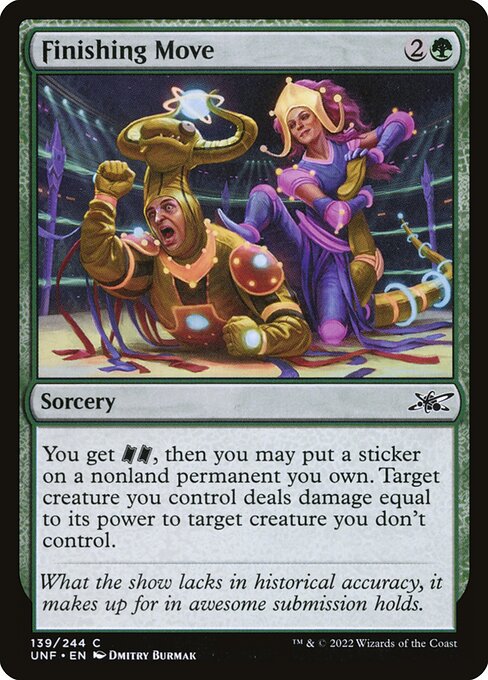
Every card that brings stickers or an Attraction into the game (from Unfinity) is banned - those mechanics are not suited to the format.
Announcement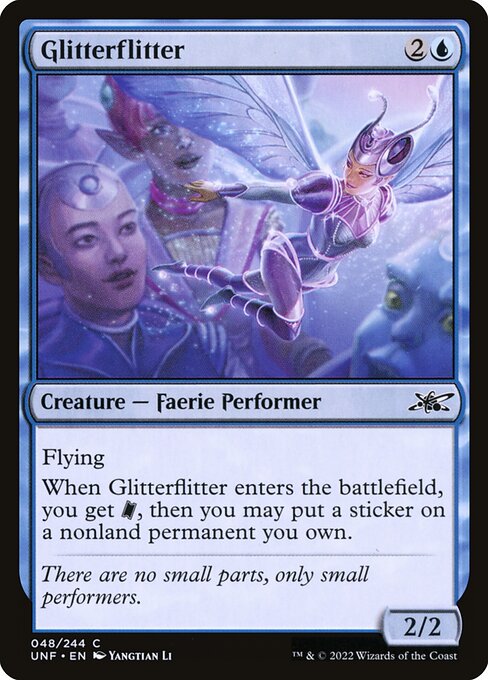
Every card that brings stickers or an Attraction into the game (from Unfinity) is banned - those mechanics are not suited to the format.
Announcement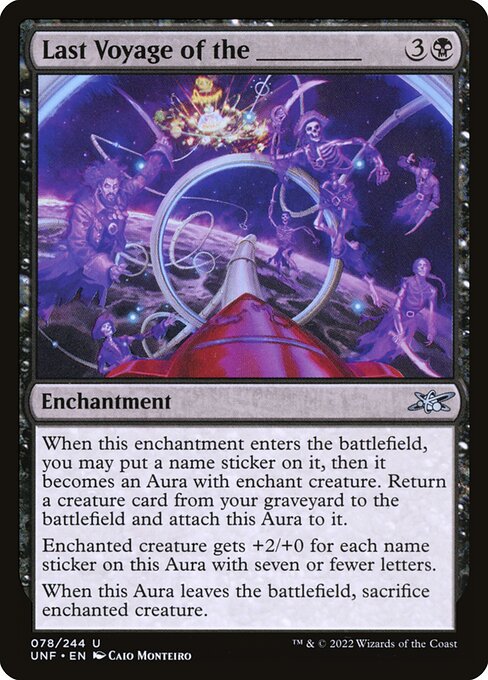
Every card that brings stickers or an Attraction into the game (from Unfinity) is banned - those mechanics are not suited to the format.
Announcement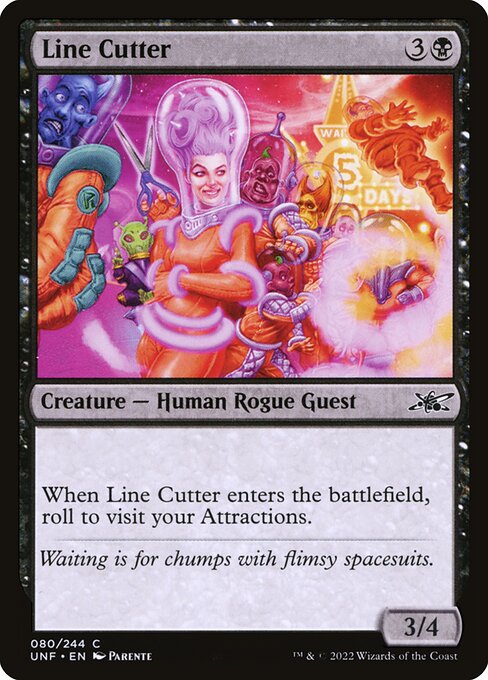
Every card that brings stickers or an Attraction into the game (from Unfinity) is banned - those mechanics are not suited to the format.
Announcement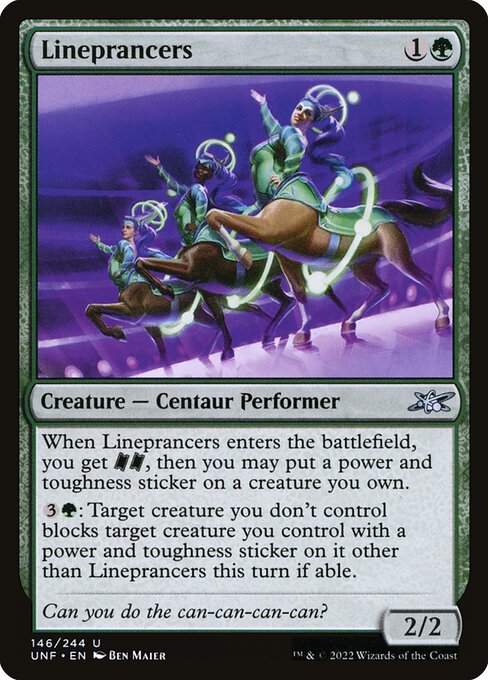
Every card that brings stickers or an Attraction into the game (from Unfinity) is banned - those mechanics are not suited to the format.
Announcement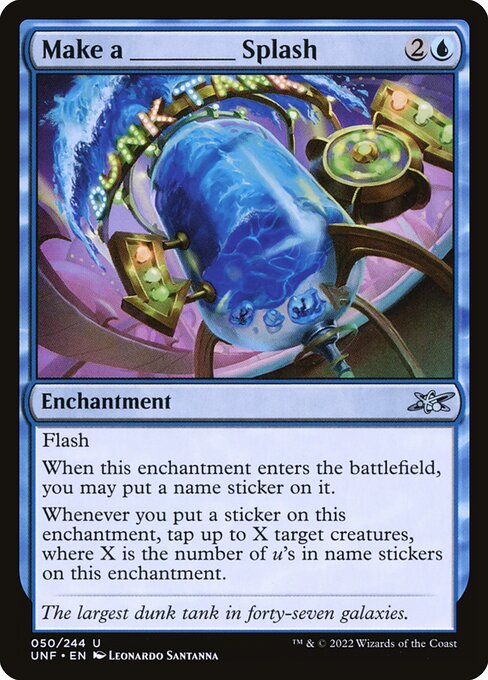
Every card that brings stickers or an Attraction into the game (from Unfinity) is banned - those mechanics are not suited to the format.
Announcement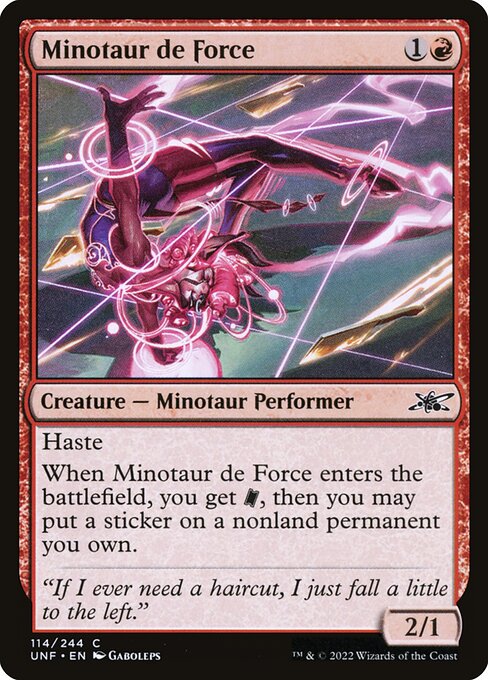
Every card that brings stickers or an Attraction into the game (from Unfinity) is banned - those mechanics are not suited to the format.
Announcement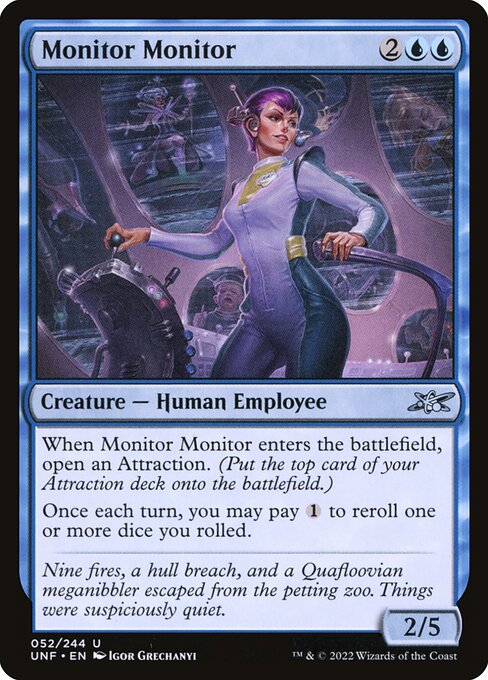
Every card that brings stickers or an Attraction into the game (from Unfinity) is banned - those mechanics are not suited to the format.
Announcement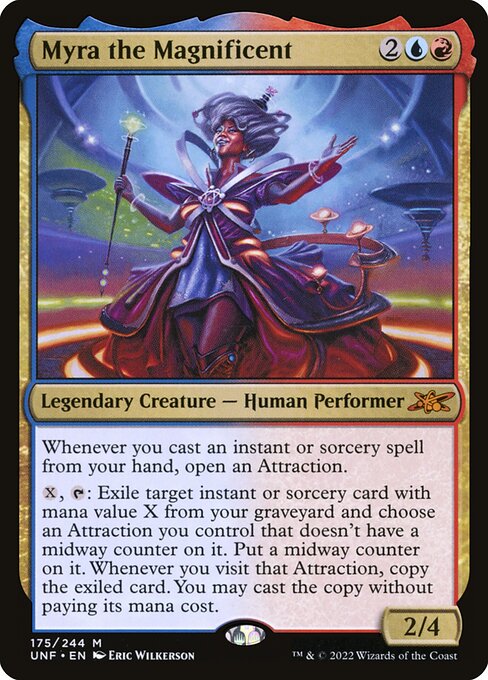
Every card that brings stickers or an Attraction into the game (from Unfinity) is banned - those mechanics are not suited to the format.
Announcement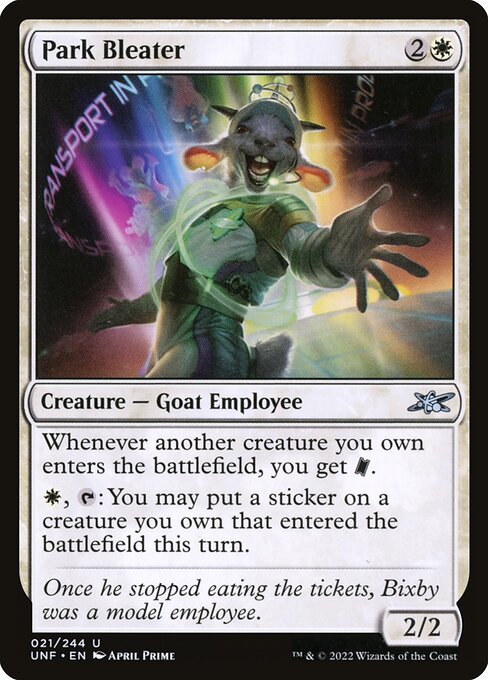
Every card that brings stickers or an Attraction into the game (from Unfinity) is banned - those mechanics are not suited to the format.
Announcement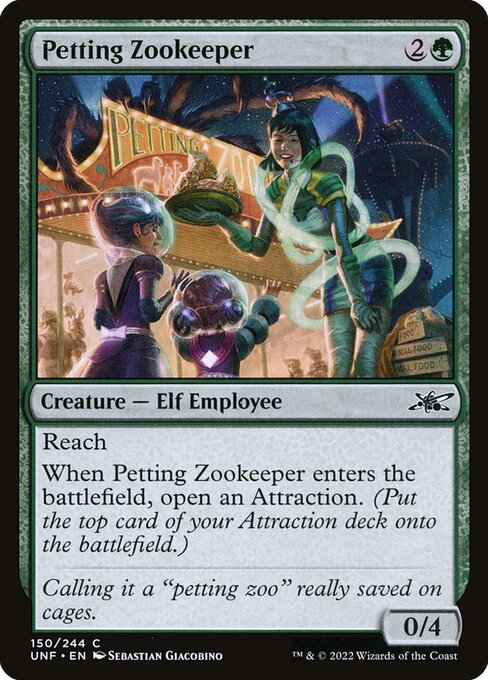
Every card that brings stickers or an Attraction into the game (from Unfinity) is banned - those mechanics are not suited to the format.
Announcement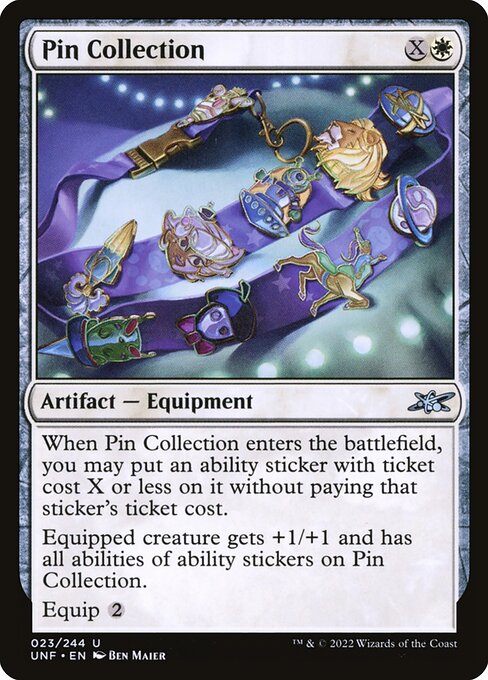
Every card that brings stickers or an Attraction into the game (from Unfinity) is banned - those mechanics are not suited to the format.
Announcement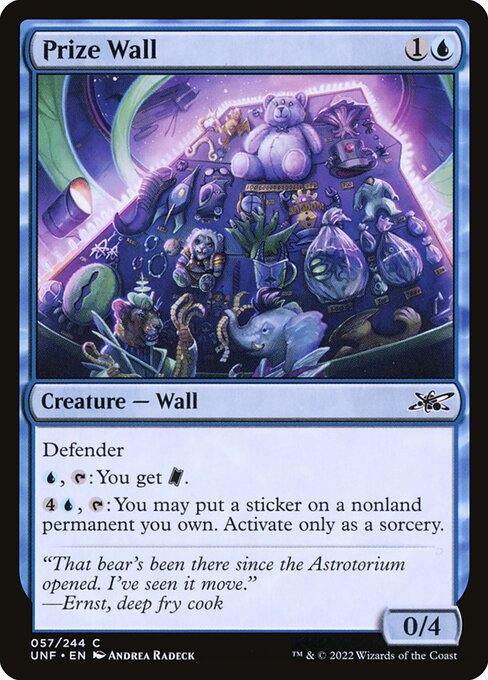
Every card that brings stickers or an Attraction into the game (from Unfinity) is banned - those mechanics are not suited to the format.
Announcement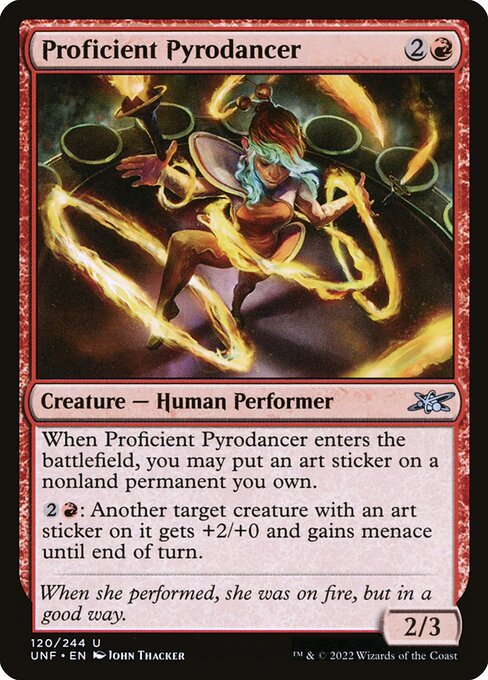
Every card that brings stickers or an Attraction into the game (from Unfinity) is banned - those mechanics are not suited to the format.
Announcement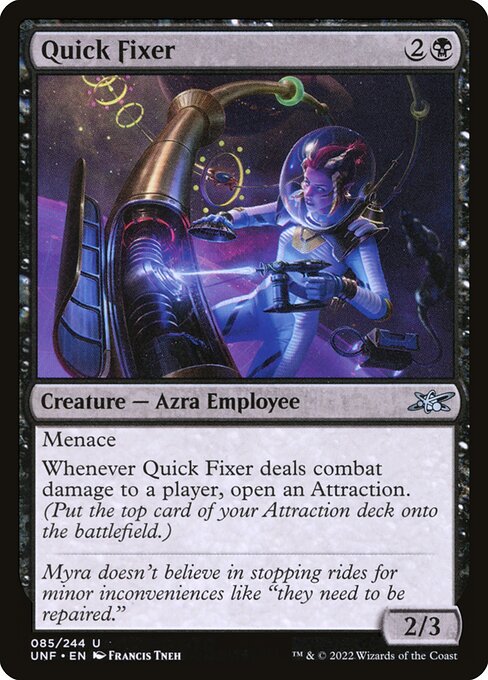
Every card that brings stickers or an Attraction into the game (from Unfinity) is banned - those mechanics are not suited to the format.
Announcement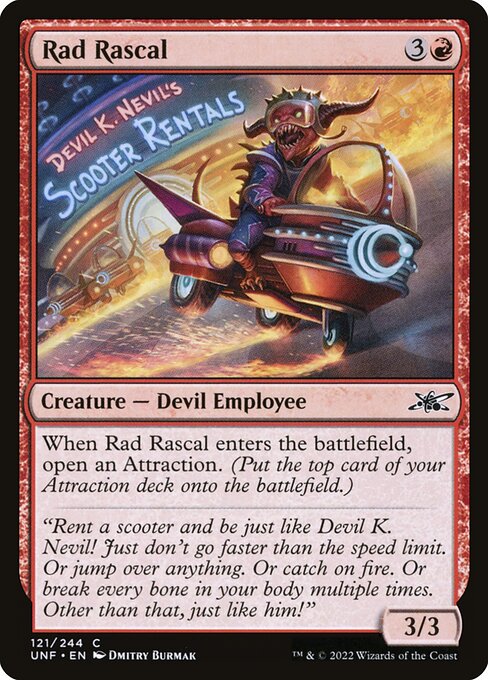
Every card that brings stickers or an Attraction into the game (from Unfinity) is banned - those mechanics are not suited to the format.
Announcement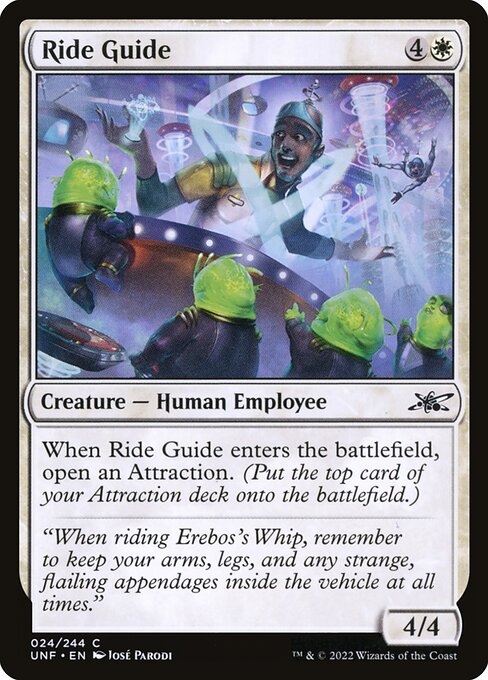
Every card that brings stickers or an Attraction into the game (from Unfinity) is banned - those mechanics are not suited to the format.
Announcement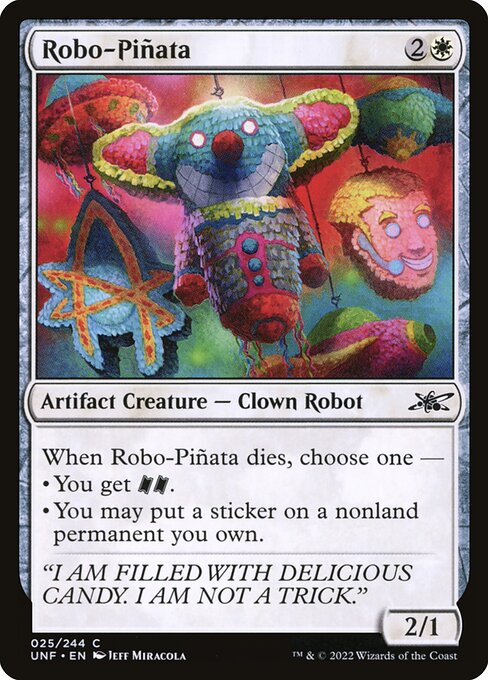
Every card that brings stickers or an Attraction into the game (from Unfinity) is banned - those mechanics are not suited to the format.
Announcement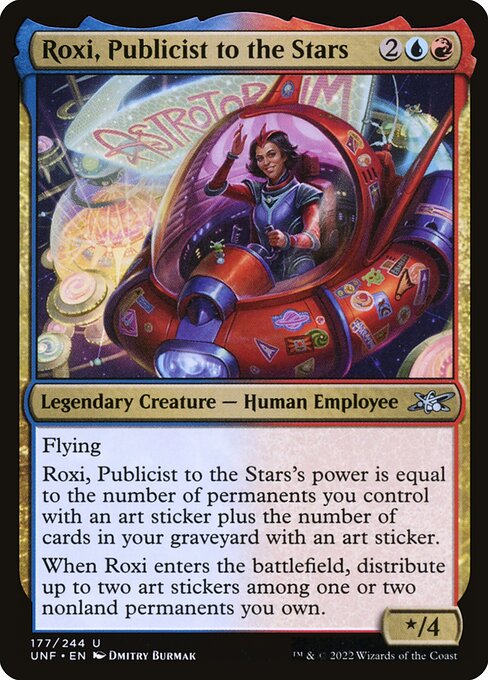
Every card that brings stickers or an Attraction into the game (from Unfinity) is banned - those mechanics are not suited to the format.
Announcement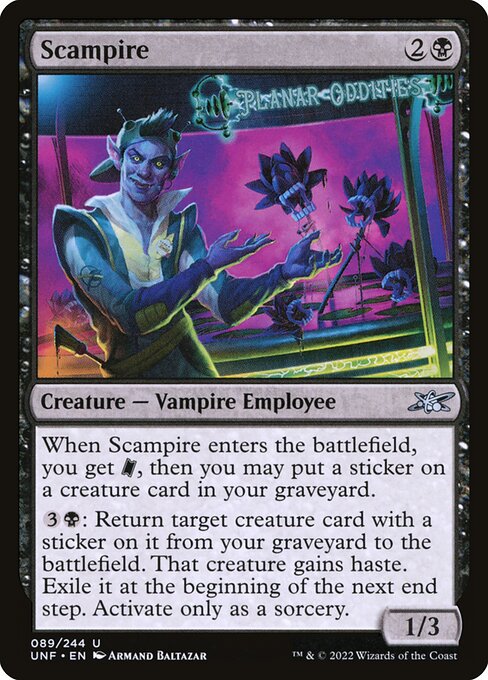
Every card that brings stickers or an Attraction into the game (from Unfinity) is banned - those mechanics are not suited to the format.
Announcement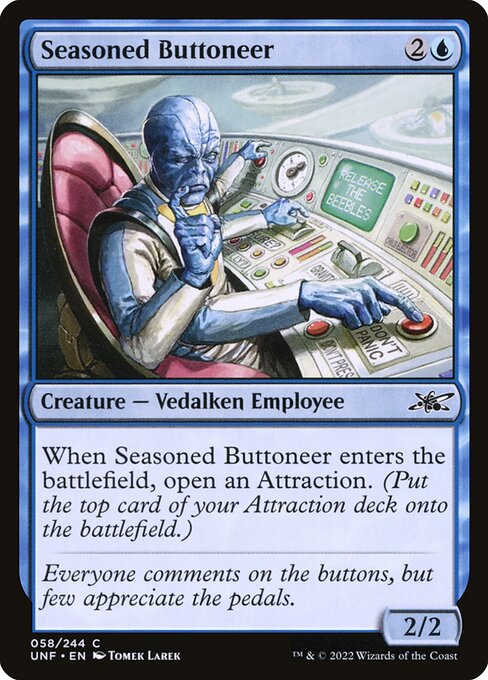
Every card that brings stickers or an Attraction into the game (from Unfinity) is banned - those mechanics are not suited to the format.
Announcement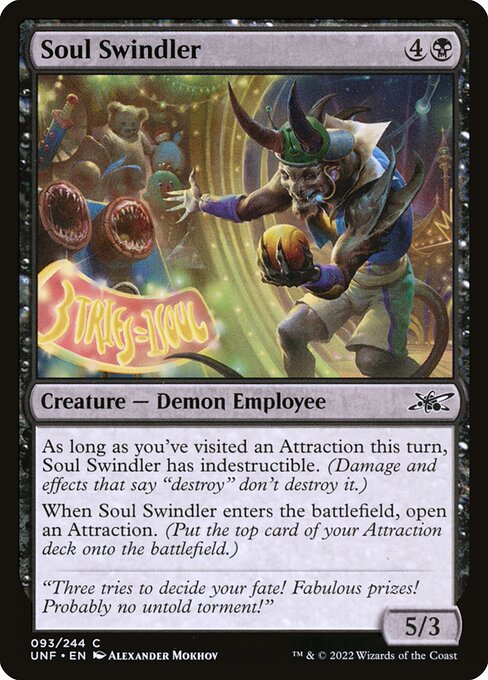
Every card that brings stickers or an Attraction into the game (from Unfinity) is banned - those mechanics are not suited to the format.
Announcement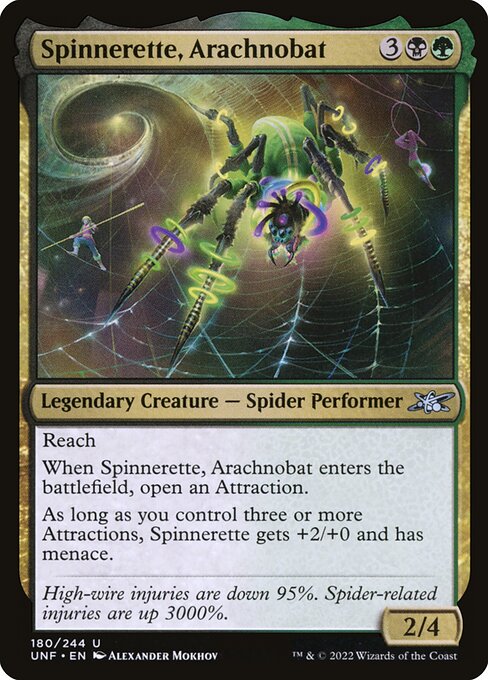
Every card that brings stickers or an Attraction into the game (from Unfinity) is banned - those mechanics are not suited to the format.
Announcement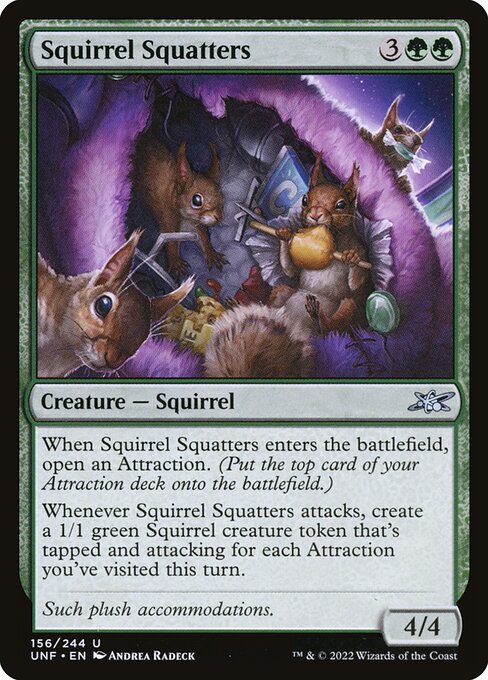
Every card that brings stickers or an Attraction into the game (from Unfinity) is banned - those mechanics are not suited to the format.
Announcement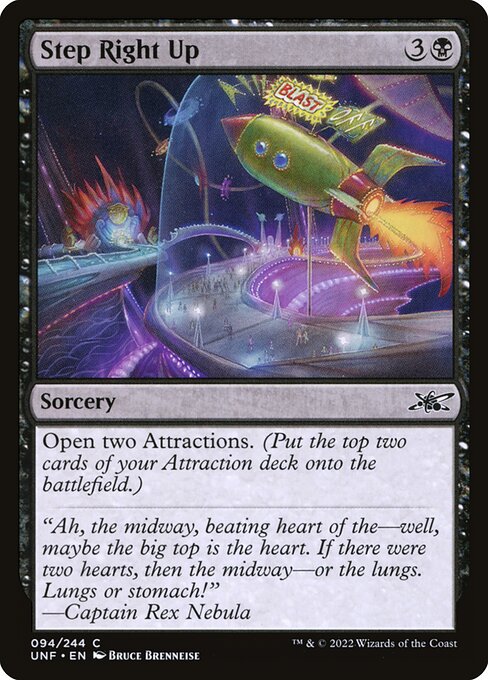
Every card that brings stickers or an Attraction into the game (from Unfinity) is banned - those mechanics are not suited to the format.
Announcement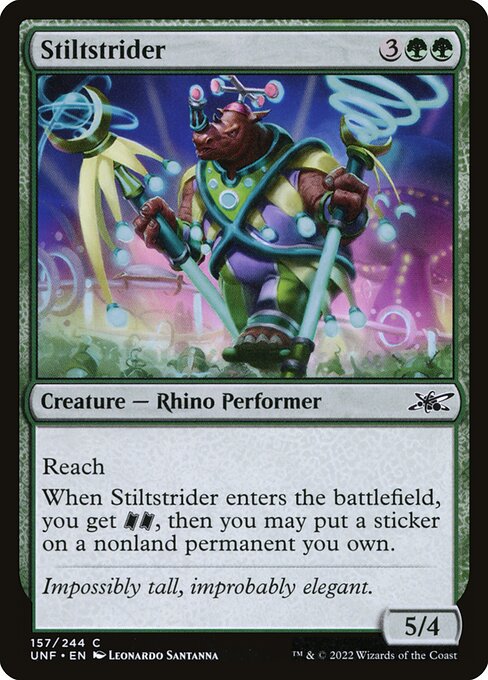
Every card that brings stickers or an Attraction into the game (from Unfinity) is banned - those mechanics are not suited to the format.
Announcement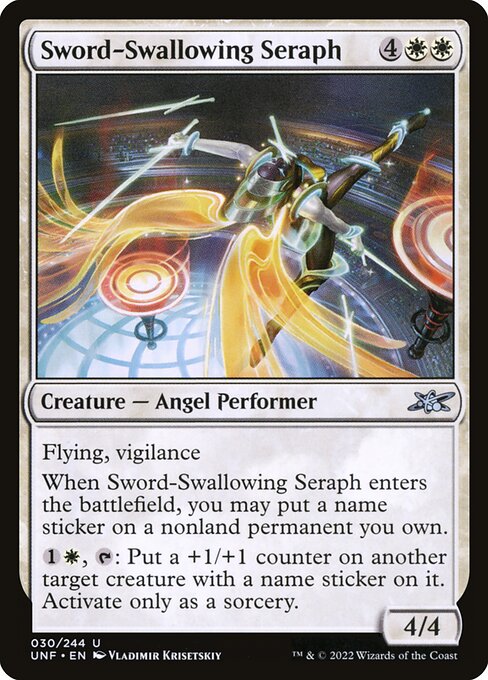
Every card that brings stickers or an Attraction into the game (from Unfinity) is banned - those mechanics are not suited to the format.
Announcement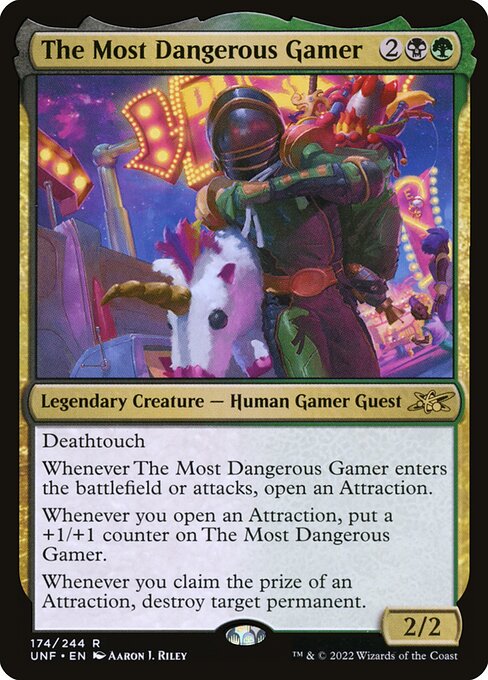
Every card that brings stickers or an Attraction into the game (from Unfinity) is banned - those mechanics are not suited to the format.
Announcement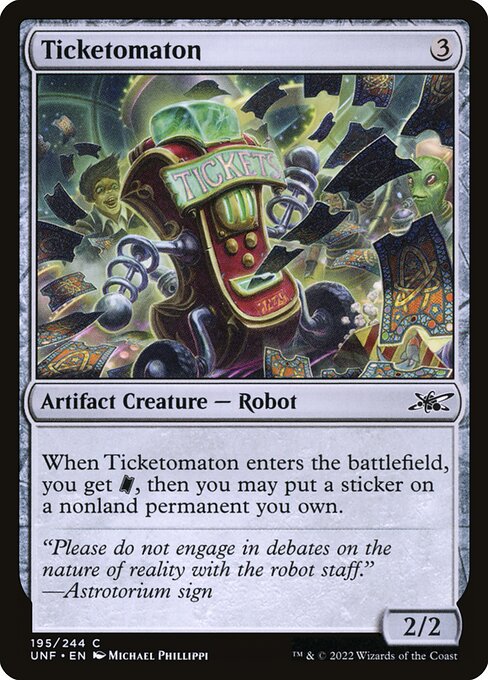
Every card that brings stickers or an Attraction into the game (from Unfinity) is banned - those mechanics are not suited to the format.
Announcement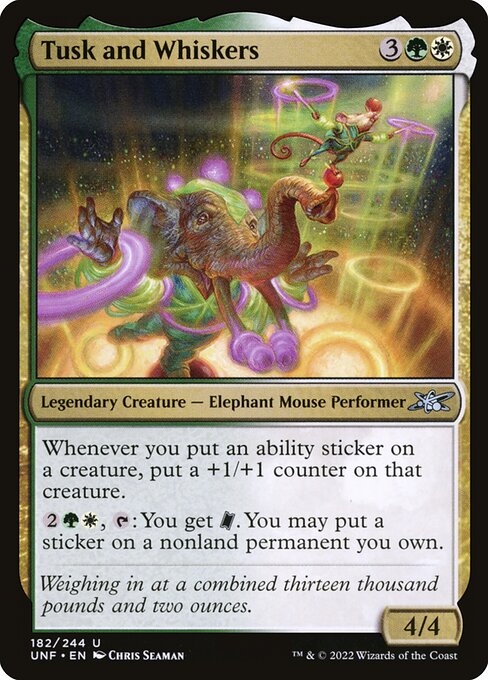
Every card that brings stickers or an Attraction into the game (from Unfinity) is banned - those mechanics are not suited to the format.
Announcement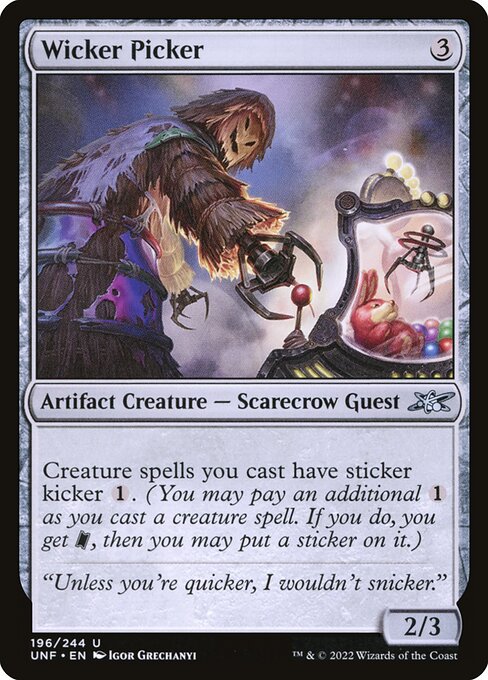
Every card that brings stickers or an Attraction into the game (from Unfinity) is banned - those mechanics are not suited to the format.
Announcement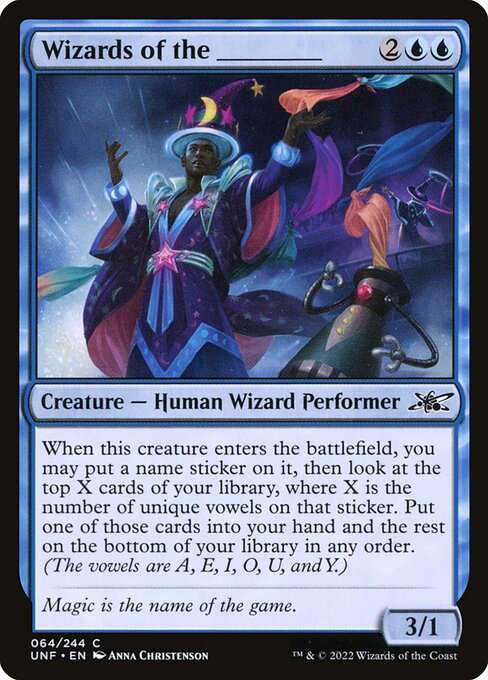
Every card that brings stickers or an Attraction into the game (from Unfinity) is banned - those mechanics are not suited to the format.
Announcement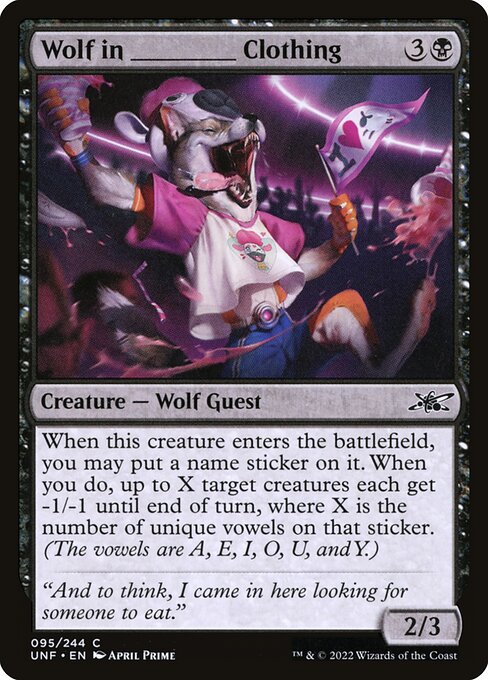
Every card that brings stickers or an Attraction into the game (from Unfinity) is banned - those mechanics are not suited to the format.
Announcement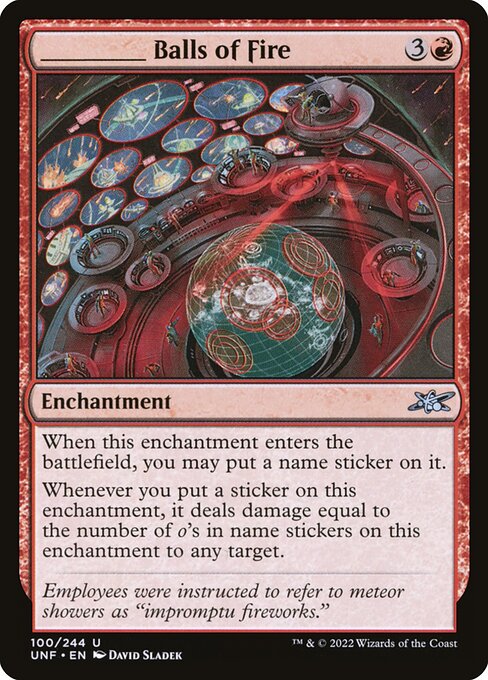
Every card that brings stickers or an Attraction into the game (from Unfinity) is banned - those mechanics are not suited to the format.
Announcement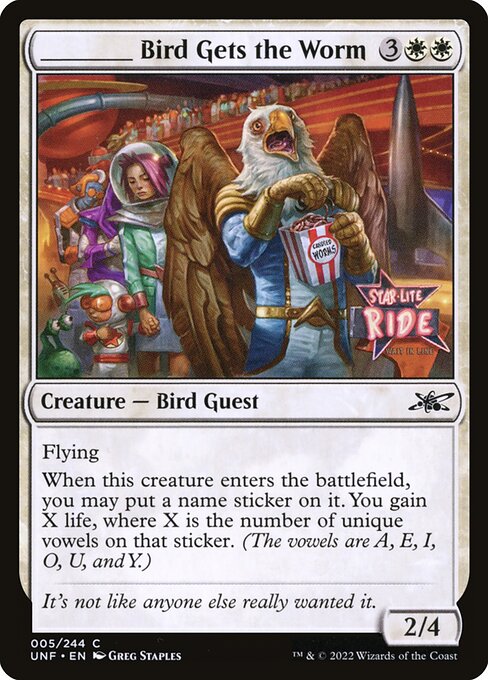
Every card that brings stickers or an Attraction into the game (from Unfinity) is banned - those mechanics are not suited to the format.
Announcement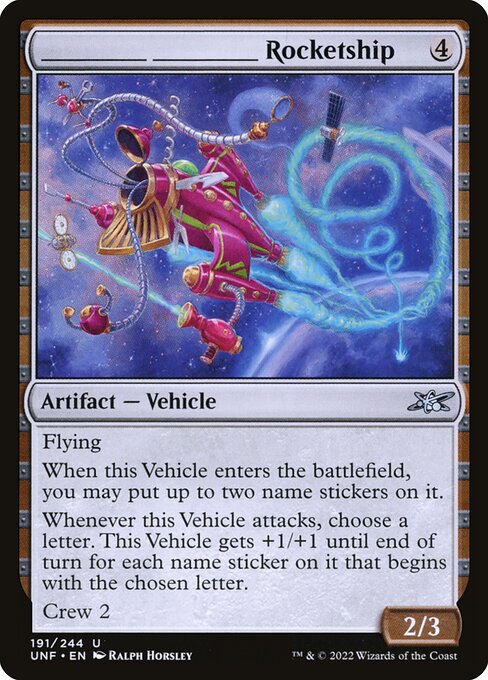
Every card that brings stickers or an Attraction into the game (from Unfinity) is banned - those mechanics are not suited to the format.
Announcement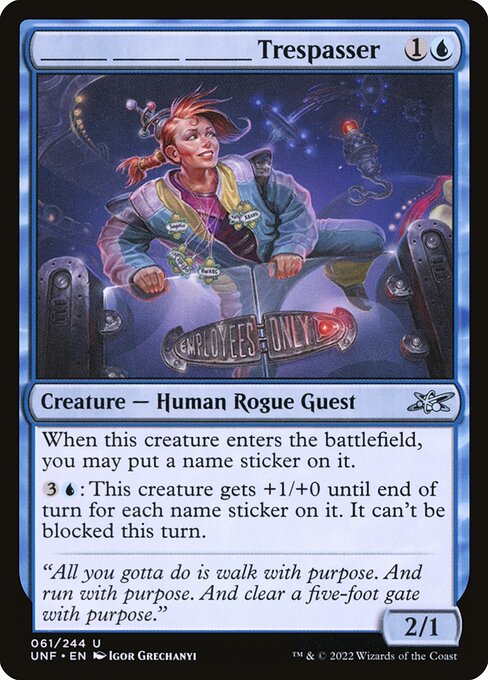
Every card that brings stickers or an Attraction into the game (from Unfinity) is banned - those mechanics are not suited to the format.
Announcement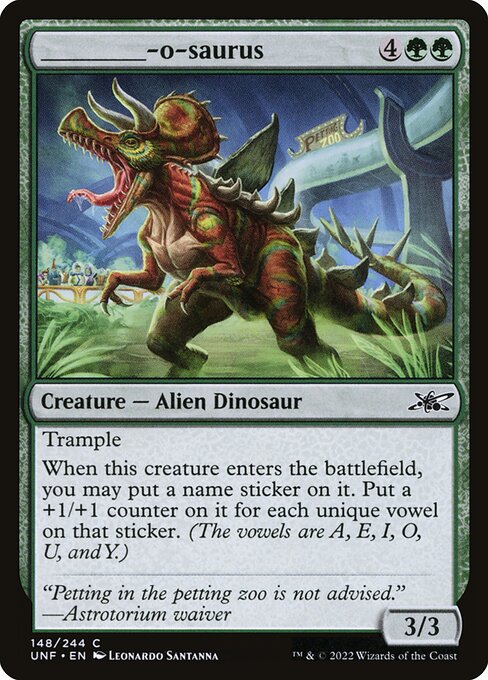
Every card that brings stickers or an Attraction into the game (from Unfinity) is banned - those mechanics are not suited to the format.
AnnouncementEvery card that brings stickers or an Attraction into the game (from Unfinity) is banned - those mechanics are not suited to the format.
Announcement