Every card currently banned or restricted in Pioneer, from the official Wizards Banned & Restricted list (as of August 10, 2026). Click a card to flip it and see when it was banned and why. Restricted means a deck may run at most one copy across maindeck and sideboard.
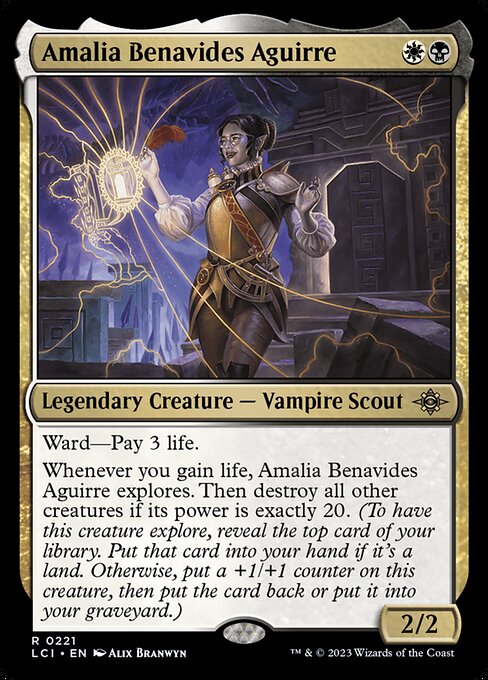
Banned to break up the Amalia explore combo deck, which the announcement said had too many problems - games normally ended with a twenty-power Amalia, and players found ways to give Wildgrowth Walker indestructible, forcing games to end in a draw.
Announcement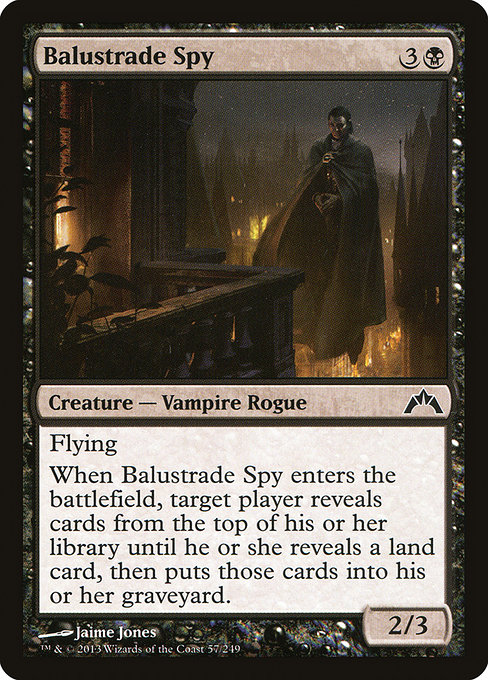
One of the two enablers of the Oops All Spells deck, which mills its own entire library to win. The announcement called the strategy difficult to interact with and not easily held in check by natural metagame forces.
Announcement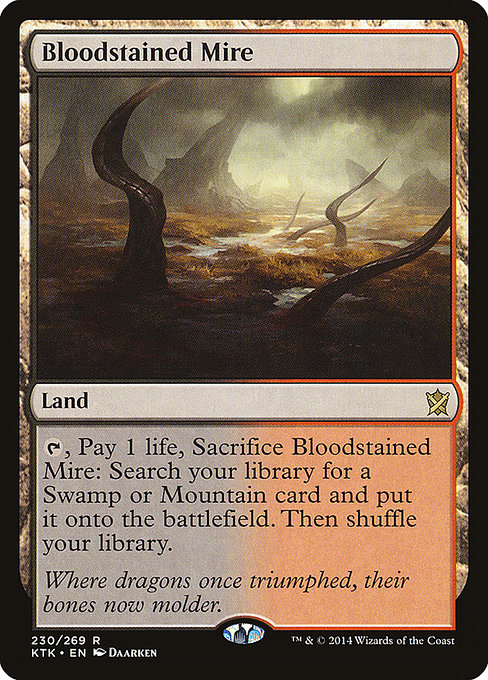
Banned at Pioneer's creation as one of the five Khans of Tarkir fetch lands - Wizards said fetch land plus shock land mana bases make playing three or four colors too easy, homogenizing decks, and that more constraints on mana bases add diversity to the format.
Announcement
Called the clear power-level and play-pattern outlier among the tools of Pioneer's dominant Izzet spells decks - it delivered consistent turn-over-turn threats that insulated the deck against targeted interaction, and removing it aimed to restore counterplay while keeping Izzet viable.
Announcement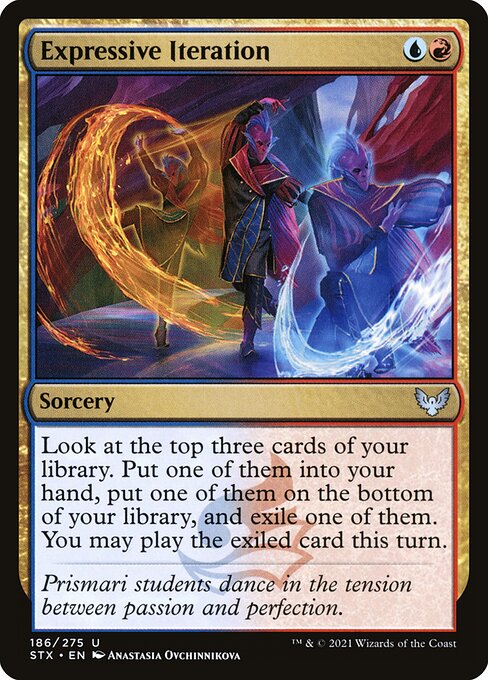
Provided card selection and card advantage at a much higher rate than available to other decks, fueling a variety of highly successful Izzet strategies that were extremely difficult to fight in wars of attrition. It was banned to bring Izzet decks back in line.
Announcement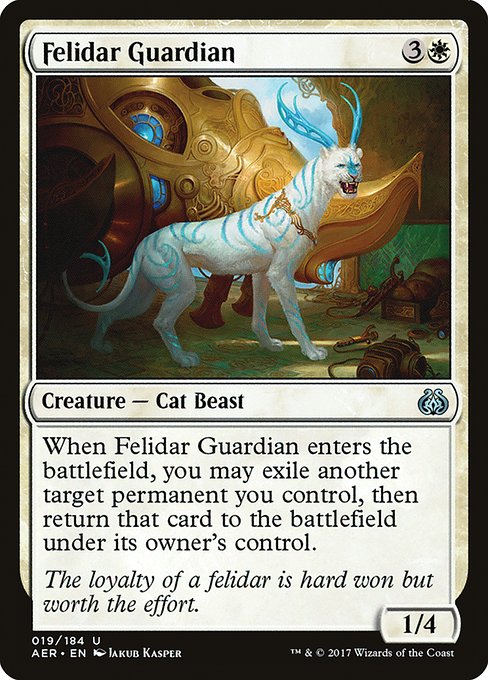
Its infinite combo with Saheeli Rai was the core of Four-Color Copy Cat, one of two decks head and shoulders above the field, and threatened metagame diversity by requiring decks to present specific early interaction or immediately lose the game.
Announcement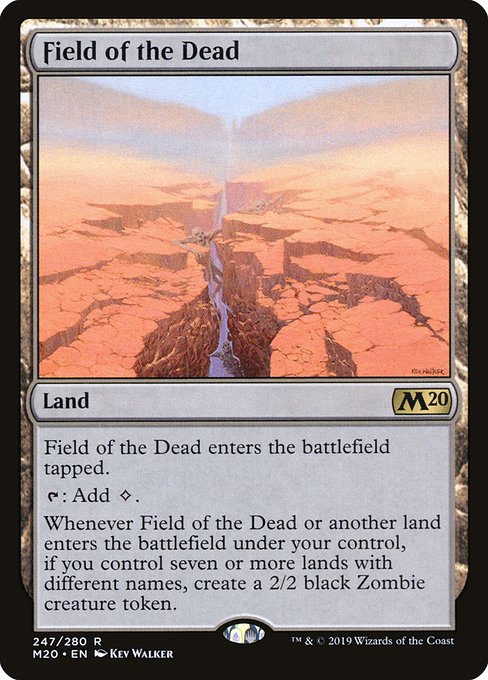
Banned because Field of the Dead ramp decks were suppressing controlling and reactive decks, one of three outstanding issues Magic Online PTQ and league data showed was preventing the metagame from reaching a better balance.
Announcement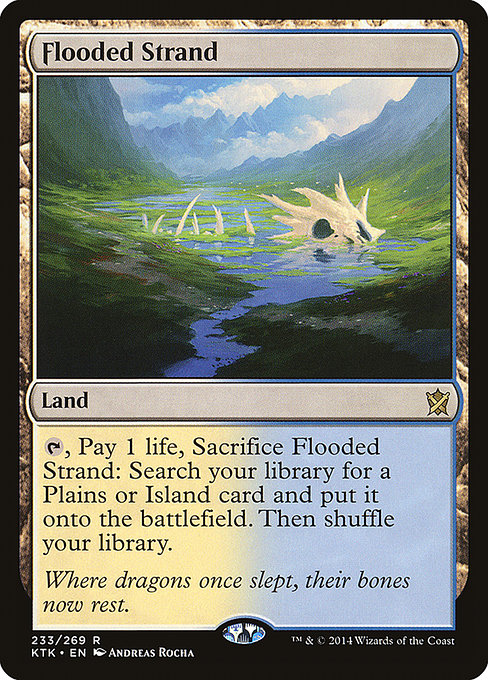
Banned at Pioneer's creation as one of the five Khans of Tarkir fetch lands - Wizards said fetch land plus shock land mana bases make playing three or four colors too easy, homogenizing decks, and that more constraints on mana bases add diversity to the format.
Announcement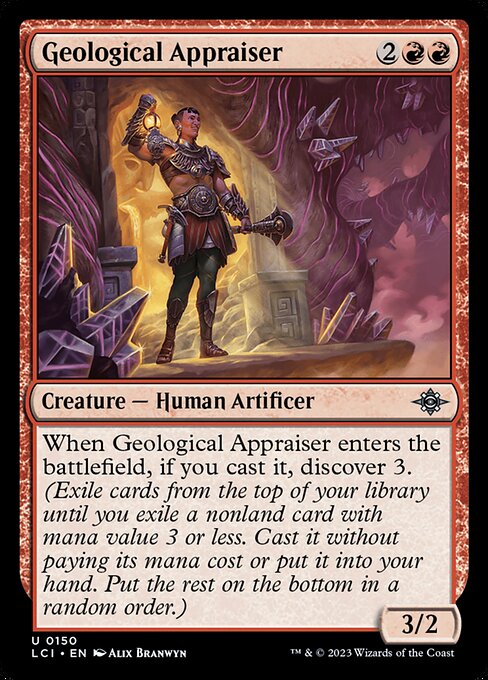
Its discover trigger enabled combo decks that could win on the spot on turn three after making a single Treasure token, putting too much pressure on opponents to interact or lose - a pattern at odds with the format's vision of diverse macro-strategies.
Announcement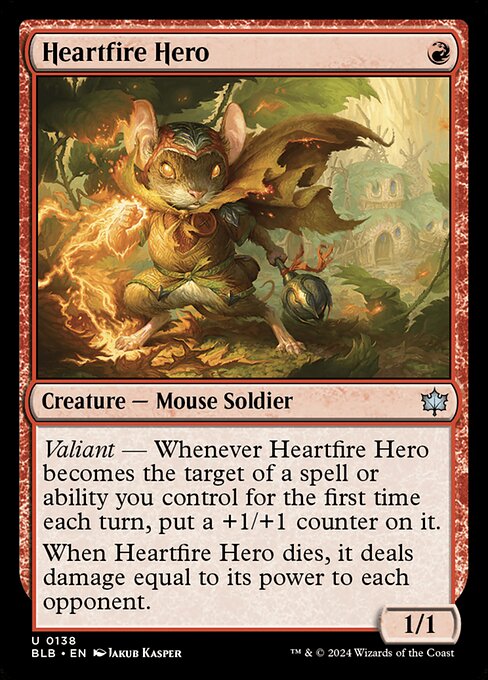
Banned to weaken Mono-Red Aggro, the format's strongest archetype by a substantial margin, specifically targeting the pressure it created to have interaction on the first turn or risk dying on turn three.
Announcement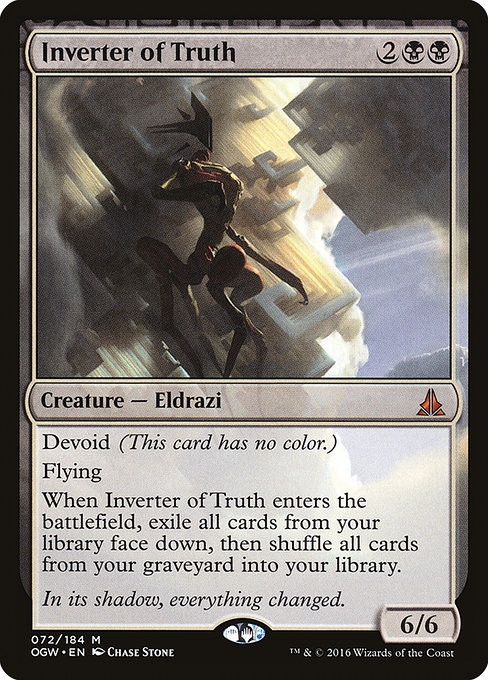
Namesake of the Dimir Inverter combo deck, banned as part of a sweep intended to dramatically reduce instances where players risk losing to a combo kill when tapping out in the early to mid game; the announcement noted Inverter decks could still win with Jace, Wielder of Mysteries alone.
Announcement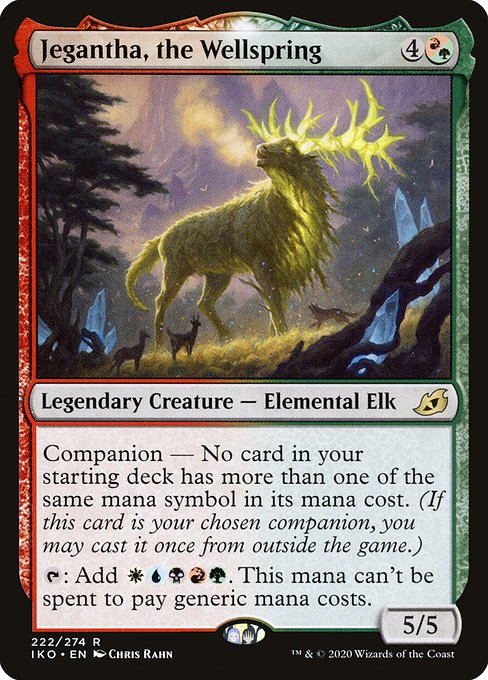
Its near-universal inclusion as a companion in decks that could run it was hurting format diversity by reducing the pool of viable cards - it was hard to justify a personal favorite or metagame call if it meant giving up Jegantha, homogenizing deckbuilding.
Announcement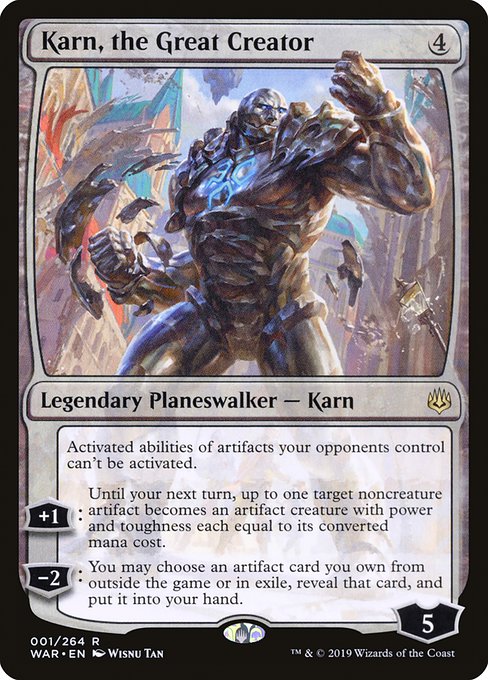
A metagame warper at the heart of Mono-Green Devotion (Nykthos) - it facilitated convoluted infinite combos while suppressing artifact strategies, and the deck's consistency and strength forced opponents to go under it or ignore it with their own combo, crowding out fair midrange decks.
Announcement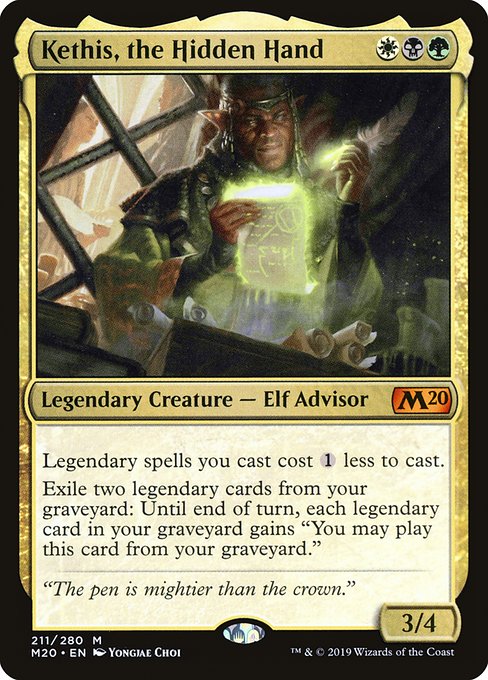
The Kethis combo deck had reemerged and was showing signs of becoming problematic, already ranking among the top 5-0 trophy winners in Magic Online Pioneer leagues; banned in the same sweep aimed at reducing early to mid game combo kills.
Announcement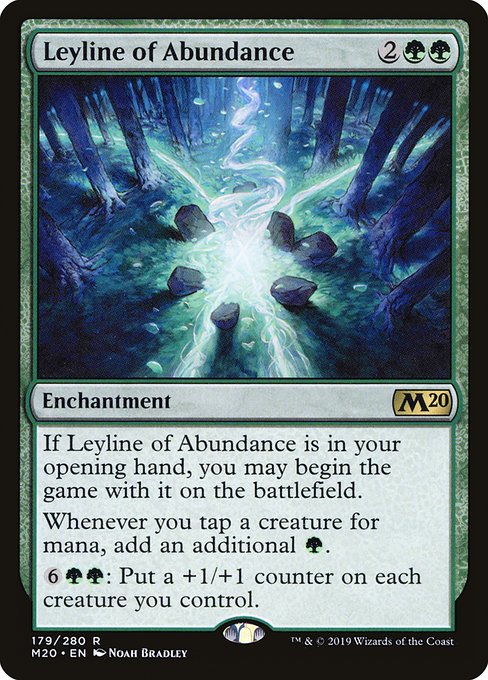
Enabled Mono-Green Devotion Ramp's fastest and most powerful opening turns, both through explosive ramp starts and by providing two green devotion at no mana cost to power up Nykthos, Shrine to Nyx, in one of the two decks head and shoulders above the field.
Announcement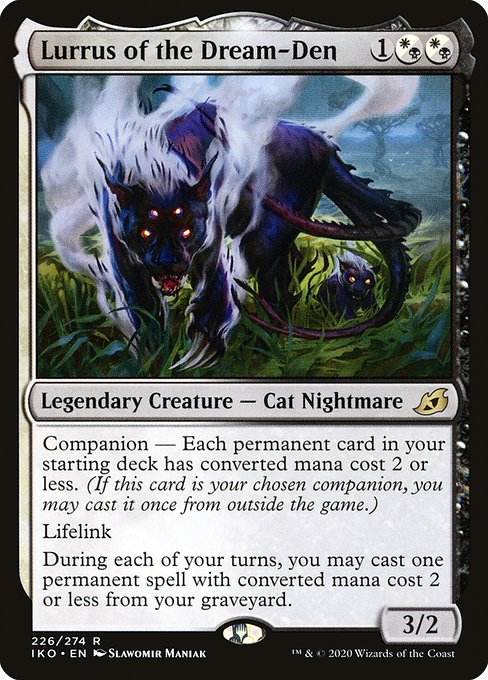
A proactive ban - as Pioneer's card pool expands, the incentive to pick only the most efficient cheap cards from each release grows, and Wizards said Lurrus would only accelerate that homogenization, as had already occurred in Modern.
Announcement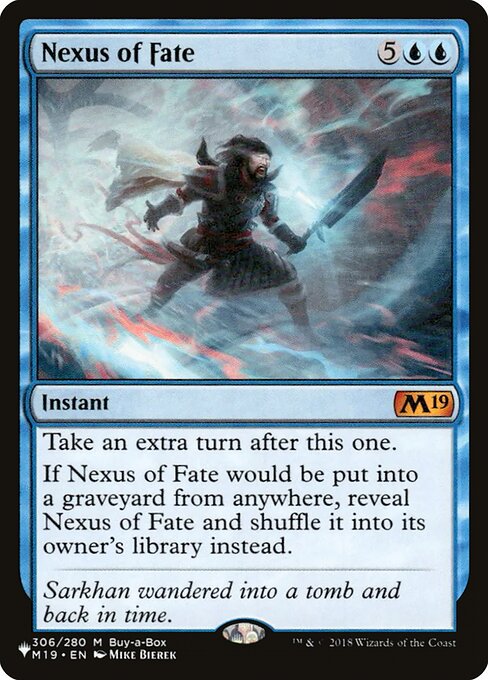
Simic Nexus was among the format's strongest decks, and banning Oko would have removed one of its only unfavorable matchups. The potential for Nexus of Fate decks to create frustrating play patterns and long matches was a contributing factor.
Announcement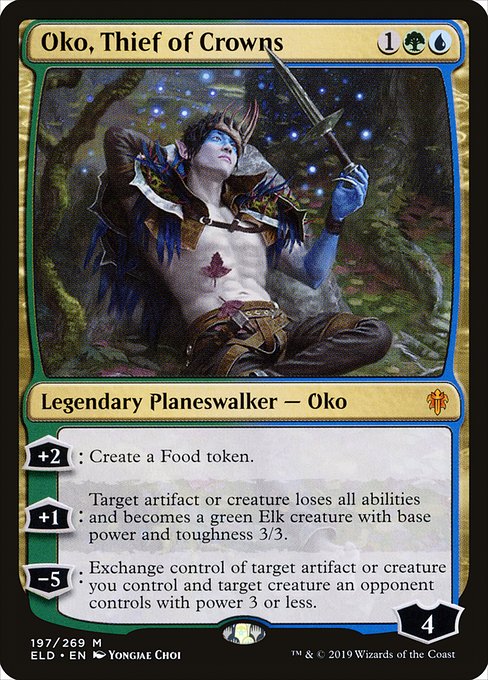
Simic Food Ramp was clearly the format's best-performing deck, and Oko stood out as a powerful, hard-to-answer threat that shores up the natural weaknesses of ramp decks while also appearing in several other of the format's strongest decks.
Announcement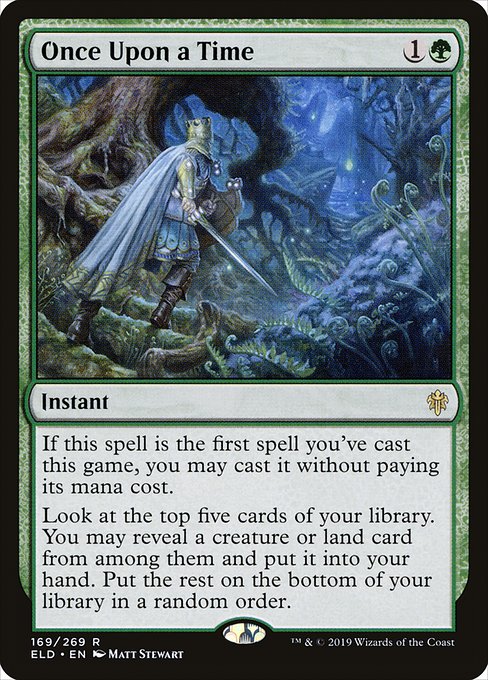
Identified as a key common factor in the general prevalence and dominance of green decks as a group; banned to push toward better color balance among competitive decks.
Announcement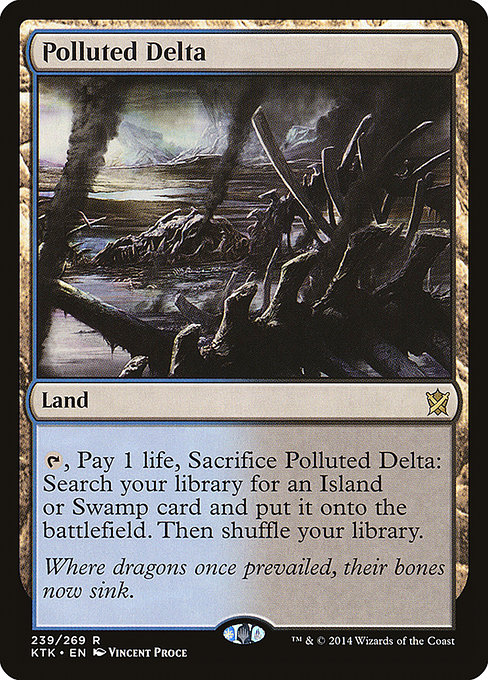
Banned at Pioneer's creation as one of the five Khans of Tarkir fetch lands - Wizards said fetch land plus shock land mana bases make playing three or four colors too easy, homogenizing decks, and that more constraints on mana bases add diversity to the format.
Announcement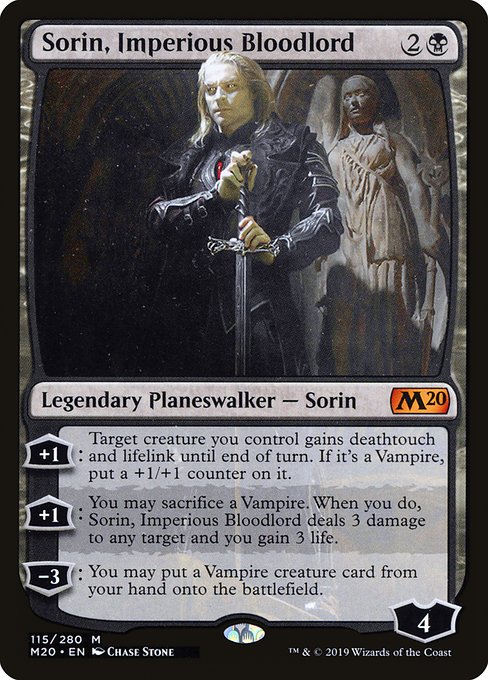
Banned to weaken the Rakdos Vampires deck, whose marquee play of a turn-three Sorin, Imperious Bloodlord putting Vein Ripper into play was so potent that many decks struggled to interact with it at all.
Announcement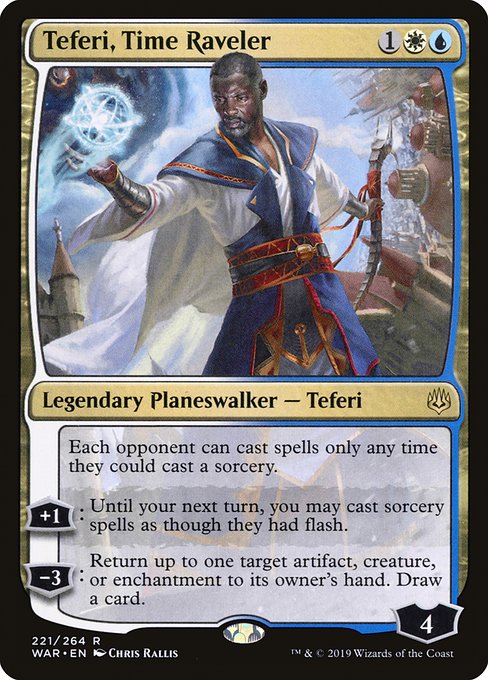
Banned to reduce the strength of Niv to Light, among the format's most successful archetypes; the announcement noted the planeswalker had previously overstayed its welcome in Standard.
Announcement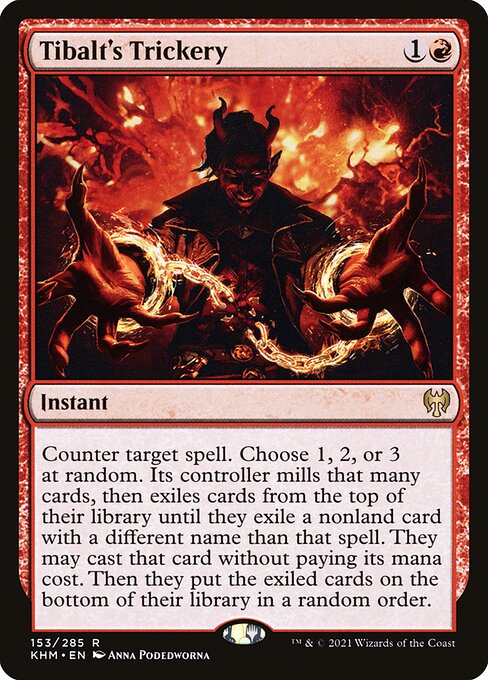
Banned only in MTG Arena Best-of-One Pioneer - the deck aggressively mulligans, counters its own spell to cheat out a huge threat, and two-thirds of its games ended by turn three in one-sided games with little interaction; Wizards called it a uniquely Best-of-One problem since Best-of-Three players have sideboard answers.
Announcement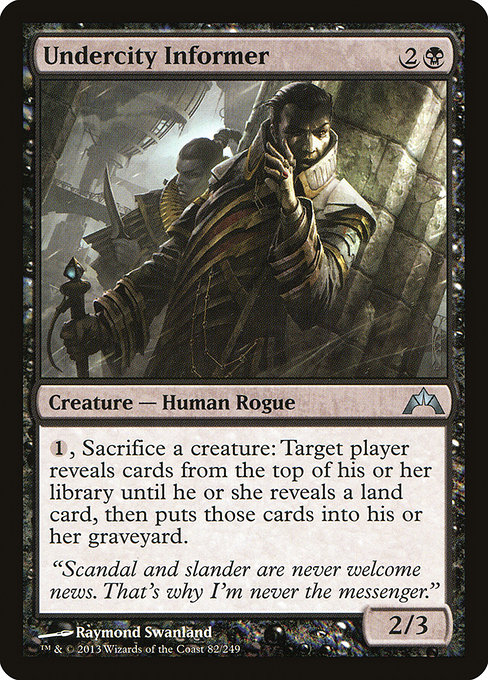
One of the two enablers of the Oops All Spells deck, which mills its own entire library to win. The announcement called the strategy difficult to interact with and not easily held in check by natural metagame forces.
Announcement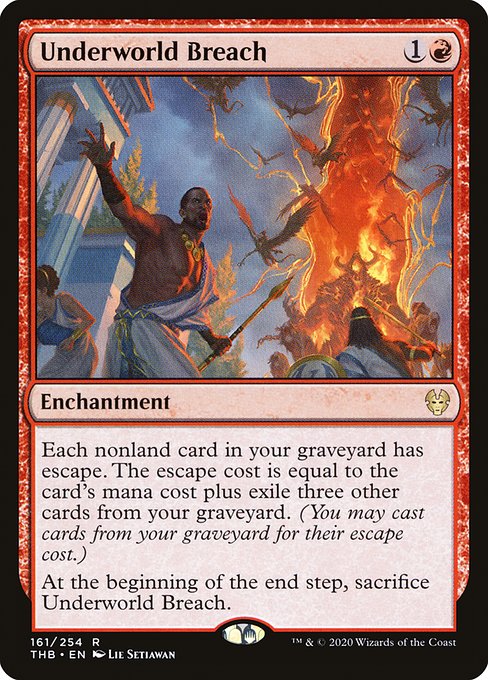
Underworld Breach combo decks could win in many ways once the core engine got running, sometimes forgoing Thassa's Oracle entirely; banned in the sweep aimed at reducing early to mid game combo kills when players tap out.
Announcement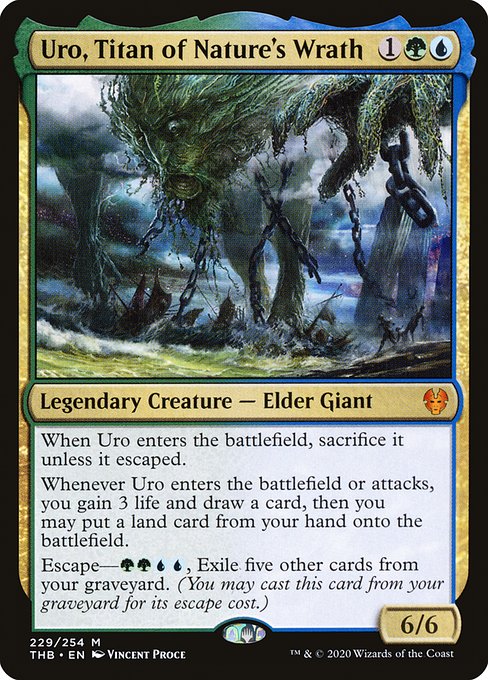
Had become one of the most dominant creatures in Pioneer, featured in several of the most-played and top-winning decks, with a power level Wizards judged out of line with other cards and strategies.
Announcement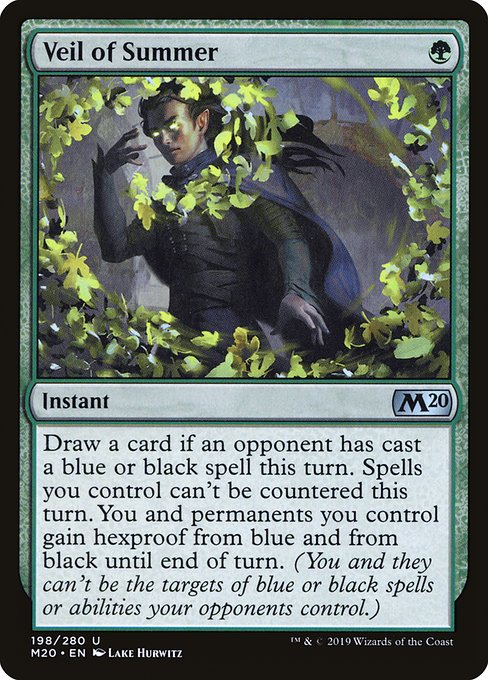
After the first round of bans, green-based aggro and ramp decks remained overrepresented at the expense of midrange and control, so Veil of Summer was banned to better allow natural metagame forces to provide counterpressure and increase the incentive to play reactive strategies.
Announcement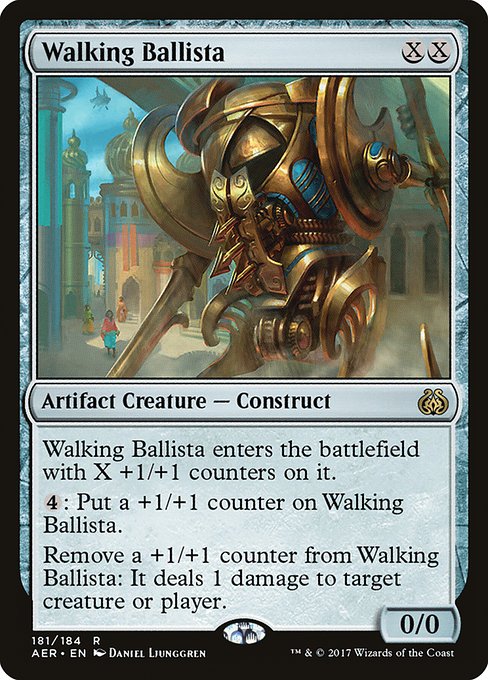
Banned to break up the Heliod, Sun-Crowned plus Walking Ballista combo, part of the sweep aimed at dramatically reducing instances where players risk losing to a combo kill when tapping out in the early to mid game.
Announcement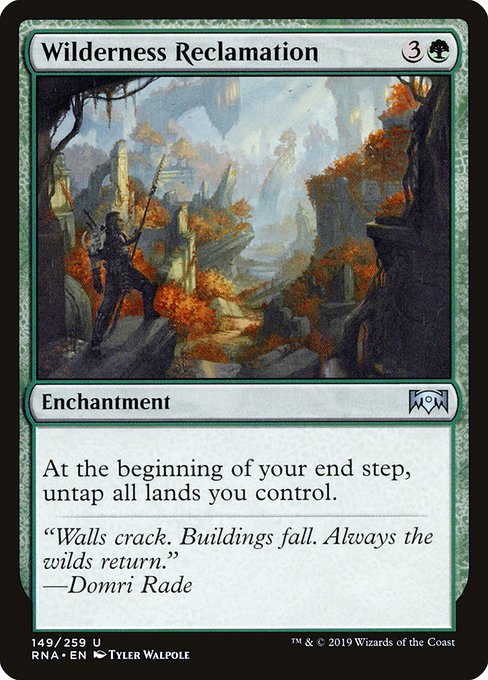
A preemptive ban - with Teferi, Time Raveler removed, the card that had been holding Wilderness Reclamation decks in check was gone, so it was banned to prevent those decks from taking over.
Announcement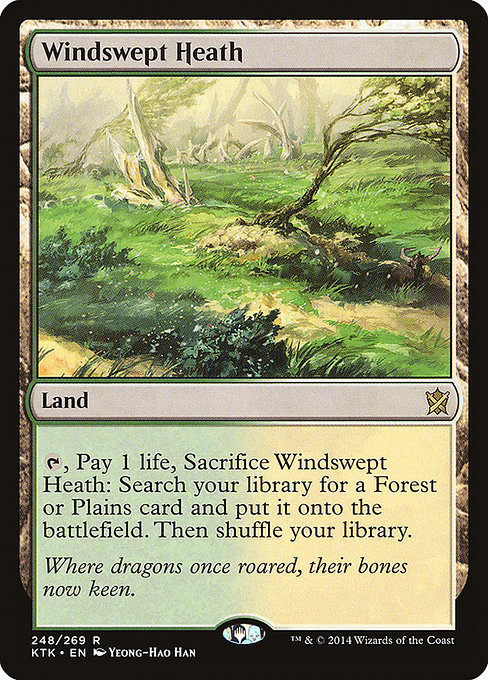
Banned at Pioneer's creation as one of the five Khans of Tarkir fetch lands - Wizards said fetch land plus shock land mana bases make playing three or four colors too easy, homogenizing decks, and that more constraints on mana bases add diversity to the format.
Announcement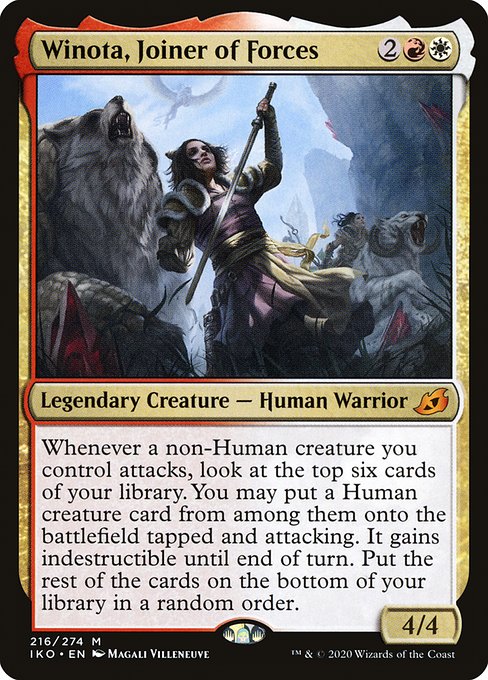
Naya Winota's power and consistency were suppressing diversity - a resilient midrange deck that could produce unassailable battlefield states as quickly as turn three, paired with frustrating gameplay patterns.
Announcement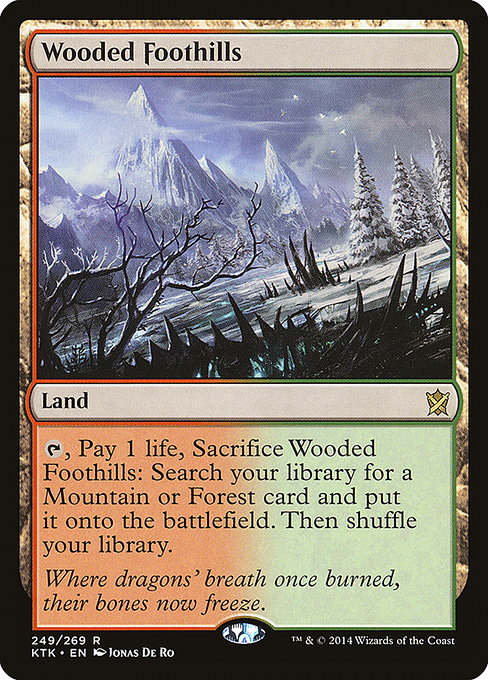
Banned at Pioneer's creation as one of the five Khans of Tarkir fetch lands - Wizards said fetch land plus shock land mana bases make playing three or four colors too easy, homogenizing decks, and that more constraints on mana bases add diversity to the format.
AnnouncementMay 18, 2026 · 1
Called the clear power-level and play-pattern outlier among the tools of Pioneer's dominant Izzet spells decks - it delivered consistent turn-over-turn threats that insulated the deck against targeted interaction, and removing it aimed to restore counterplay while keeping Izzet viable.
AnnouncementNovember 10, 2025 · 1
Banned to weaken Mono-Red Aggro, the format's strongest archetype by a substantial margin, specifically targeting the pressure it created to have interaction on the first turn or risk dying on turn three.
AnnouncementJune 30, 2025 · 1
Banned only in MTG Arena Best-of-One Pioneer - the deck aggressively mulligans, counters its own spell to cheat out a huge threat, and two-thirds of its games ended by turn three in one-sided games with little interaction; Wizards called it a uniquely Best-of-One problem since Best-of-Three players have sideboard answers.
AnnouncementDecember 16, 2024 · 1
Its near-universal inclusion as a companion in decks that could run it was hurting format diversity by reducing the pool of viable cards - it was hard to justify a personal favorite or metagame call if it meant giving up Jegantha, homogenizing deckbuilding.
AnnouncementAugust 26, 2024 · 2
Banned to break up the Amalia explore combo deck, which the announcement said had too many problems - games normally ended with a twenty-power Amalia, and players found ways to give Wildgrowth Walker indestructible, forcing games to end in a draw.
AnnouncementBanned to weaken the Rakdos Vampires deck, whose marquee play of a turn-three Sorin, Imperious Bloodlord putting Vein Ripper into play was so potent that many decks struggled to interact with it at all.
AnnouncementDecember 4, 2023 · 2
Its discover trigger enabled combo decks that could win on the spot on turn three after making a single Treasure token, putting too much pressure on opponents to interact or lose - a pattern at odds with the format's vision of diverse macro-strategies.
AnnouncementA metagame warper at the heart of Mono-Green Devotion (Nykthos) - it facilitated convoluted infinite combos while suppressing artifact strategies, and the deck's consistency and strength forced opponents to go under it or ignore it with their own combo, crowding out fair midrange decks.
AnnouncementJune 7, 2022 · 2
Provided card selection and card advantage at a much higher rate than available to other decks, fueling a variety of highly successful Izzet strategies that were extremely difficult to fight in wars of attrition. It was banned to bring Izzet decks back in line.
AnnouncementNaya Winota's power and consistency were suppressing diversity - a resilient midrange deck that could produce unassailable battlefield states as quickly as turn three, paired with frustrating gameplay patterns.
AnnouncementMarch 7, 2022 · 1
A proactive ban - as Pioneer's card pool expands, the incentive to pick only the most efficient cheap cards from each release grows, and Wizards said Lurrus would only accelerate that homogenization, as had already occurred in Modern.
AnnouncementFebruary 15, 2021 · 5
One of the two enablers of the Oops All Spells deck, which mills its own entire library to win. The announcement called the strategy difficult to interact with and not easily held in check by natural metagame forces.
AnnouncementBanned to reduce the strength of Niv to Light, among the format's most successful archetypes; the announcement noted the planeswalker had previously overstayed its welcome in Standard.
AnnouncementOne of the two enablers of the Oops All Spells deck, which mills its own entire library to win. The announcement called the strategy difficult to interact with and not easily held in check by natural metagame forces.
AnnouncementHad become one of the most dominant creatures in Pioneer, featured in several of the most-played and top-winning decks, with a power level Wizards judged out of line with other cards and strategies.
AnnouncementA preemptive ban - with Teferi, Time Raveler removed, the card that had been holding Wilderness Reclamation decks in check was gone, so it was banned to prevent those decks from taking over.
AnnouncementAugust 3, 2020 · 4
Namesake of the Dimir Inverter combo deck, banned as part of a sweep intended to dramatically reduce instances where players risk losing to a combo kill when tapping out in the early to mid game; the announcement noted Inverter decks could still win with Jace, Wielder of Mysteries alone.
AnnouncementThe Kethis combo deck had reemerged and was showing signs of becoming problematic, already ranking among the top 5-0 trophy winners in Magic Online Pioneer leagues; banned in the same sweep aimed at reducing early to mid game combo kills.
AnnouncementUnderworld Breach combo decks could win in many ways once the core engine got running, sometimes forgoing Thassa's Oracle entirely; banned in the sweep aimed at reducing early to mid game combo kills when players tap out.
AnnouncementBanned to break up the Heliod, Sun-Crowned plus Walking Ballista combo, part of the sweep aimed at dramatically reducing instances where players risk losing to a combo kill when tapping out in the early to mid game.
AnnouncementDecember 16, 2019 · 2
Simic Nexus was among the format's strongest decks, and banning Oko would have removed one of its only unfavorable matchups. The potential for Nexus of Fate decks to create frustrating play patterns and long matches was a contributing factor.
AnnouncementSimic Food Ramp was clearly the format's best-performing deck, and Oko stood out as a powerful, hard-to-answer threat that shores up the natural weaknesses of ramp decks while also appearing in several other of the format's strongest decks.
AnnouncementDecember 2, 2019 · 2
Banned because Field of the Dead ramp decks were suppressing controlling and reactive decks, one of three outstanding issues Magic Online PTQ and league data showed was preventing the metagame from reaching a better balance.
AnnouncementIdentified as a key common factor in the general prevalence and dominance of green decks as a group; banned to push toward better color balance among competitive decks.
AnnouncementNovember 11, 2019 · 1
After the first round of bans, green-based aggro and ramp decks remained overrepresented at the expense of midrange and control, so Veil of Summer was banned to better allow natural metagame forces to provide counterpressure and increase the incentive to play reactive strategies.
AnnouncementNovember 4, 2019 · 2
Its infinite combo with Saheeli Rai was the core of Four-Color Copy Cat, one of two decks head and shoulders above the field, and threatened metagame diversity by requiring decks to present specific early interaction or immediately lose the game.
AnnouncementEnabled Mono-Green Devotion Ramp's fastest and most powerful opening turns, both through explosive ramp starts and by providing two green devotion at no mana cost to power up Nykthos, Shrine to Nyx, in one of the two decks head and shoulders above the field.
AnnouncementOctober 21, 2019 · 5
Banned at Pioneer's creation as one of the five Khans of Tarkir fetch lands - Wizards said fetch land plus shock land mana bases make playing three or four colors too easy, homogenizing decks, and that more constraints on mana bases add diversity to the format.
AnnouncementBanned at Pioneer's creation as one of the five Khans of Tarkir fetch lands - Wizards said fetch land plus shock land mana bases make playing three or four colors too easy, homogenizing decks, and that more constraints on mana bases add diversity to the format.
AnnouncementBanned at Pioneer's creation as one of the five Khans of Tarkir fetch lands - Wizards said fetch land plus shock land mana bases make playing three or four colors too easy, homogenizing decks, and that more constraints on mana bases add diversity to the format.
AnnouncementBanned at Pioneer's creation as one of the five Khans of Tarkir fetch lands - Wizards said fetch land plus shock land mana bases make playing three or four colors too easy, homogenizing decks, and that more constraints on mana bases add diversity to the format.
AnnouncementBanned at Pioneer's creation as one of the five Khans of Tarkir fetch lands - Wizards said fetch land plus shock land mana bases make playing three or four colors too easy, homogenizing decks, and that more constraints on mana bases add diversity to the format.
Announcement